Cart
Your cart is empty

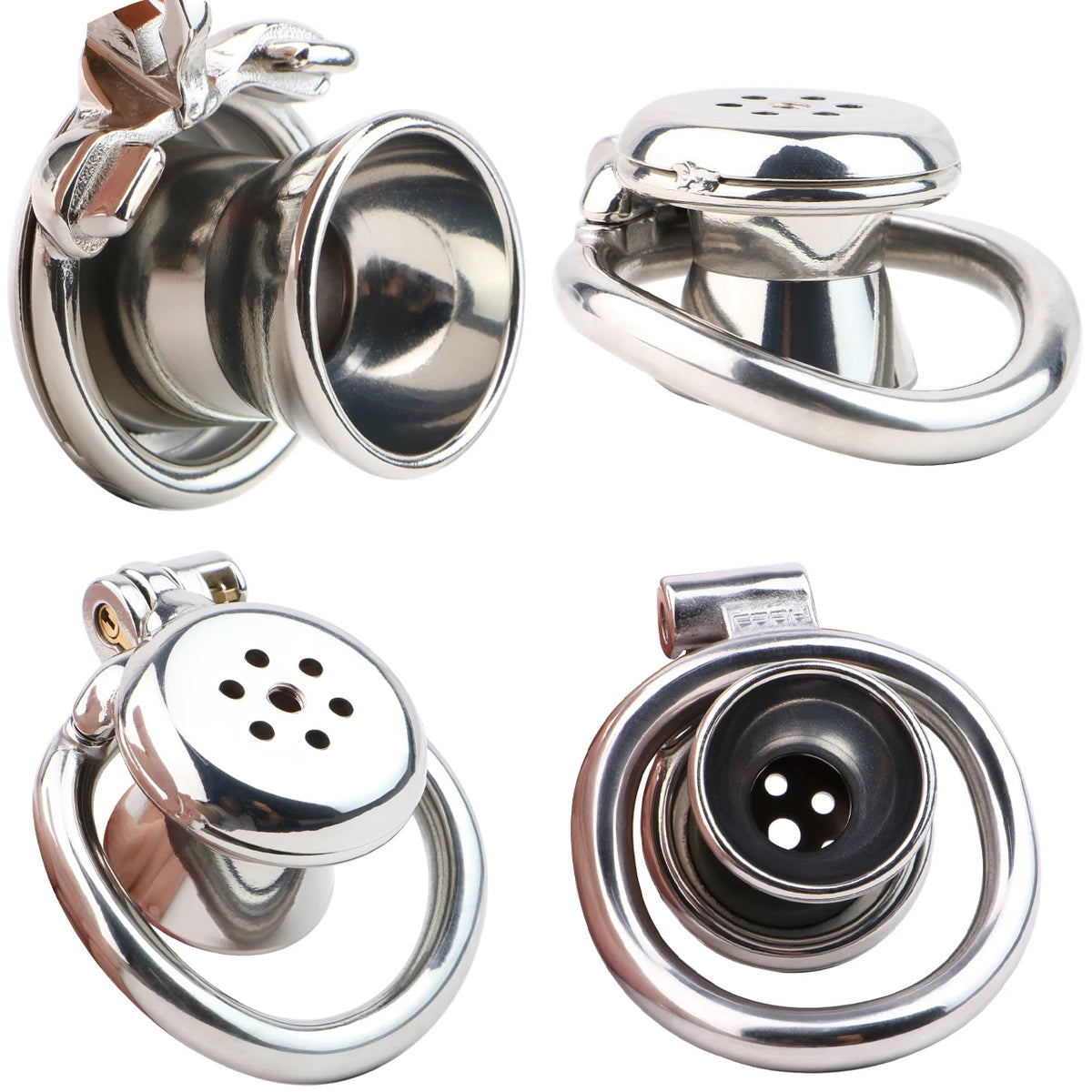
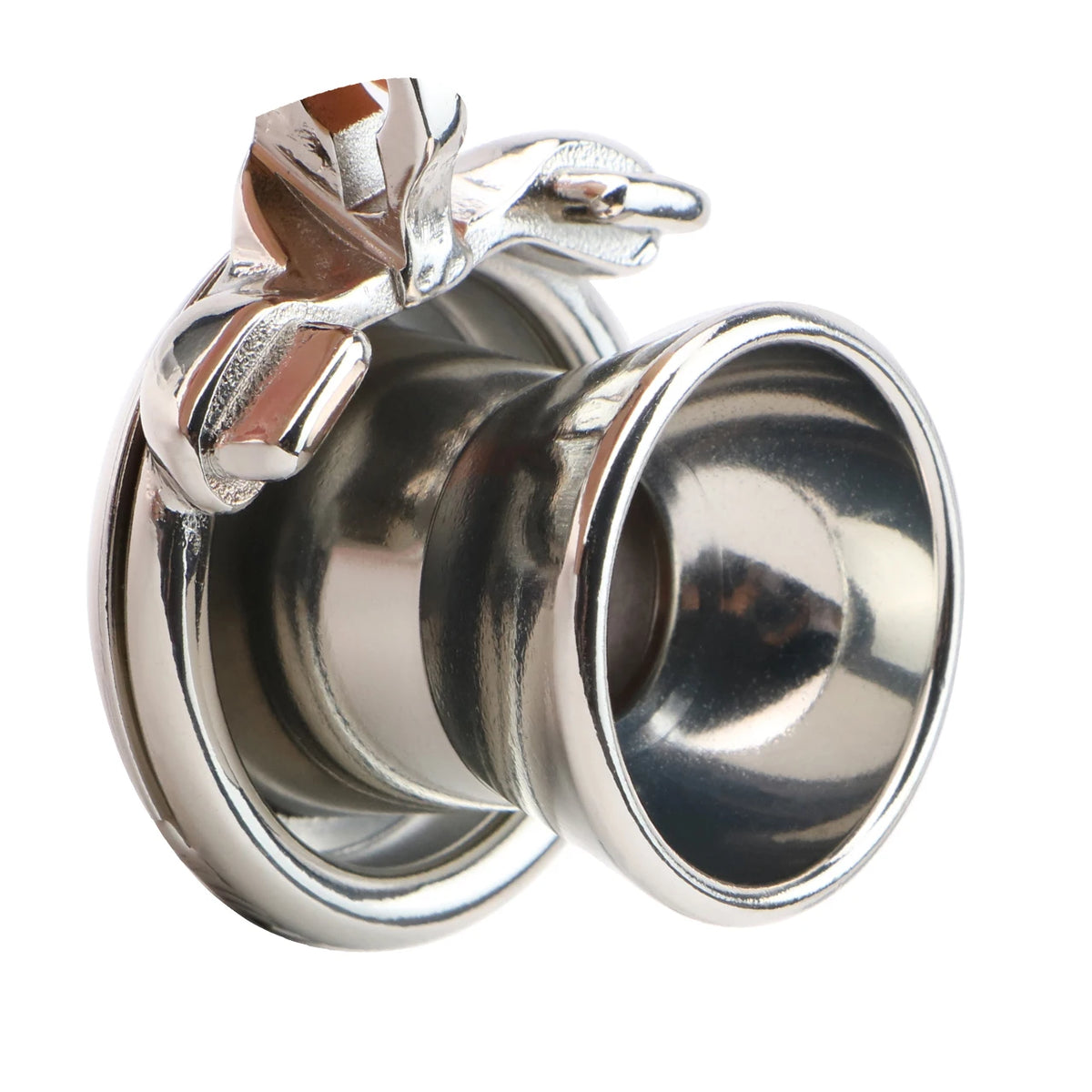
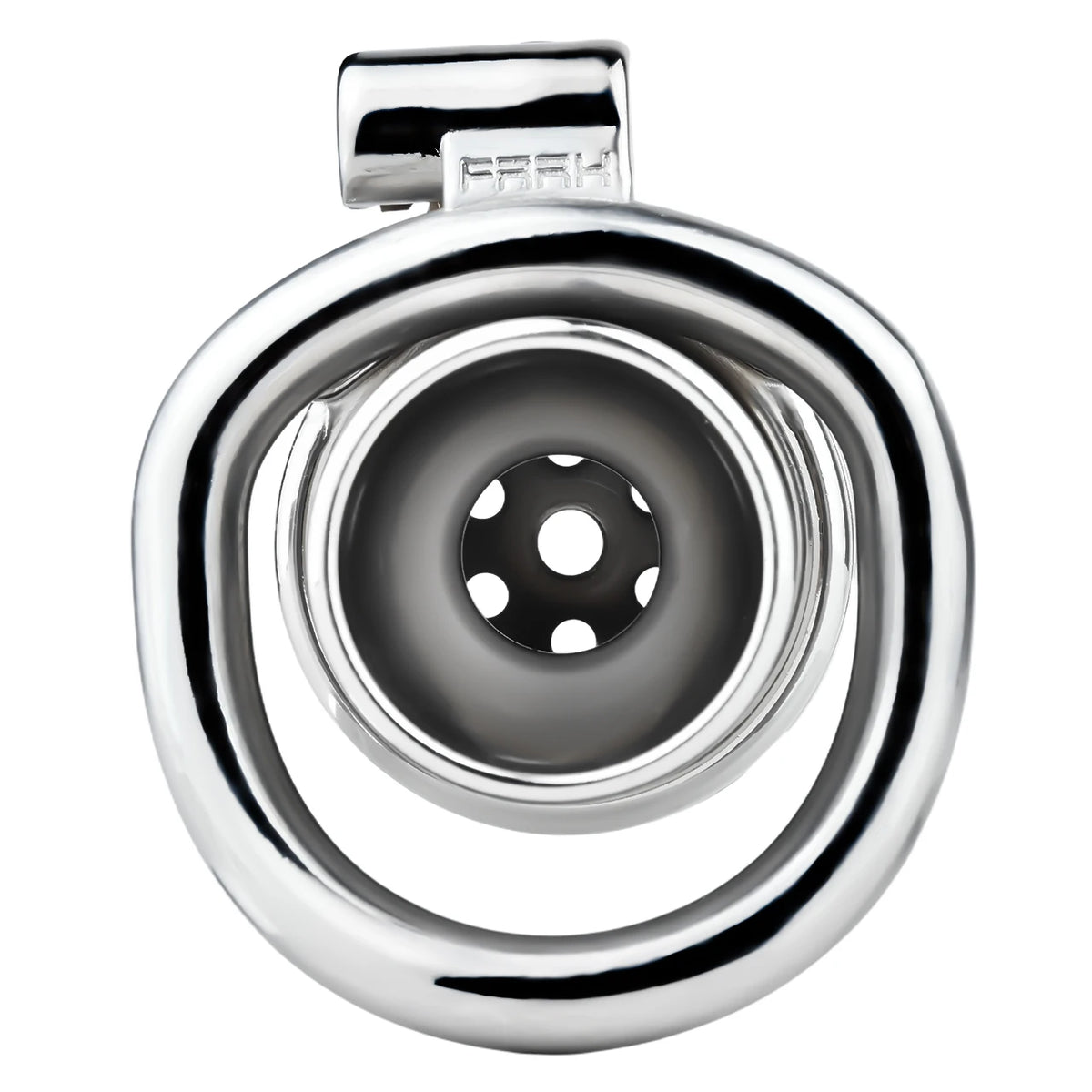
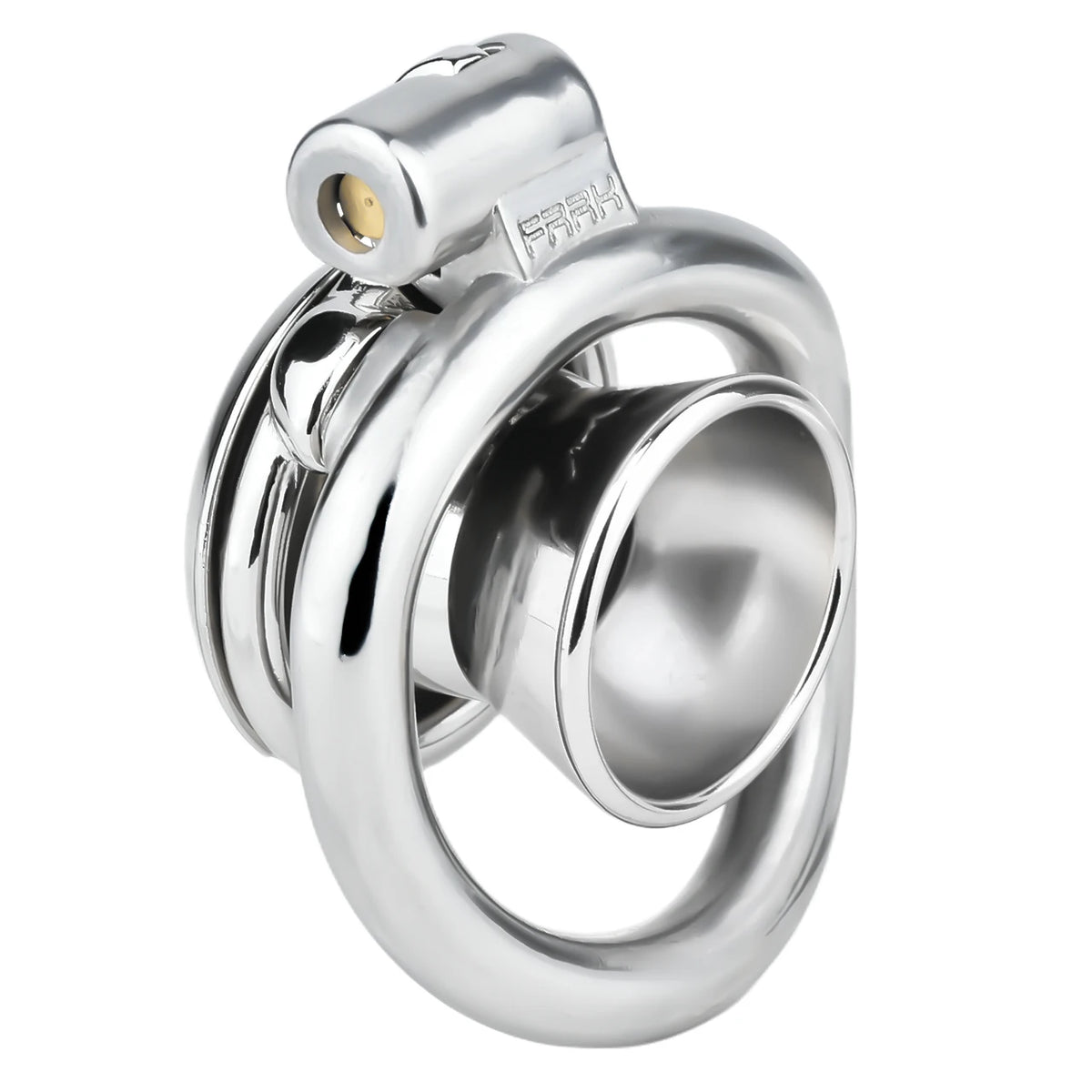
Lubricating a chastity cage ensures comfort and hygiene. Proper lubrication reduces irritation and extends the lifespan of the device. This article explains each step with precision. Follow this guide to maintain your cage effectively.
Lubrication plays a key role. It makes extended wear easier and prevents painful friction. Without maintenance, skin risks redness or infections. A well-lubricated cage also lasts longer.
Constant contact with skin can cause irritation. A suitable sex lube creates a protective barrier. This reduces friction. You feel less discomfort, even after several hours.
Chastity cages are subject to pressure. Moisture and sweat can wear them down. Regular lubrication protects the materials. It prevents rust or degradation, especially for metal models.
Sweat and bacteria accumulate inside a cage. A sex lube makes cleaning easier. It limits odors and the risk of infections. A clean cage ensures healthy wear.
Not all lubricants are suitable. The choice depends on the material of the cage. You must also consider skin safety. Here are the most appropriate options.
Water-based lubricants are versatile. They are suitable for most cages, whether made of silicone, plastic or metal. They apply easily and rinse off effortlessly. Their light texture does not irritate the skin. However, they dry out faster. Reapply as needed.
These lubricants last longer. They are water-resistant, ideal for extended use. They are suitable for metal or plastic cages. Warning: avoid them with silicone cages. They can degrade this material.
Some people prefer oils, such as coconut oil. They moisturize well and reduce friction. But they are difficult to clean off. They can also clog the cage. Use them with caution.
Never use petroleum-based lubricants. They damage materials such as silicone or plastic. They also promote infections. Cosmetic lotions should also be avoided. They often contain irritating fragrances.

Lubricating a cage requires a methodical approach. Follow these steps for an optimal result. Every action counts to ensure comfort and safety.
Start with a thorough cleaning. Remove the cage carefully. Use lukewarm water and a mild soap. Scrub gently to remove sweat and residue. For metal cages, check for the absence of rust. Rinse thoroughly. Dry with a clean towel. For detailed cleaning advice, consult this complete guide on cleaning a chastity cage.
Do not soak metal cages for too long. This can cause corrosion. For silicone models, avoid abrasive sponges. They scratch the surface. Inspect every corner to avoid residue buildup.
Choose a suitable lubricant. Pour a small amount into your clean hands. Spread it over the areas in contact with the skin. Focus on the edges and joints. A thin layer is enough. Too much lubricant attracts dust.
Massage the lubricant with your fingers. Work in small sections. Make sure the entire surface is covered. For cages with removable parts, lubricate each piece separately. This ensures complete protection.
Once lubricated, replace the cage. Make sure it is properly positioned. Adjust it to avoid pinching. Check that the lubricant is not slipping on the skin. If needed, wipe off any excess with a soft cloth.
Walk around for a few minutes. Test the comfort. If you feel any discomfort, readjust. A poorly positioned cage causes irritation. Take your time for a perfect fit.
Lubrication is not a one-time task. Repeat the process every 2 to 3 days. If you wear the cage for a long time, clean it daily. A maintenance routine prevents problems.
Some practices are harmful to the cage and your comfort. Avoid these common mistakes for optimal use.
Excess lubricant attracts dirt. This clogs the cage. Apply only what is needed. A thin layer protects without creating buildup.
Lubricating a dirty cage is ineffective. Bacteria remain trapped. Always clean before applying a lubricant. This ensures perfect hygiene.
Monitor your skin. Redness or itching signals a problem. Stop using the lubricant and consult a doctor if necessary. Every skin reacts differently.
Always test a new lubricant. Apply a small amount to your wrist. Wait 24 hours. If no reaction appears, use it on the cage.

Lubrication alone is not enough for long-term comfort. Adopt these habits to improve your experience.
Well-moisturized skin tolerates the cage better. Use an unscented cream. Apply it after cleaning. This strengthens the skin barrier.
Even with good lubrication, take breaks. Remove the cage every week for a thorough cleaning. This lets your skin breathe.
A poorly fitted cage causes friction. Regularly check the size. If it becomes uncomfortable, consider a different model. A good fit reduces the need for lubricant.
If pain persists, speak to a specialist. A dermatologist can recommend suitable products. A professional fitting also improves comfort.
Lubricate every 2 to 3 days. For intensive wear, clean and lubricate daily. Adjust according to your comfort.
No. Fragrances irritate the skin. Prefer neutral lubricants, water-based or silicone-based.
Stop using the lubricant immediately. Clean the area with lukewarm water. Consult a doctor if symptoms persist.
Not necessarily. Organic lubricants can contain allergens. Test them before use. Choose according to the material of the cage.
Lubricating a chastity cage requires care and method. A good lubricant reduces irritation and protects the device. Always clean before applying. Choose a product suited to the material. Avoid mistakes such as excess lubricant or unsuitable products. With a regular routine, you ensure comfort and hygiene. Follow these tips for pleasant and safe wear.
At Plaisir & Chasteté, we provide you with all our expertise to offer you chastity cages that meet all needs, desires, and fantasies.