Cart
Your cart is empty

Chastity cages are gaining in popularity, whether for domination play, personal control or exploring new sensations. However, one question keeps coming up: how to pee with a chastity cage? This practice raises practical questions like should you pee sitting down or should you remove the cage to urinate. In this article, we explore these issues, as well as related topics such as hygiene, choosing the right cage and everyday adjustments. Get ready for a detailed and precise guide to mastering this essential aspect.
Wearing a chastity cage changes daily habits, particularly when it comes to urinating. These devices trap the penis inside a rigid or semi-rigid structure, limiting natural movement. This makes the act of urinating potentially more complex than usual. Users often wonder whether the cage allows for a controlled urine stream or whether it causes splashing. Understanding these challenges helps you adapt more effectively.
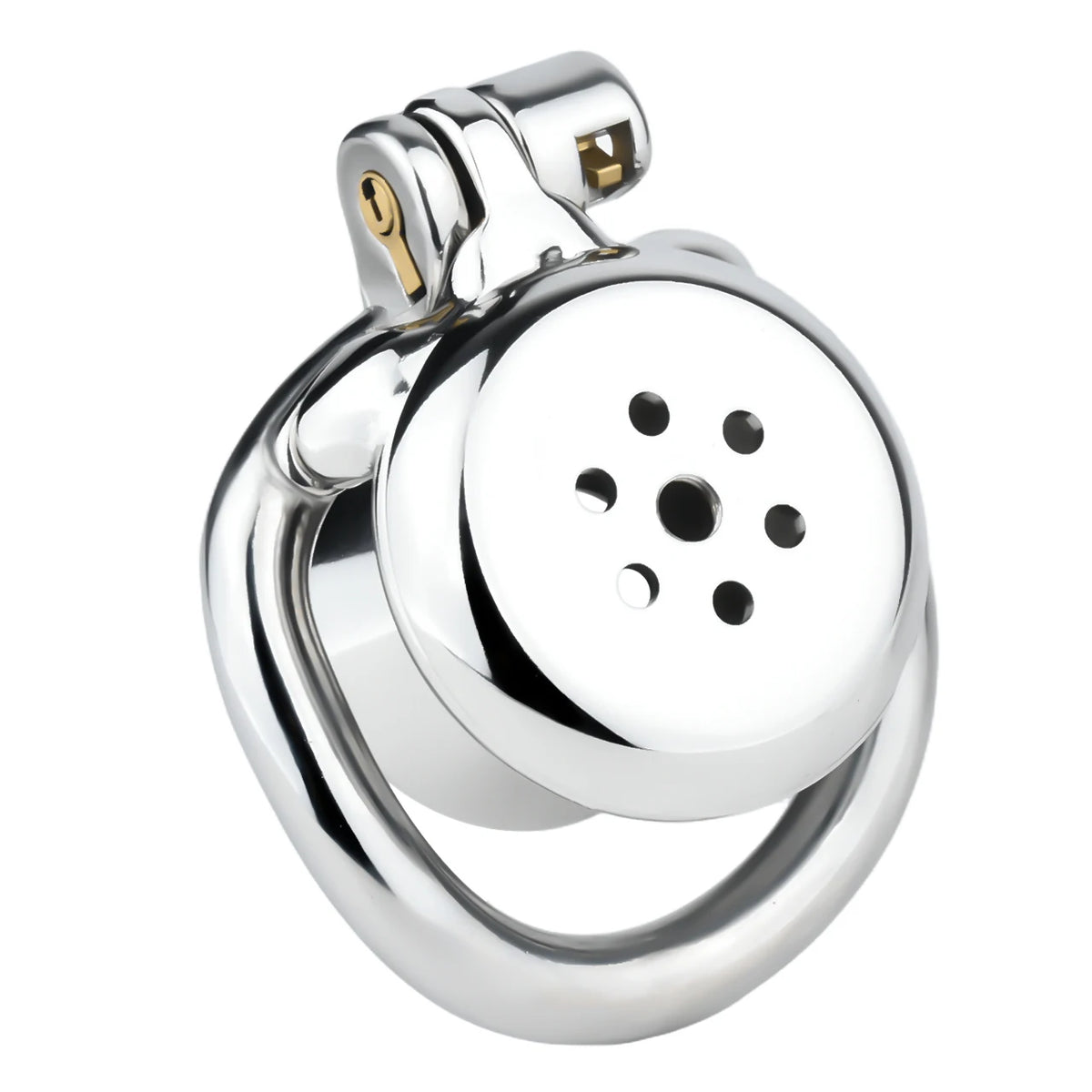
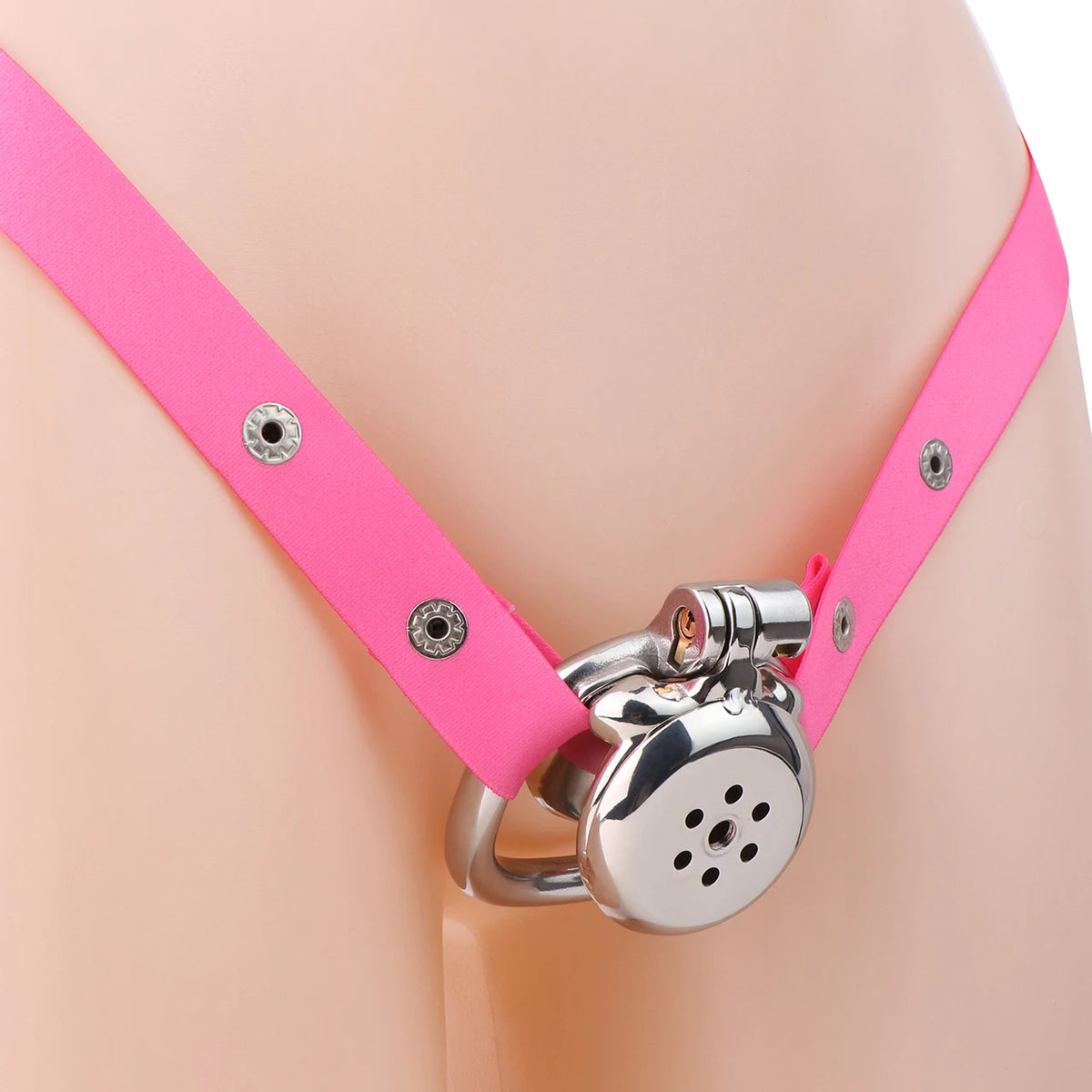
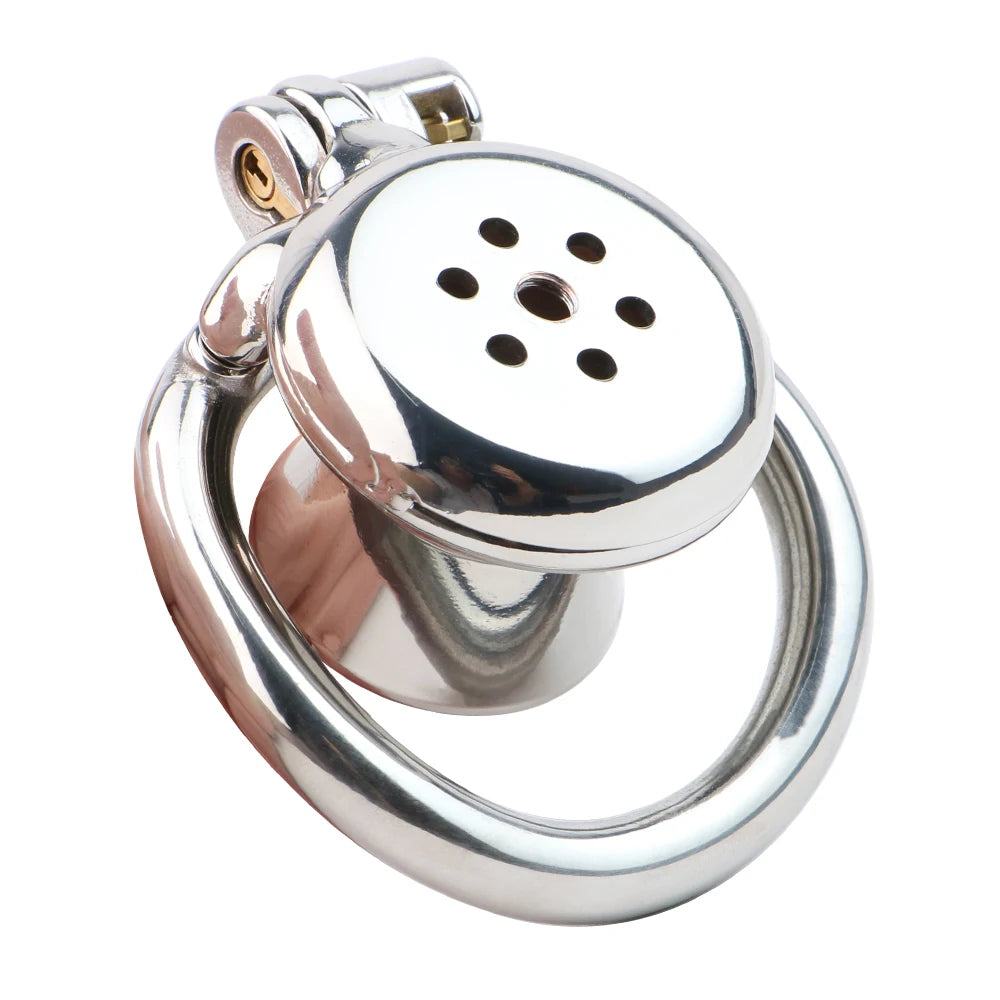
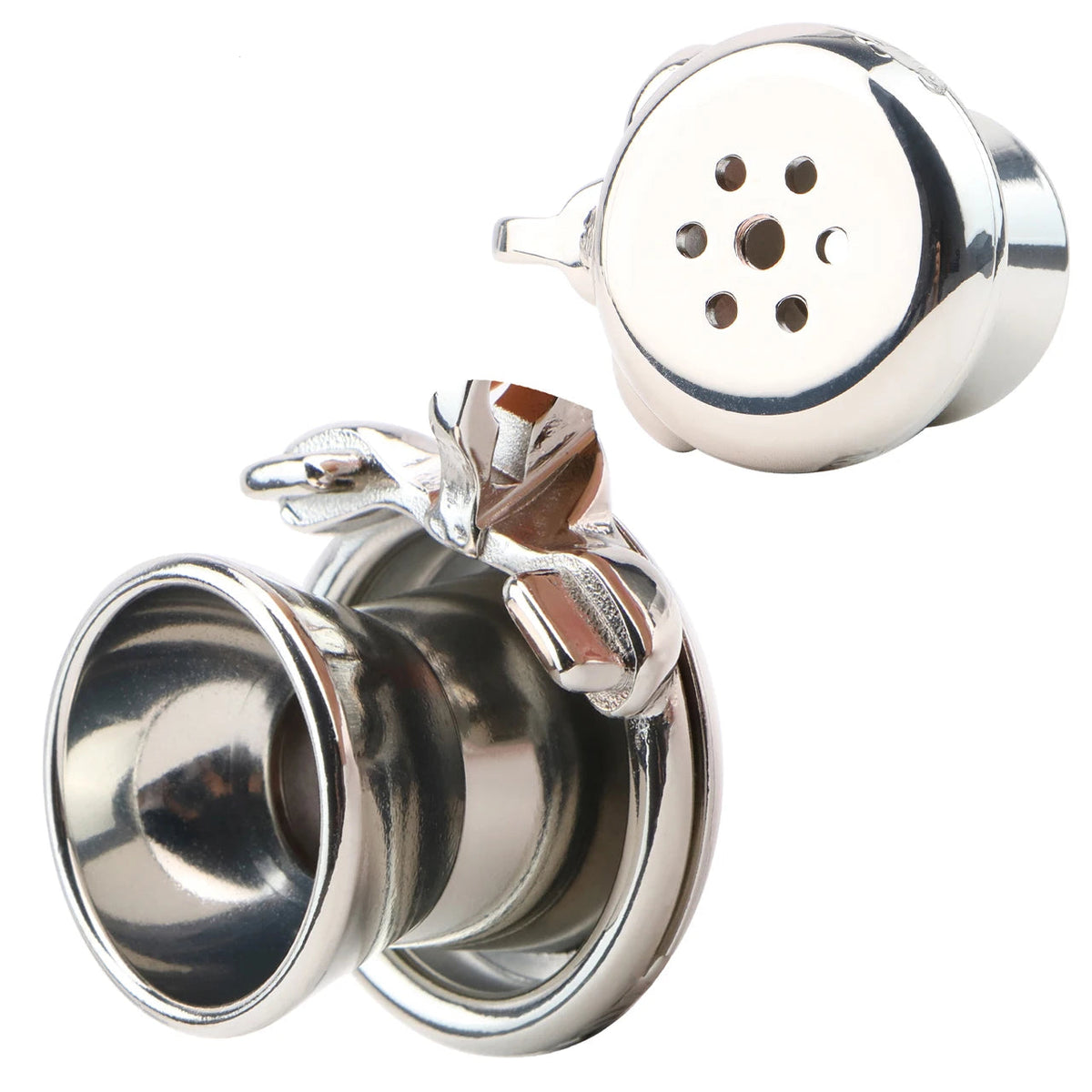
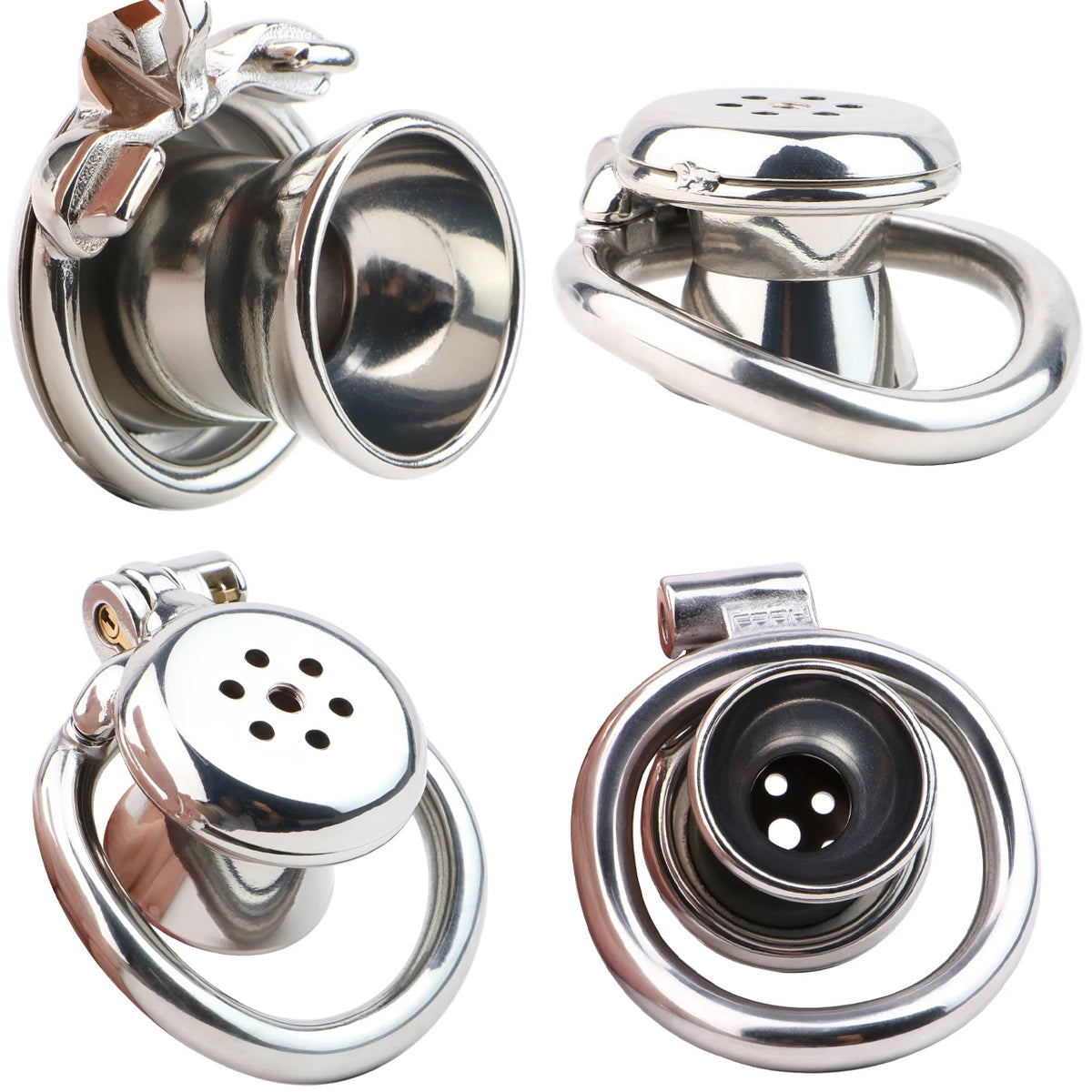
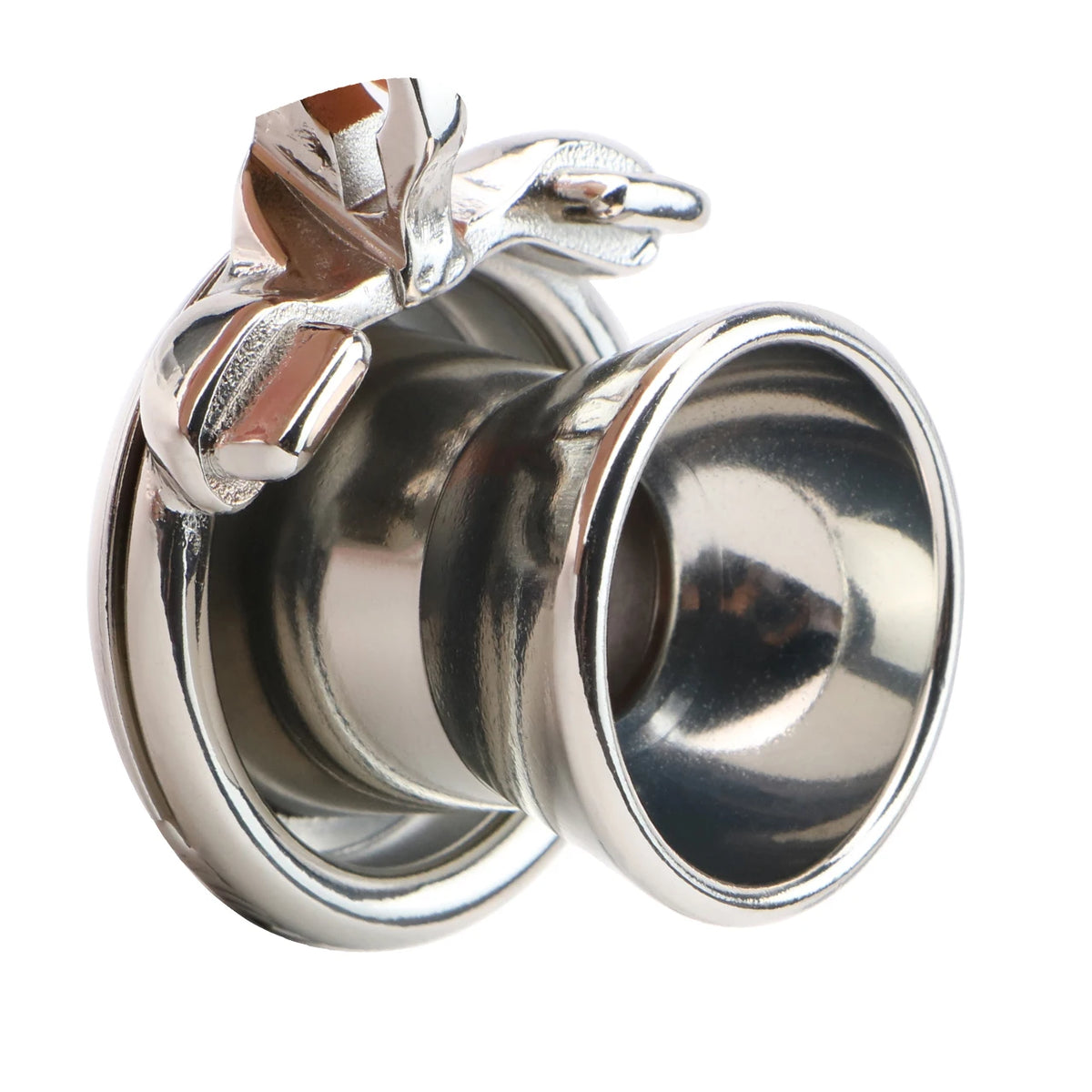
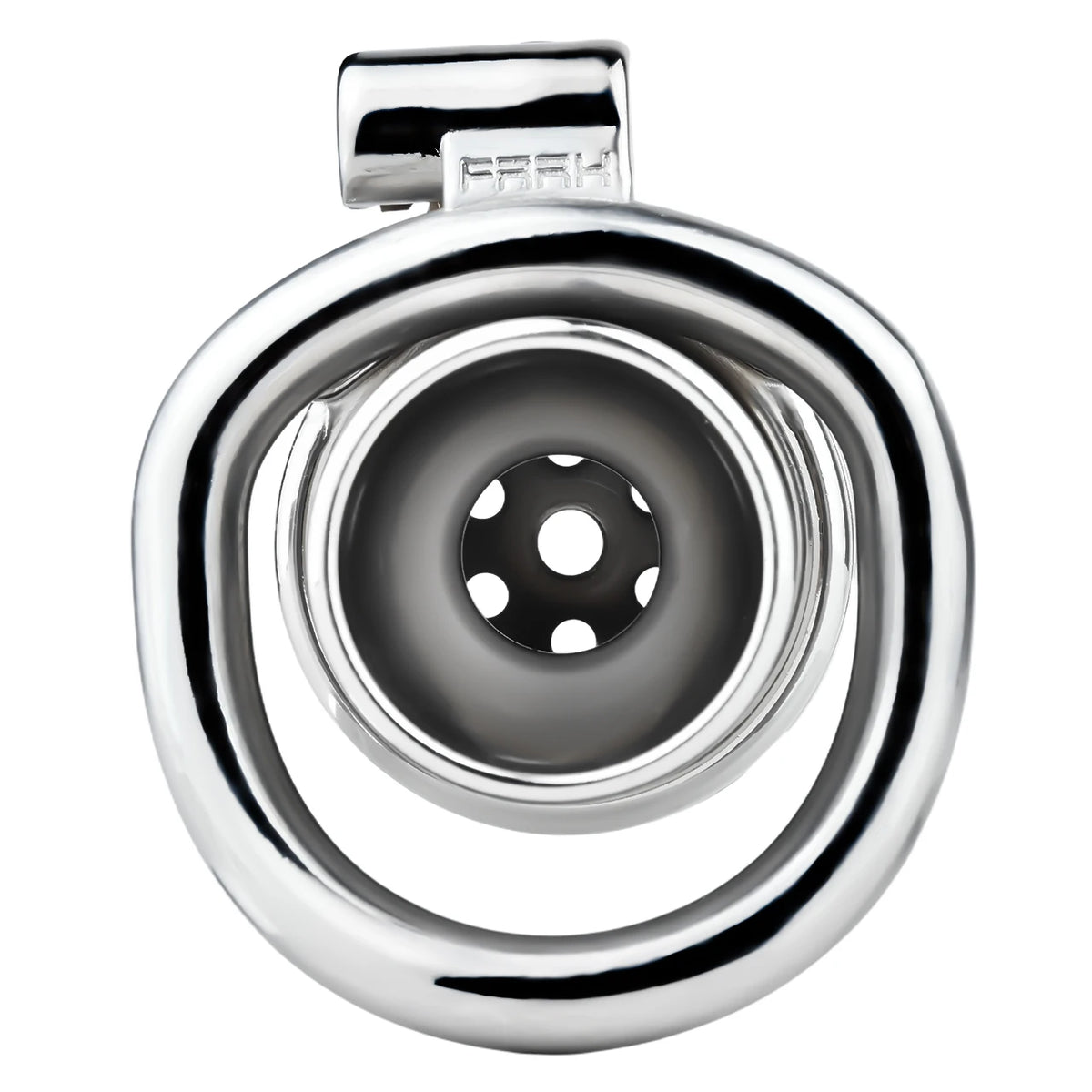
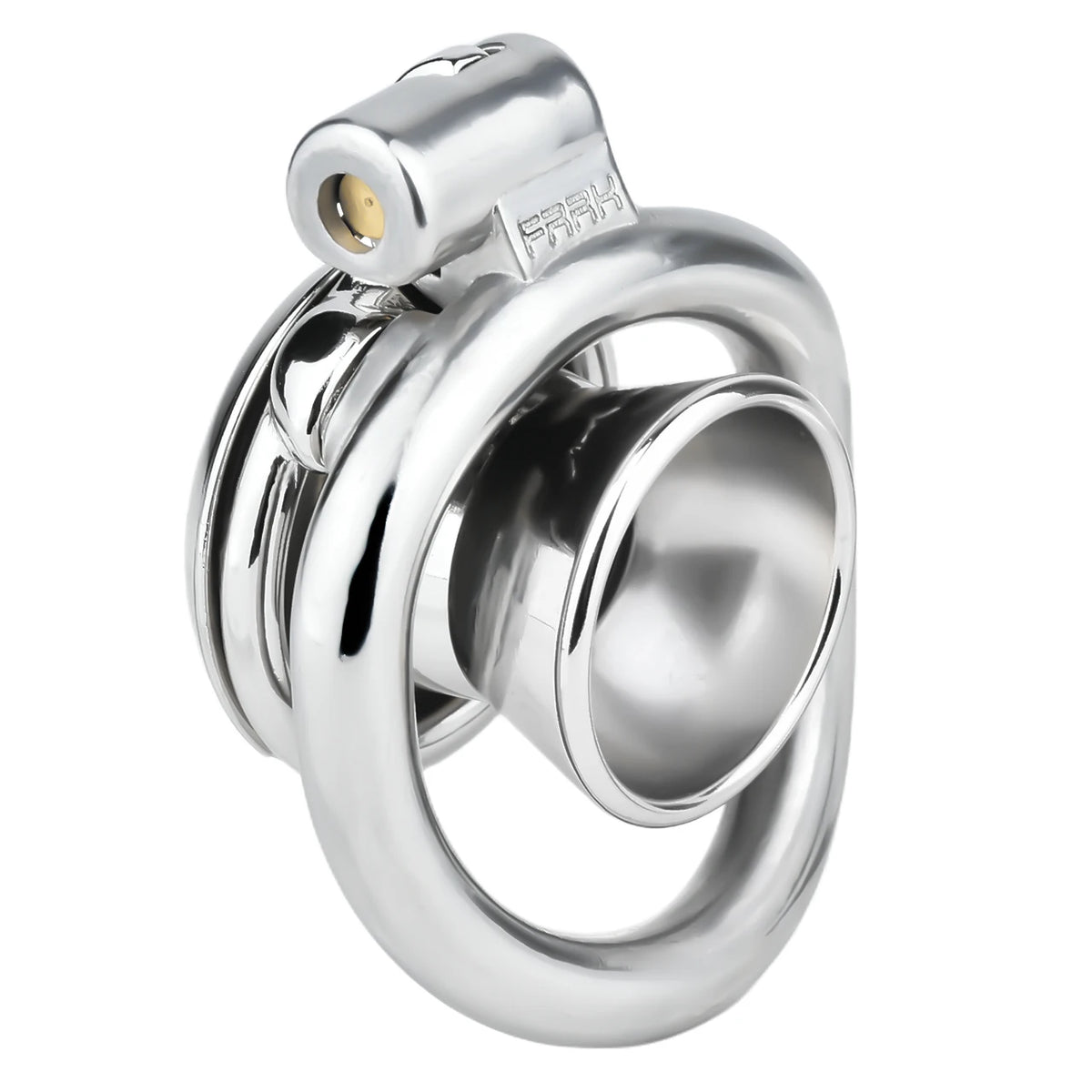
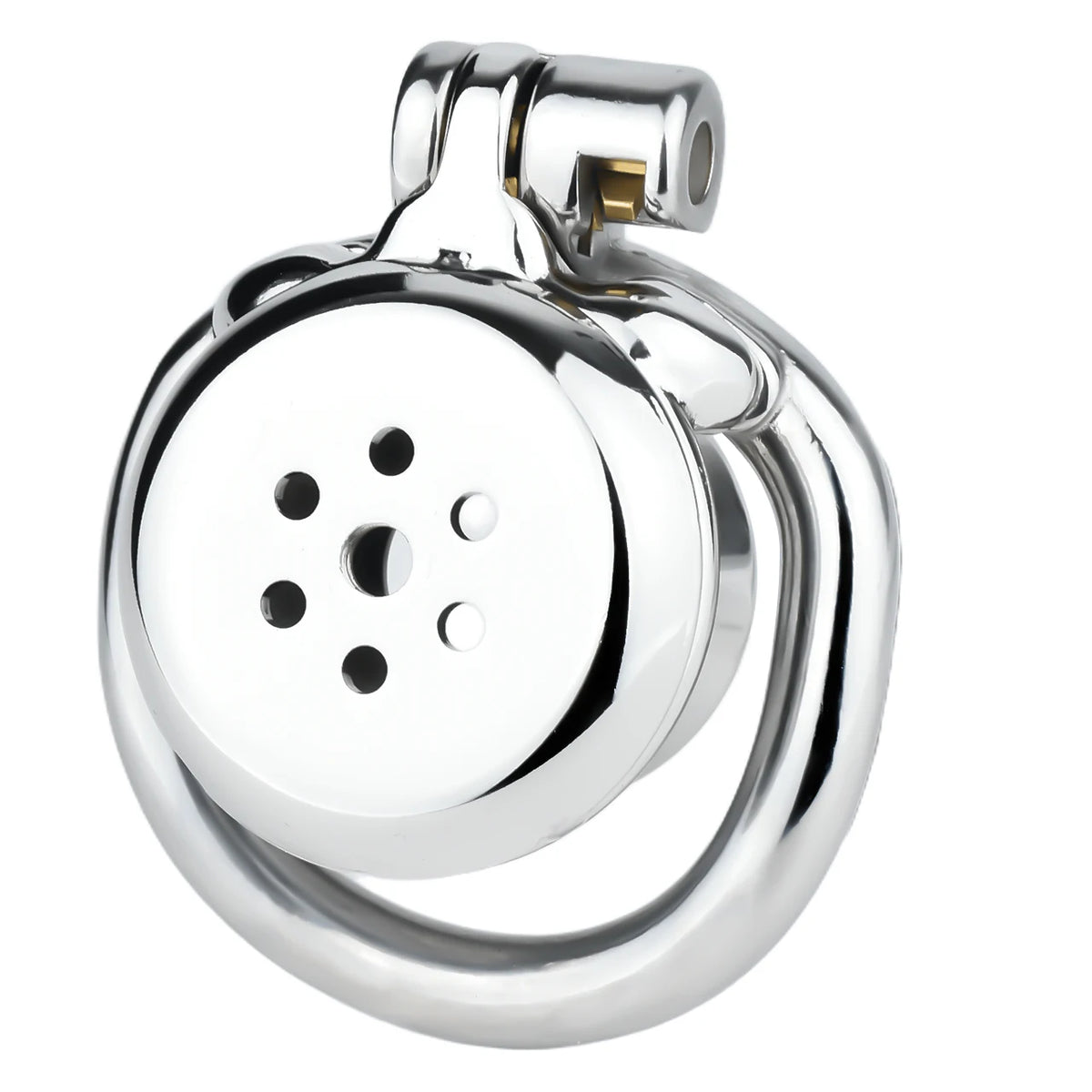
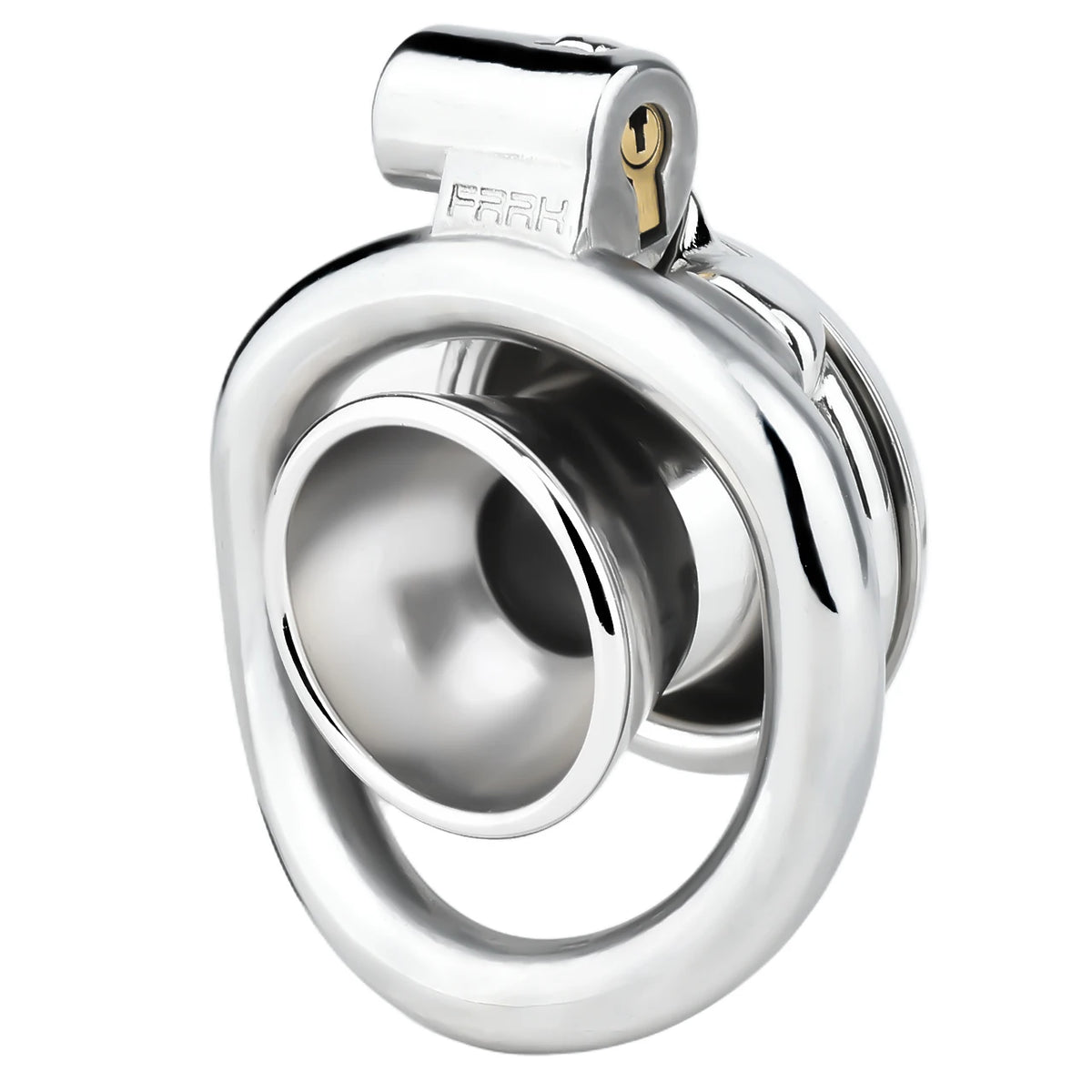
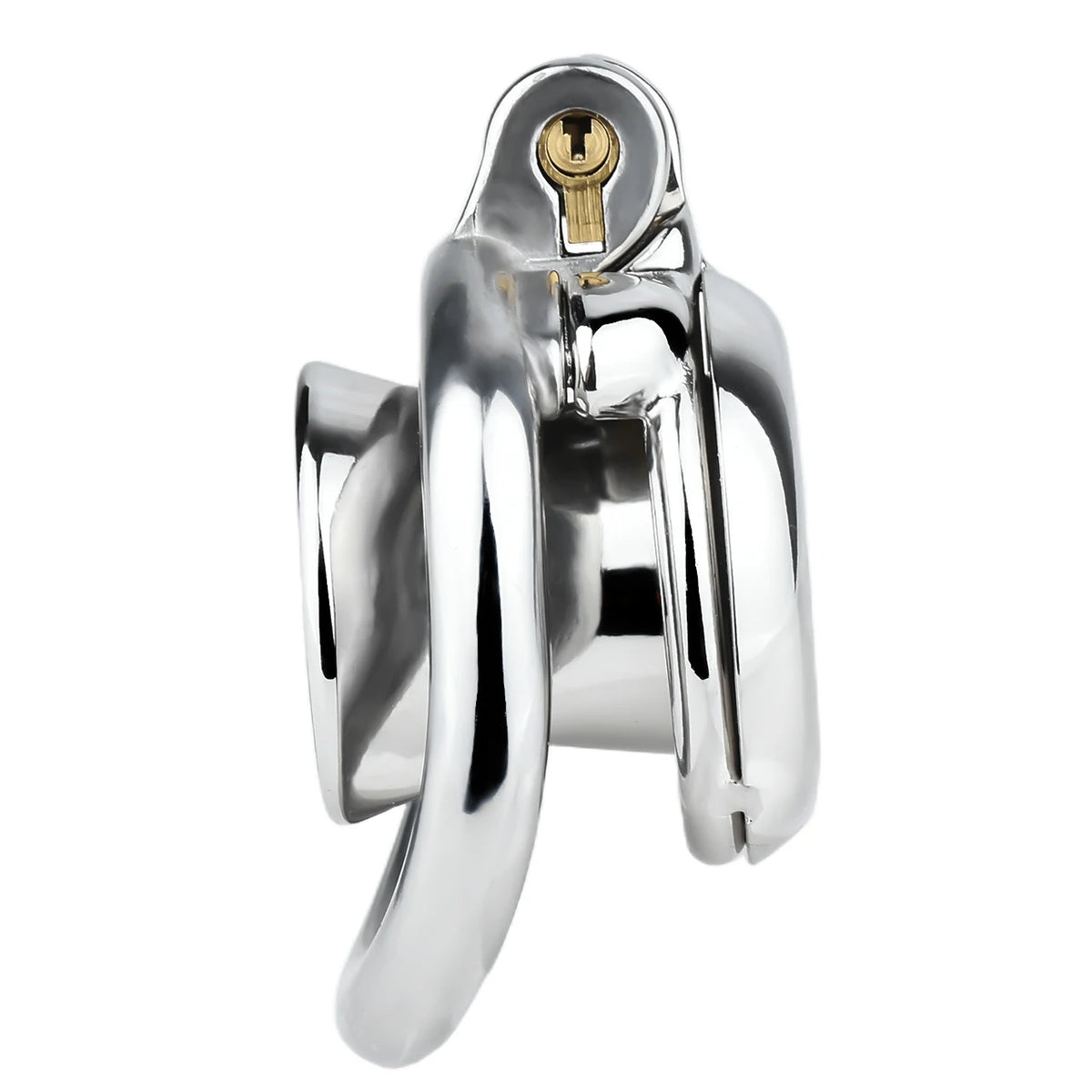
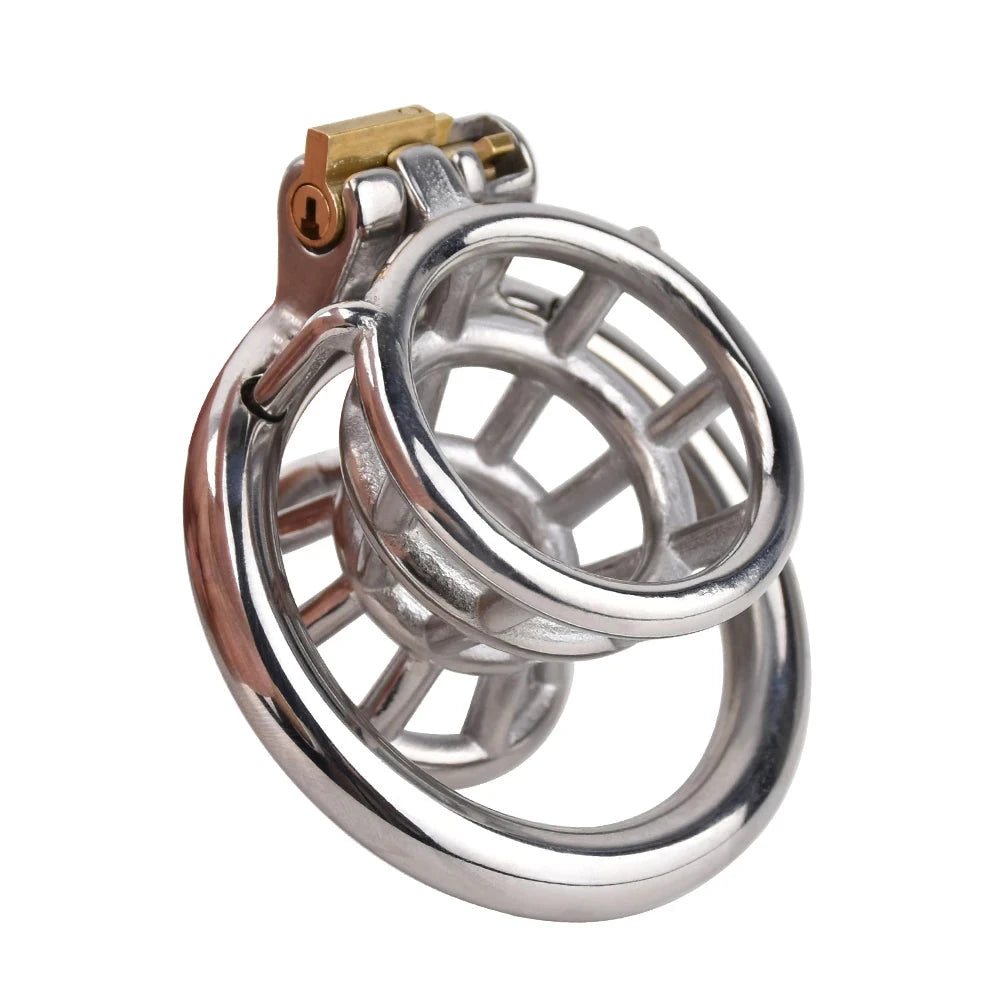
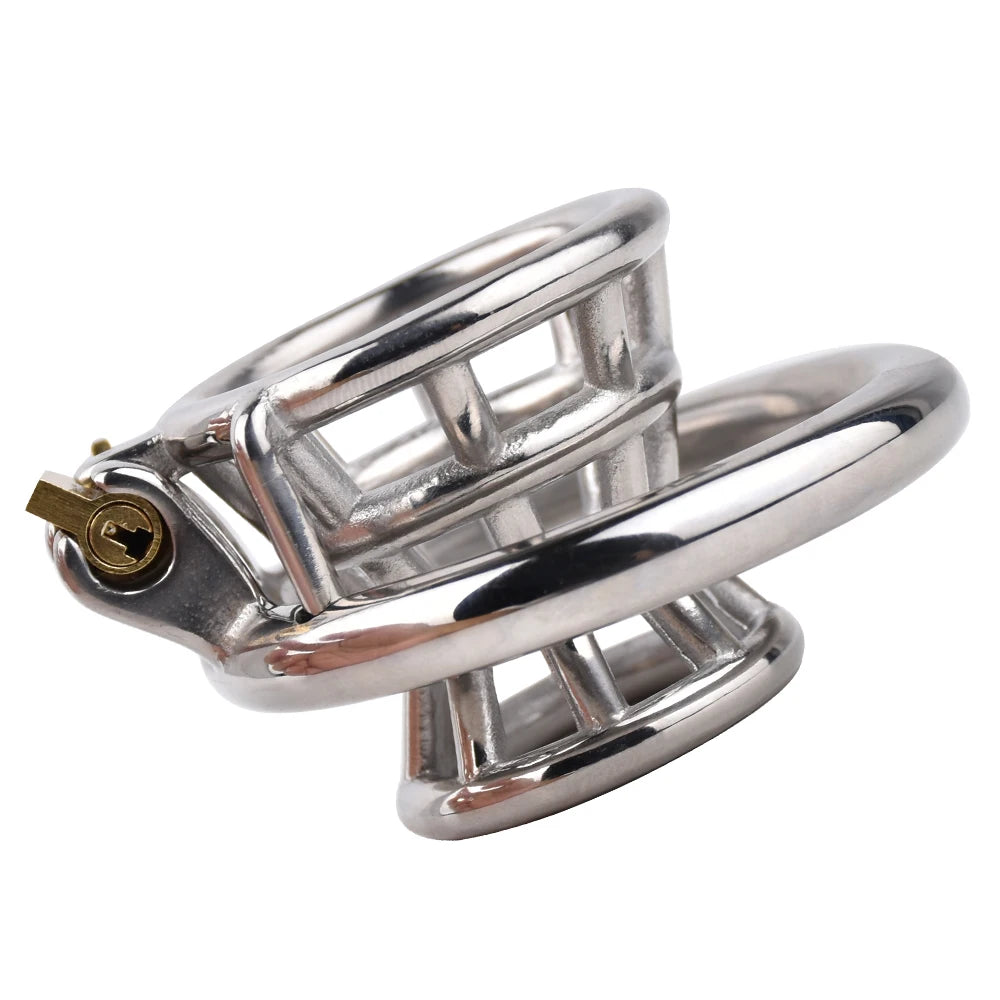
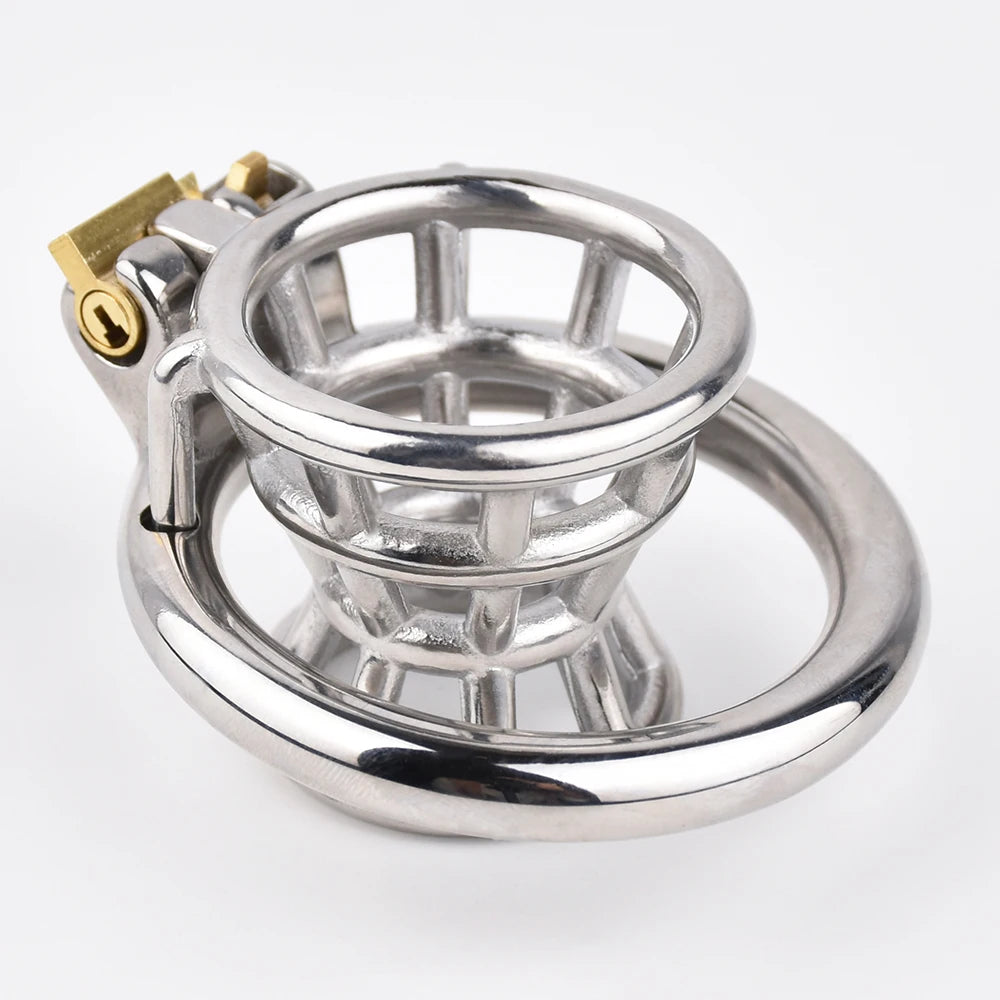
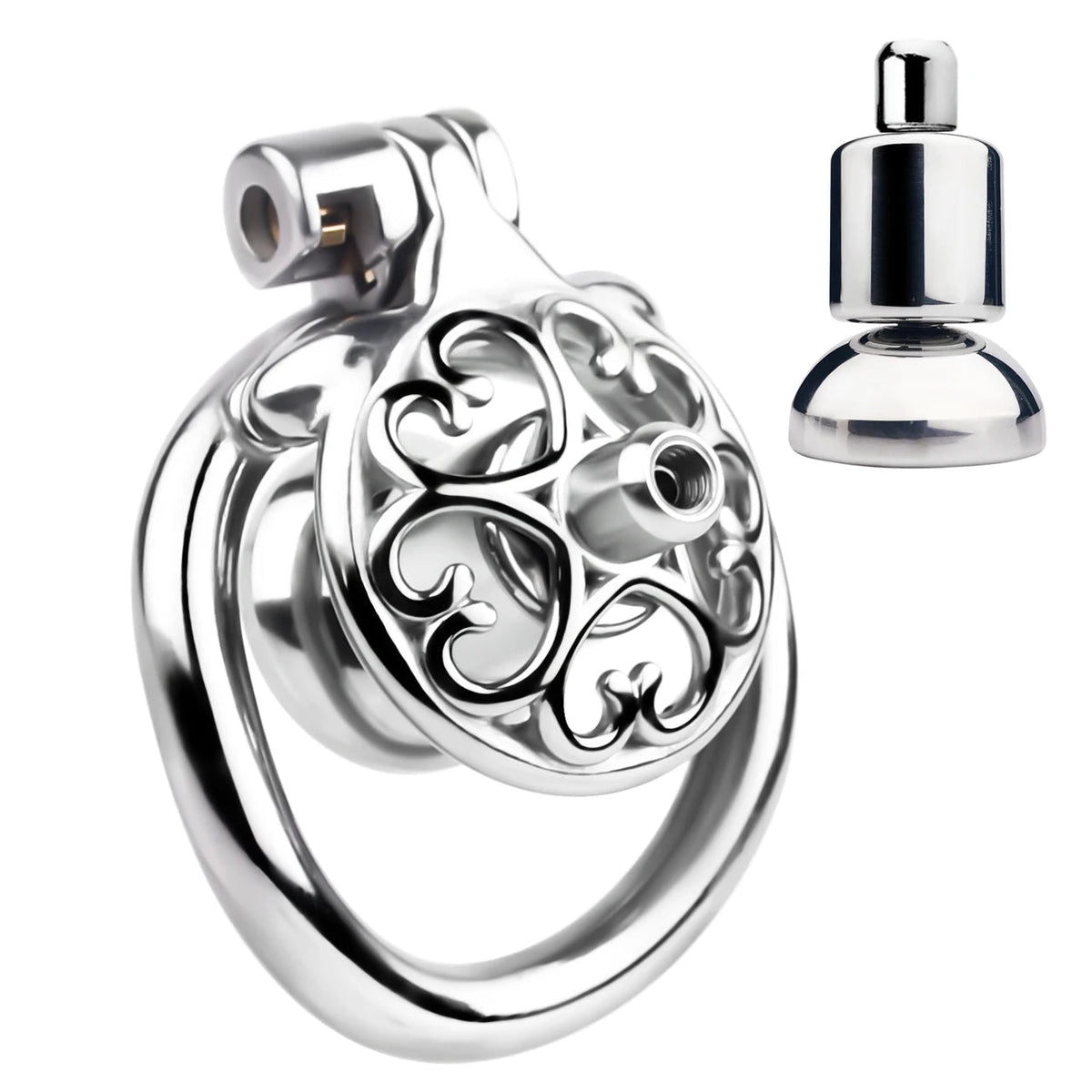
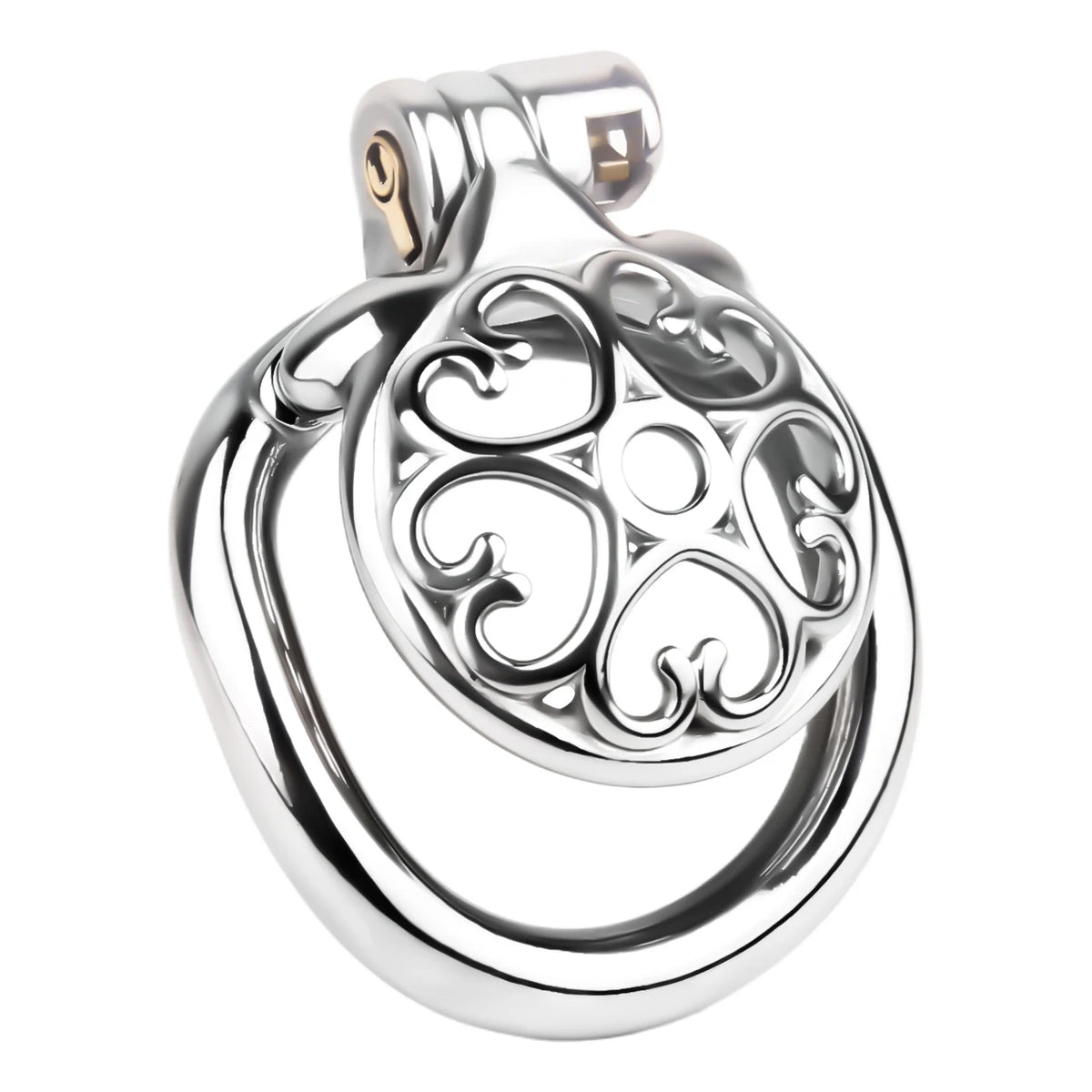
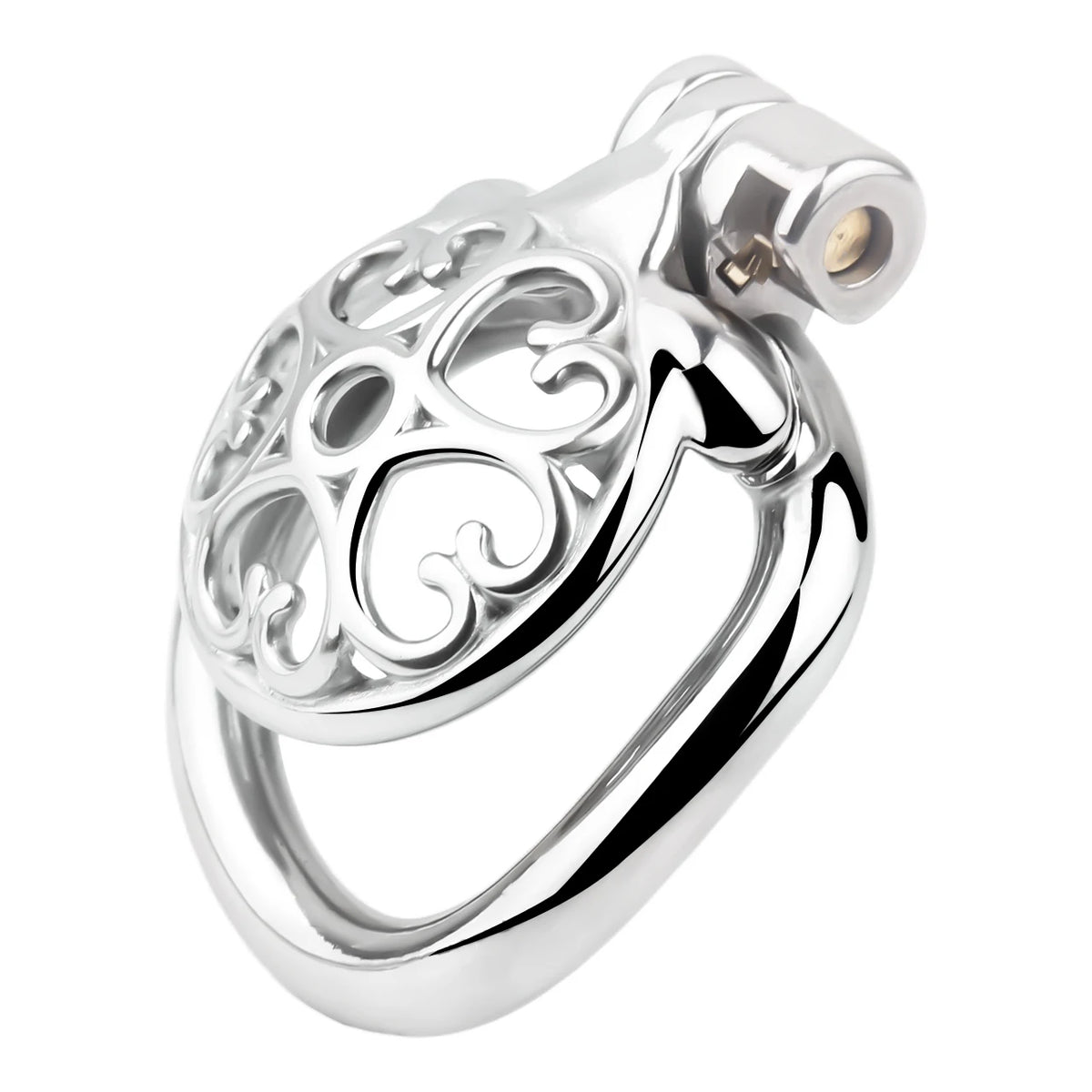
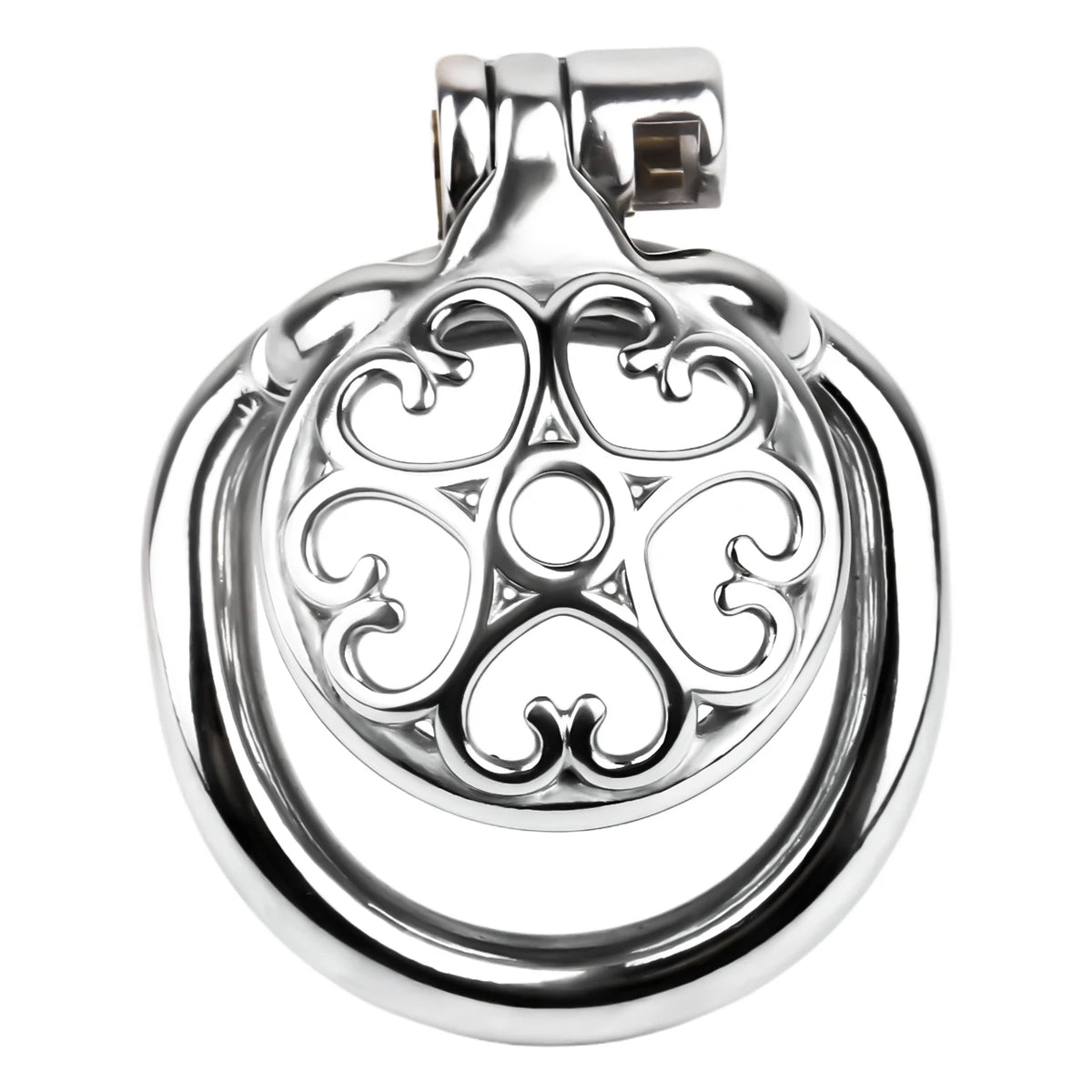
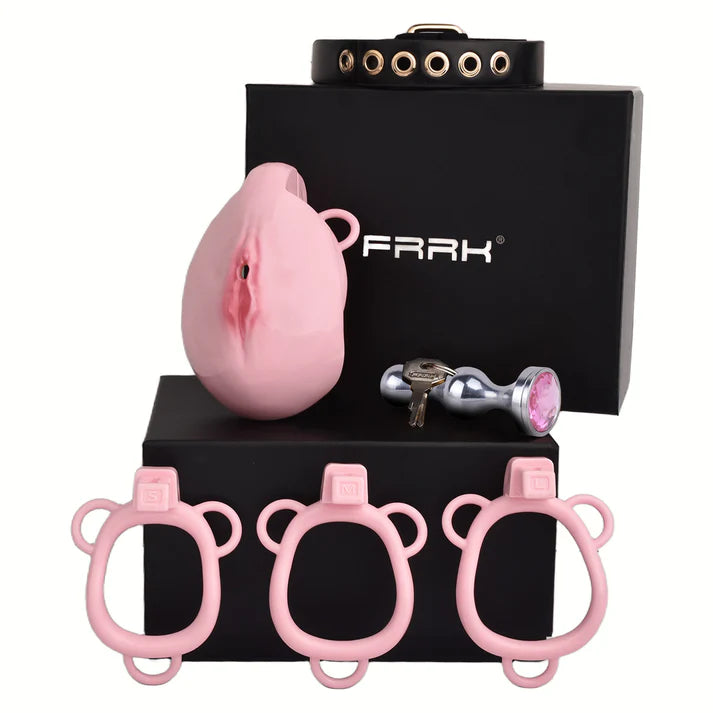
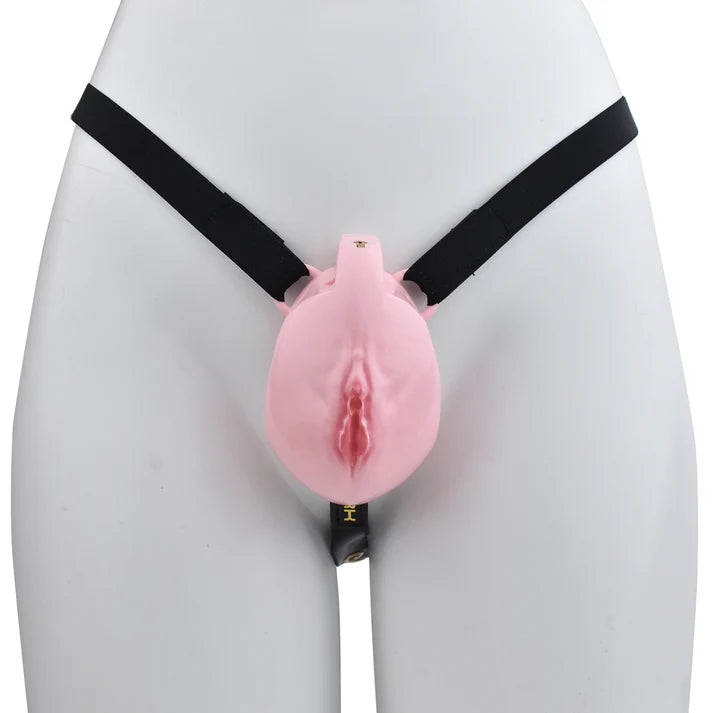
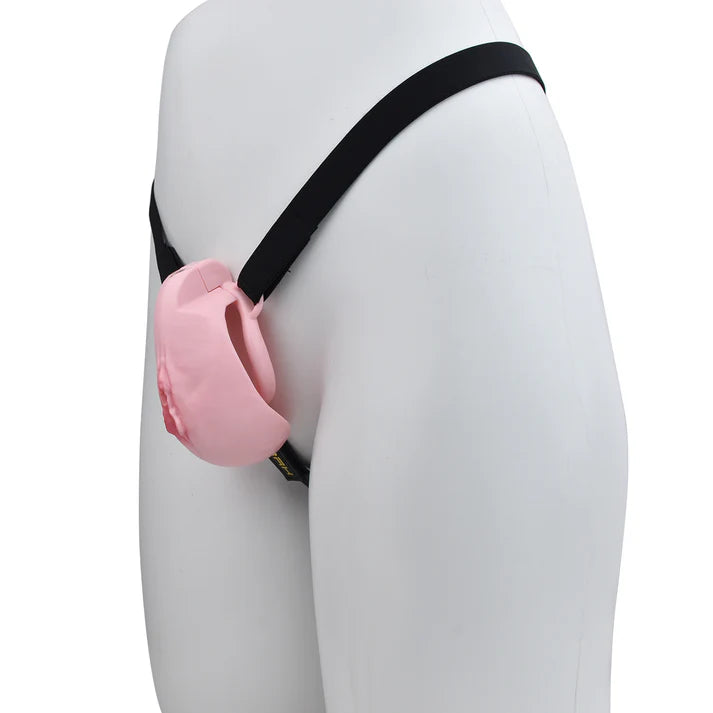
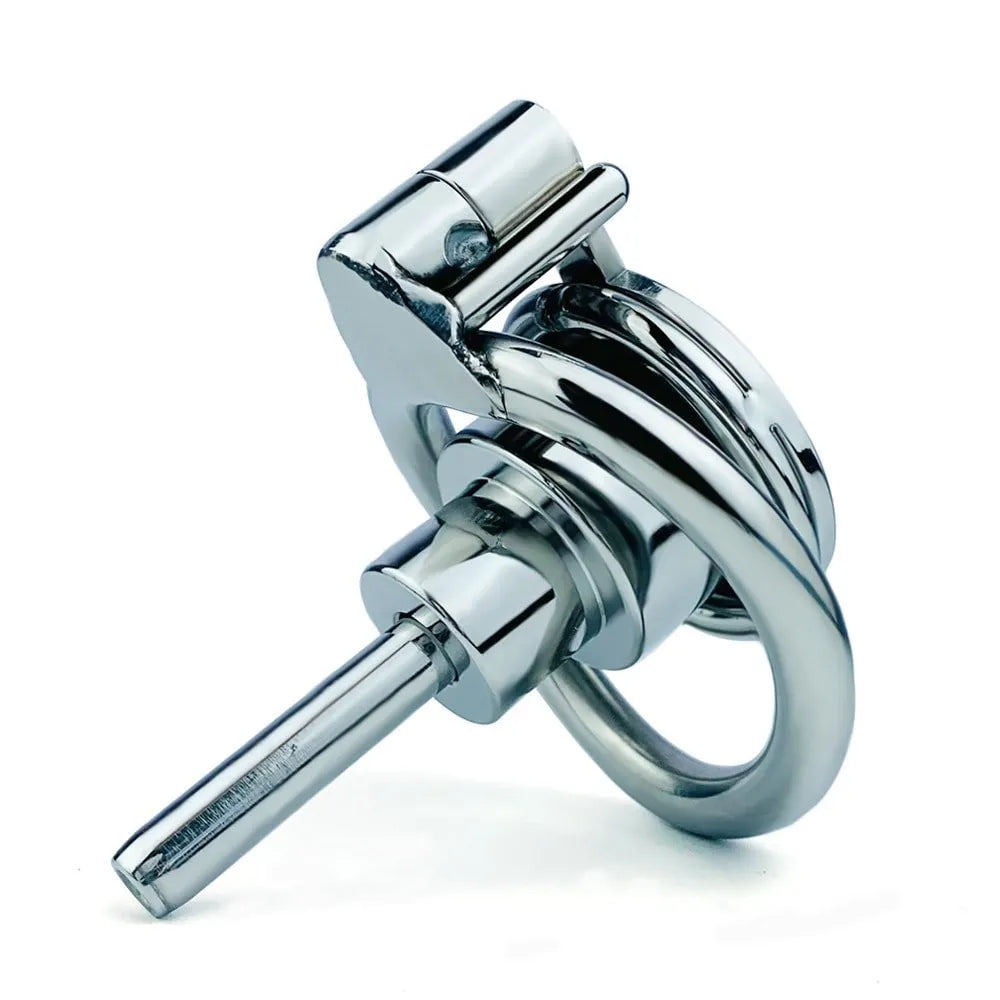
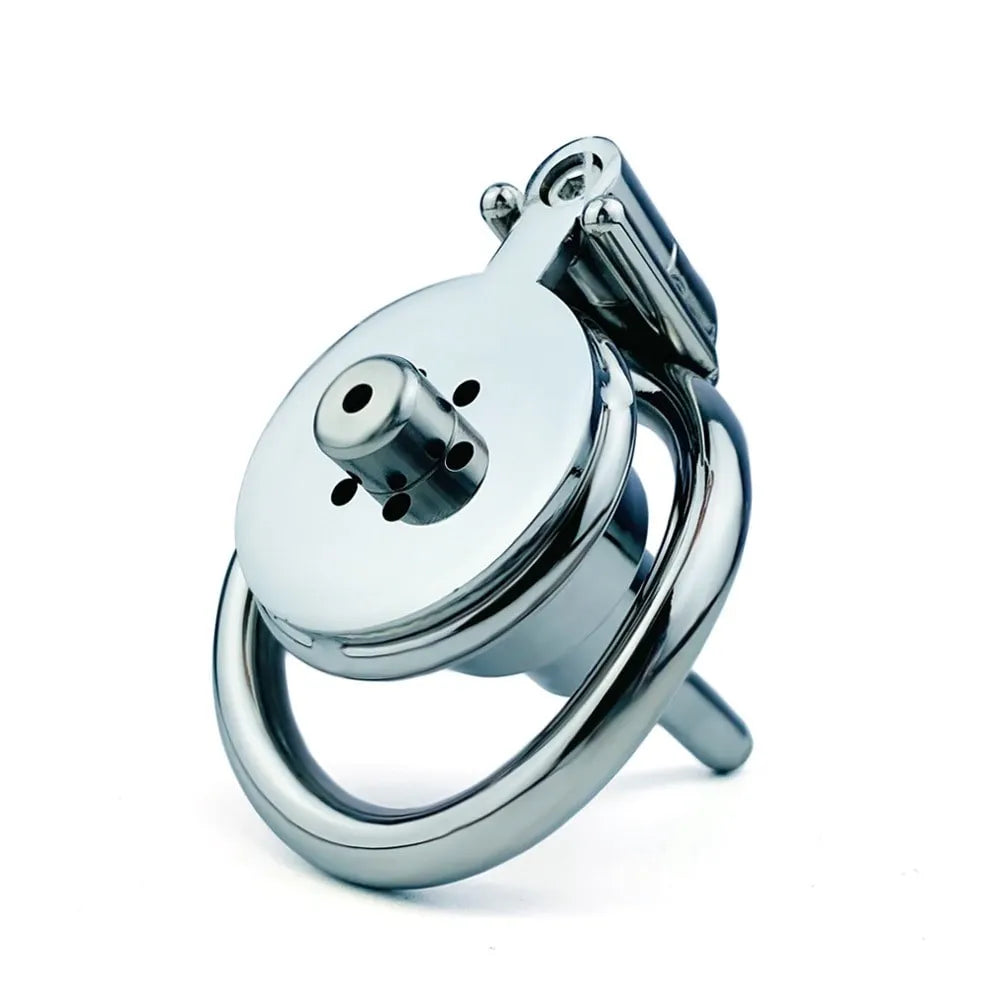
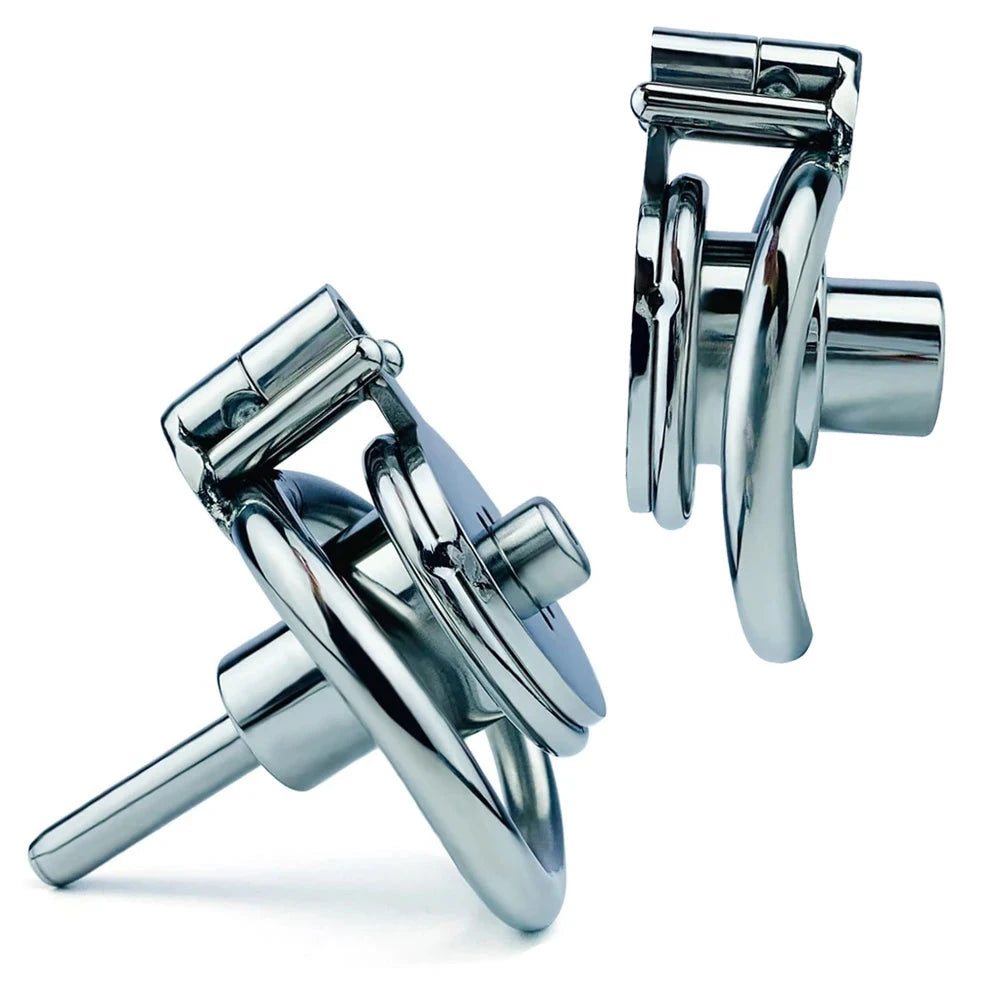
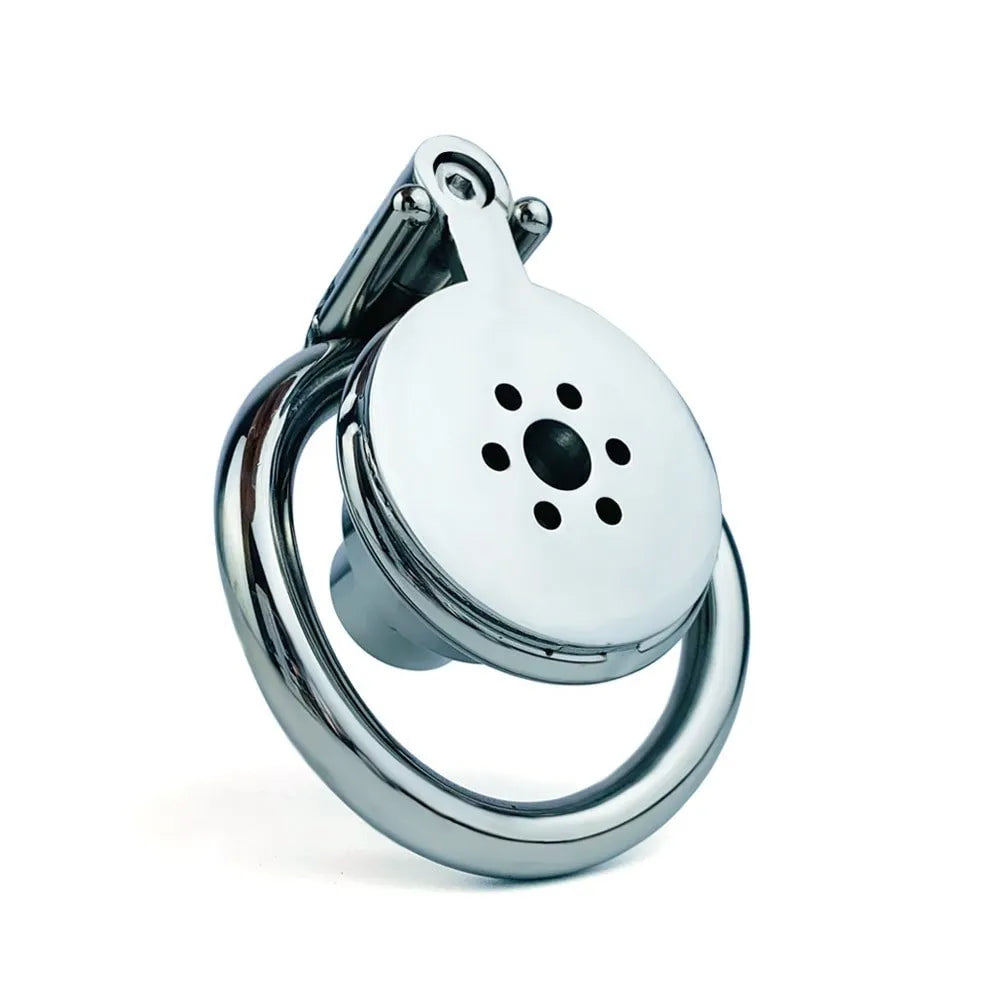
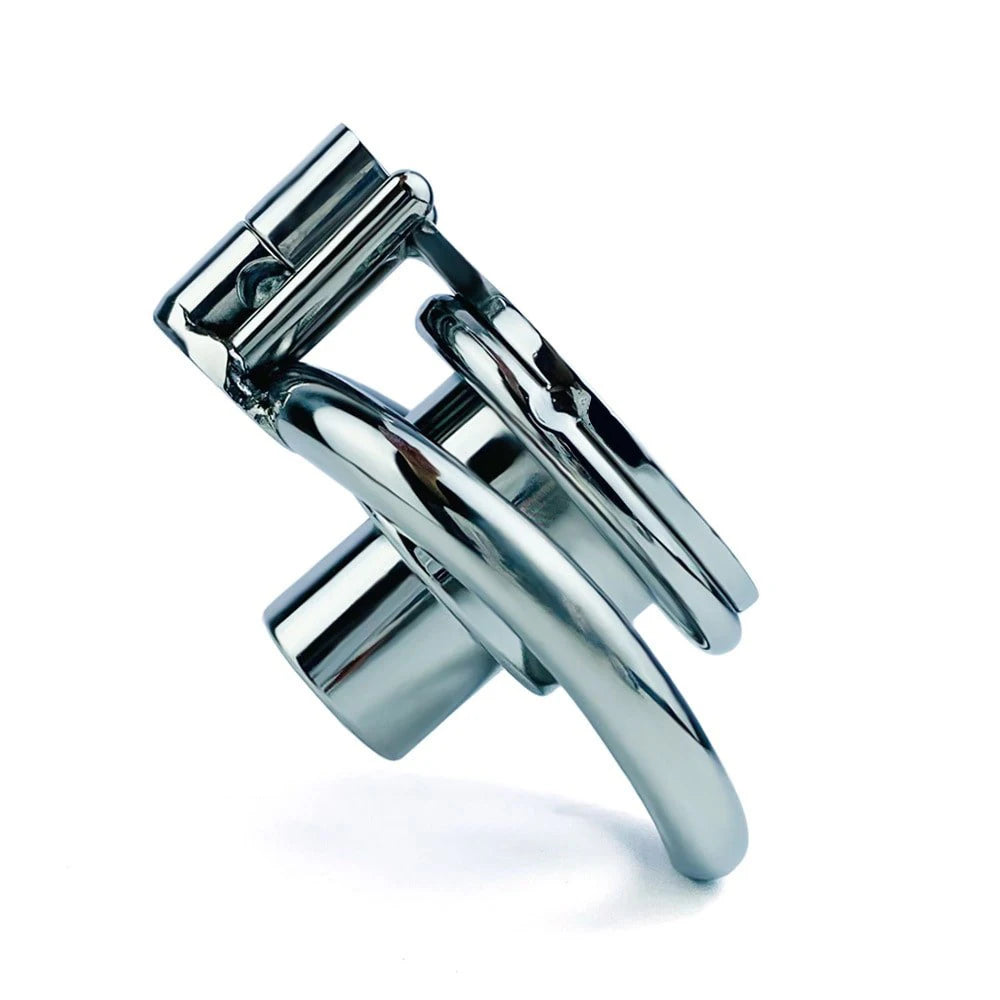
Chastity cages come in several models: open cages, closed cages and cages with a urethral sound. Each type influences how you urinate. Open cages, with bars or slots, make it easier for urine to pass through but can scatter the stream. Closed cages, shaped like a solid tube, channel urine more effectively but require precise alignment. Finally, cages with a urethral tube direct urine straight through an inserted probe, reducing the risk of mess. Choosing the right model plays a key role in managing urination.

Hygiene becomes a priority when wearing a chastity cage. Urine that stagnates or accumulates inside the cage can cause unpleasant odors or infections. Poor management of urination amplifies these risks. We will look further on at how to clean the cage effectively and maintain impeccable hygiene, even when wearing the device for several days.
Urinating with a chastity cage takes a little adjustment. Here are the main techniques for doing so without complications.
The majority of users agree on one point: peeing sitting down simplifies the experience. This position naturally aligns the urine outlet with the opening of the cage, whether it has bars or a tube. It reduces splashing and allows for optimal control. Sit on the toilet, adjust the cage slightly if necessary, and let it flow. This method is particularly suitable for closed cages or models with a narrow opening.
Some people prefer to pee standing up, particularly in public places where sitting is not always practical. With an open cage, aim carefully to prevent the stream from scattering. Closed cages require precise alignment between the opening and the urinal or toilet bowl. However, this technique increases the risk of splashing and requires more practice. If you opt for this approach, keep some paper handy to wipe away any stray drops.
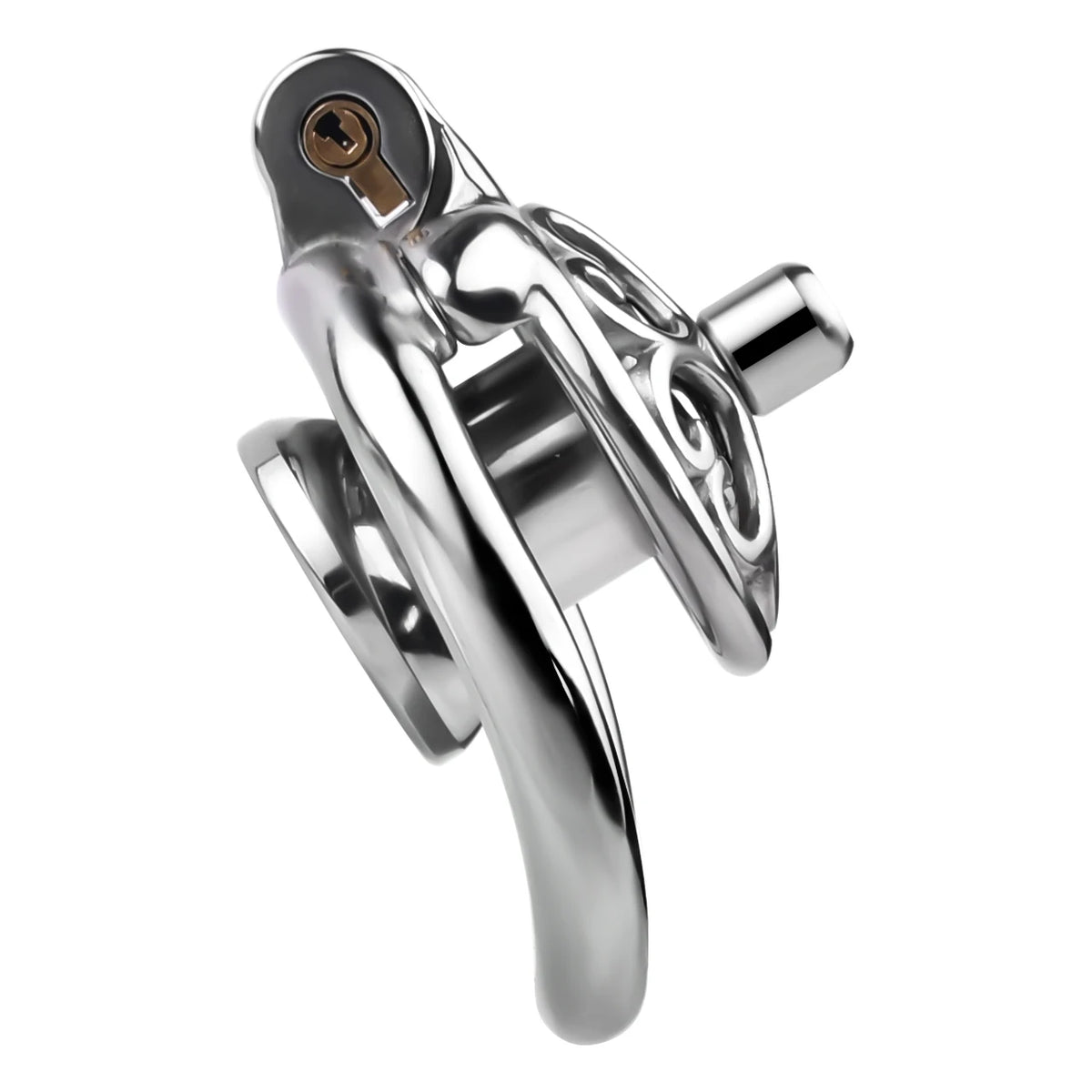
For experienced users, some cages include a urethral tube. This small device is inserted into the urethra and guides urine directly to the outside. This option almost entirely eliminates splashing and allows you to urinate standing or sitting without any adjustment. However, it requires prior lubrication and strict hygiene to avoid urinary tract infections. If you are just starting out, try simpler methods first.

A frequent question is: should you remove the cage to urinate? The answer depends on several factors.
In most situations, you do not need to remove the chastity cage. Modern models incorporate openings or slots designed for urination. If your cage is properly fitted and you adopt the right position (sitting or standing with precision), urinating without removing it works perfectly well. This also respects the goal of control or abstinence often associated with this device.
Sometimes, removing the cage is unavoidable. If the model is poorly designed, with an opening that is too small or badly positioned, urine risks stagnating inside. This can also happen if you feel pain or discomfort when urinating. In that case, ask your keyholder for the key or use a spare if you have one. After urinating, clean thoroughly before putting the cage back on.
Regularly removing the cage to urinate can undermine the chastity experience. If you are wearing the device within a domination dynamic, this requires your partner's agreement. Furthermore, handling the cage too often increases the risk of chafing or irritation. Choose a cage suited to your needs to minimize these inconveniences.
Beyond the technique for urinating, other aspects deserve your attention. These issues influence your comfort and long-term health.
Hygiene is essential to avoid complications. After urinating, dry the cage thoroughly with toilet paper or a clean cloth. Once a day, clean your chastity cage, especially if it is made of metal or plastic. Silicone cages require particular attention, as they retain moisture more easily. Use a hairdryer on a low setting to eliminate any trace of water.
Poor hygiene or an inadequately cleaned cage encourages the growth of bacteria. Symptoms include a burning sensation when urinating or unusual odors. If you use a urethral tube, sterilize it before each insertion. Consult a doctor if you suspect a urinary tract infection.
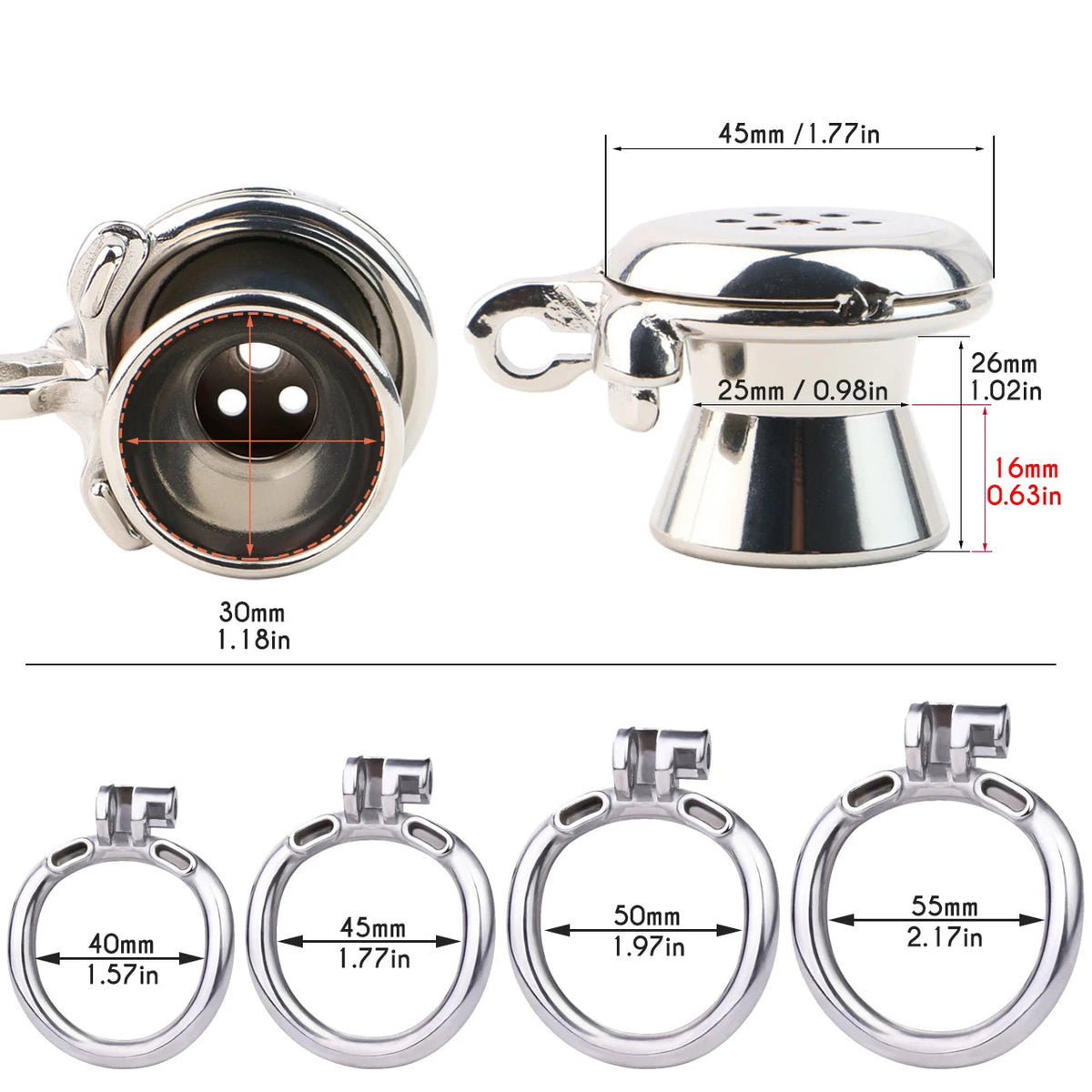
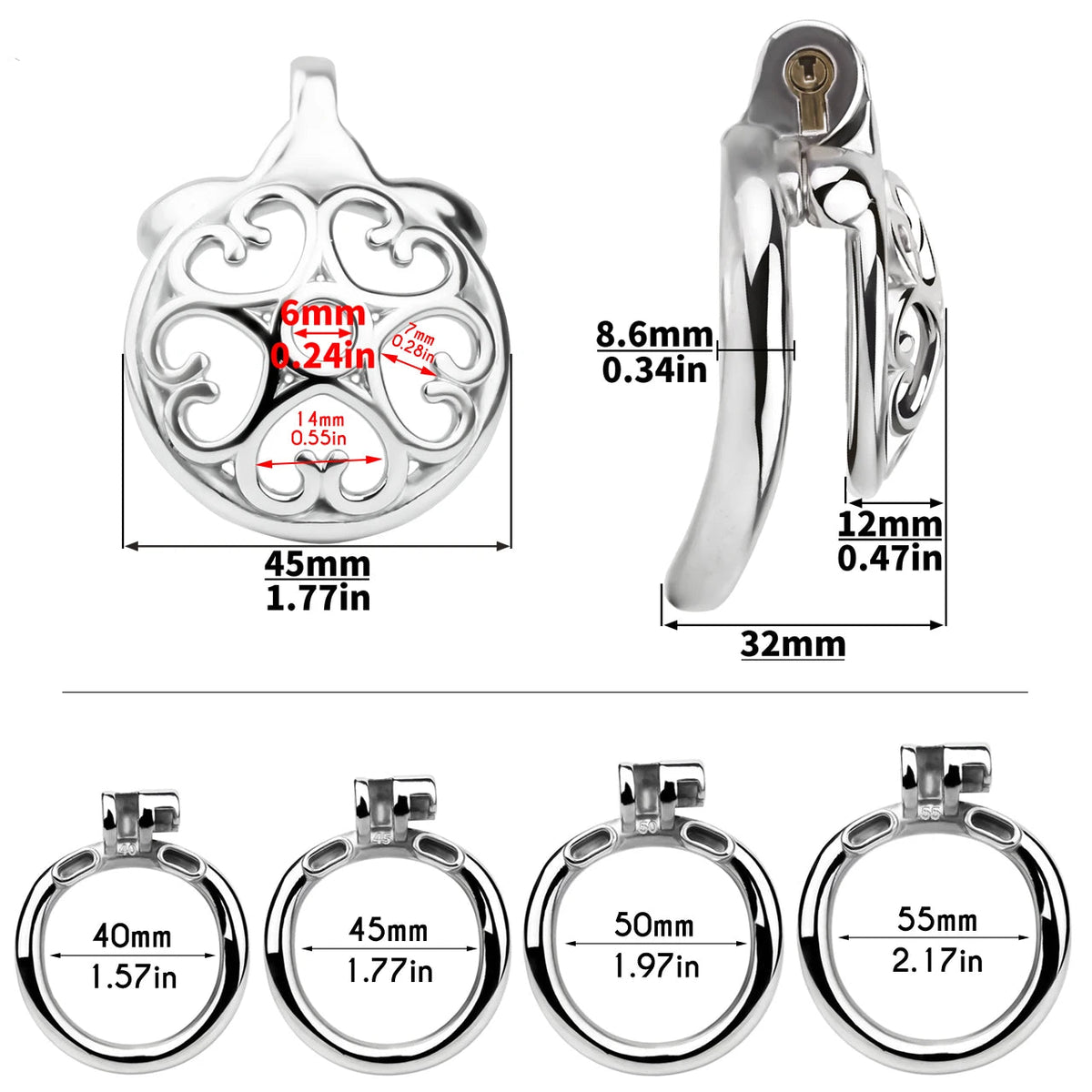
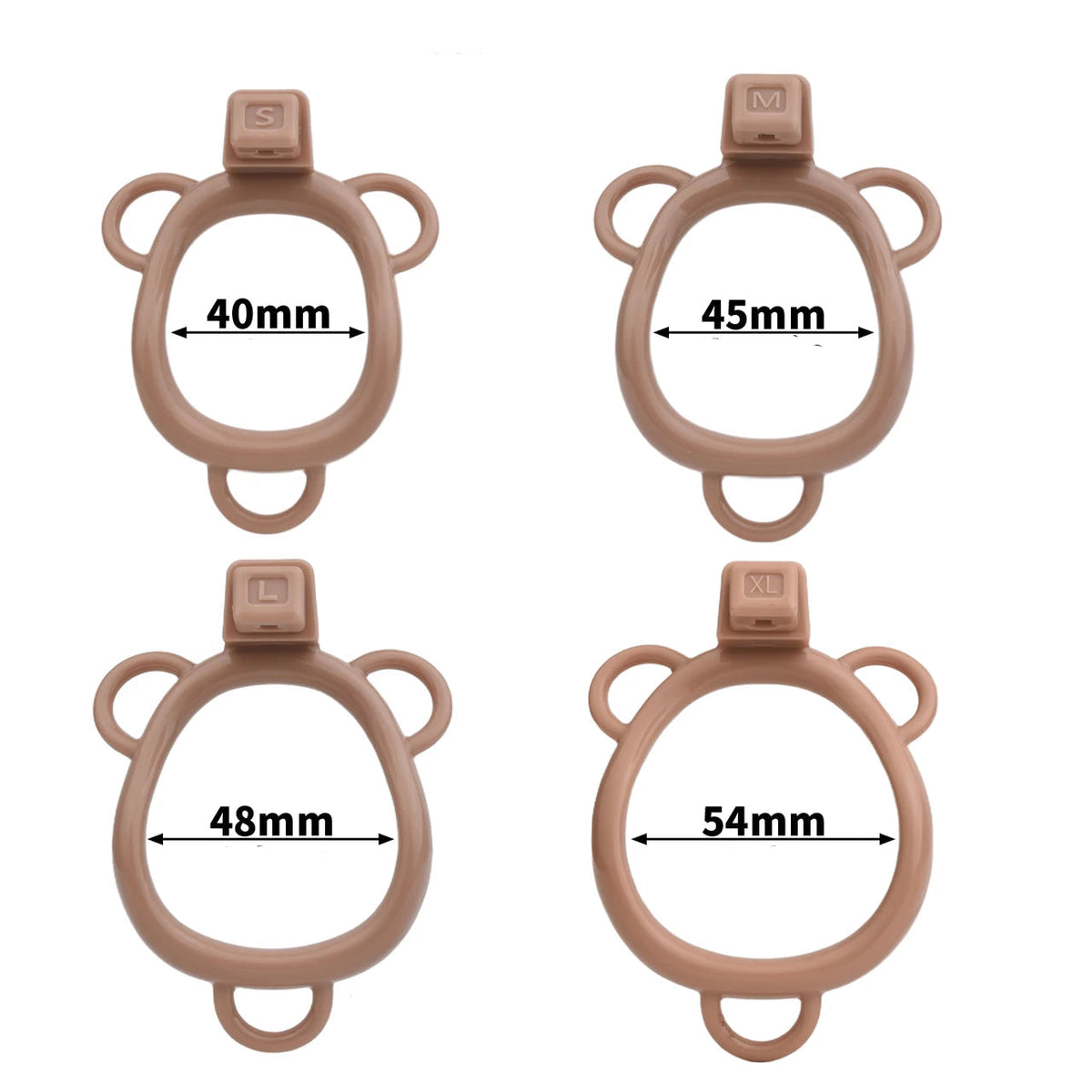
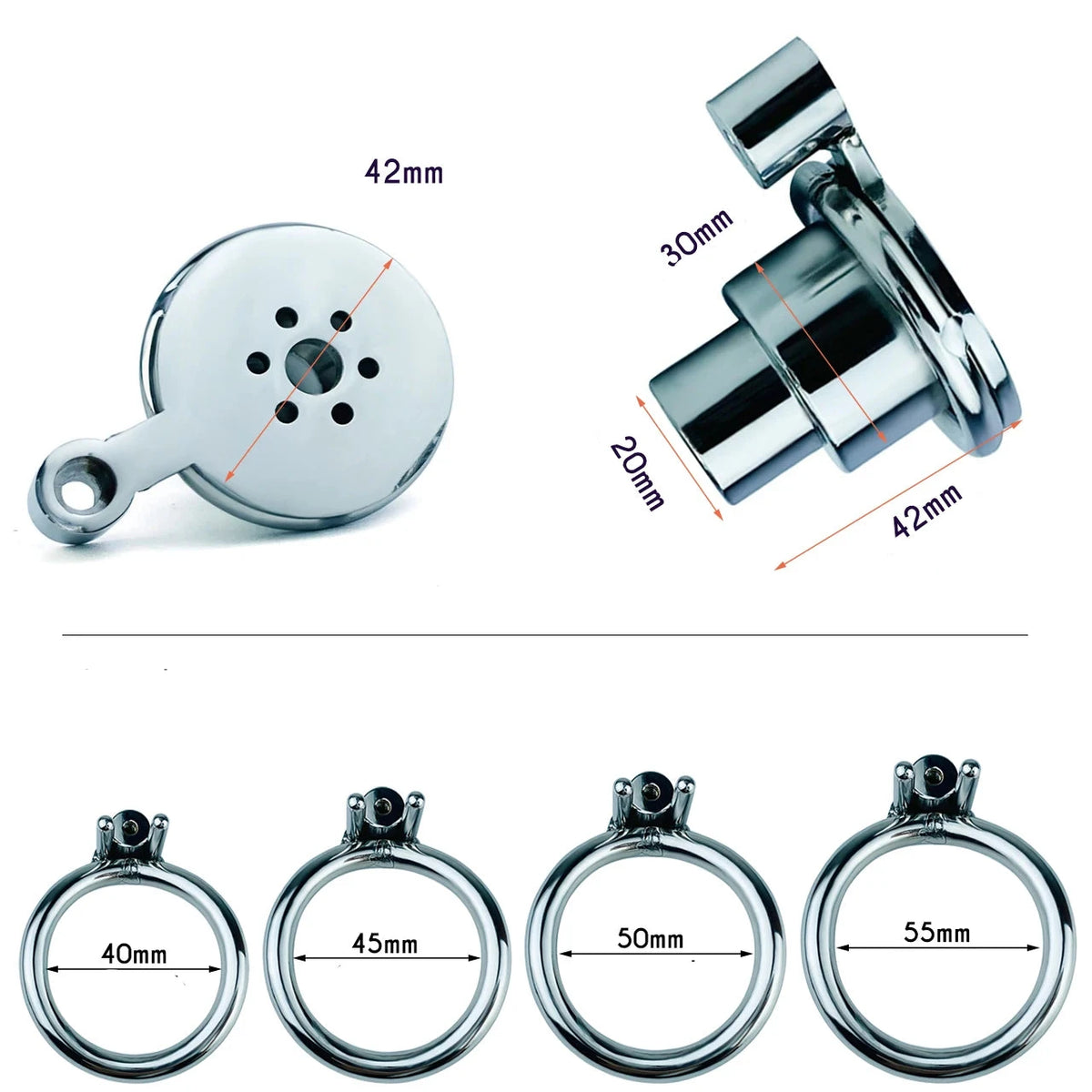
A poorly fitted cage complicates urination. If it is too small, it compresses the urethra and restricts flow. If it is too large, it shifts around and misaligns the opening. Measure your penis at rest to select an appropriate size. Try several models if possible before wearing one for an extended period.
Morning erections pose an additional challenge. They put tension on the cage and can deflect the urine stream. Urinate sitting down to minimize the inconvenience. Over time, your body will adjust to the cage, and these erections will become less frequent.
Wearing a cage every day, such as at work or school, requires adjustments. Favor toilet cubicles so you can sit down discreetly. Bring wipes for a quick clean-up if needed. With good organization, urinating remains manageable, even away from home.
To wrap up, here are a few tips for peeing with a chastity cage without stress.
Do not force a cage that is uncomfortable. Avoid neglecting cleaning your chastity cage, even for a short period. Finally, do not underestimate the importance of a good fit: an ill-suited cage ruins the experience.
Peeing with a chastity cage takes some getting used to, but it quickly becomes natural. Peeing sitting down remains the most practical solution for most users, and removing the cage is generally not necessary with a well-chosen model. By managing hygiene and anticipating related issues, you will fully enjoy this practice without compromising your comfort or your health. So, ready to take on the challenge? With these tips, you will master this aspect in no time.
At Plaisir & Chasteté, we provide you with all our expertise to offer you chastity cages that meet all needs, desires, and fantasies.