Cart
Your cart is empty

Many people wonder: what does BDSM mean, and what does this acronym that intrigues as much as it fascinates actually stand for? Often reduced to clichés of pain and extreme domination, BDSM is in reality a vast and nuanced world, where everything rests on consent, communication and trust. This article gives you a clear and detailed definition, explores the different BDSM universes, and presents the most commonly used accessories.
BDSM is a world as vast as it is fascinating, one that continues to gain visibility in popular culture. Yet behind the provocative imagery of films and series, it remains misunderstood by the general public. Clichés persist: excessive pain, extreme practices, total loss of control… The reality is quite different. BDSM is above all an erotic or relational game based on consent, communication and trust. It encompasses a multitude of practices, ranging from simple sensual gestures to elaborate scenarios, with or without direct sexual contact.
BDSM brings together a set of erotic or sensual practices based on mutual consent, including bondage, discipline, domination, submission, sadism and masochism. These games can involve physical restraint, psychological or sensory stimulation, with or without pain.
The acronym BDSM brings together several components that respond to one another: Bondage and Discipline, Domination and Submission, Sadism and Masochism. Each of these parts represents a particular universe, but they can be freely combined according to desires and the framework defined between partners. According to Wikipedia, it refers to a set of practices and scenarios based on power play, physical or psychological restraint, and sometimes the pursuit of intense sensations. A BDSM "scene" does not necessarily involve sexual intercourse in the strict sense: some interactions are purely psychological or sensory, others combine several approaches.
Many people still associate BDSM with physical pain, but this is only one facet among many. BDSM can be gentle and sensory, rely solely on authority and suggestion, play with sensory deprivation or role play without any pain whatsoever. It covers a complete spectrum: from the very soft, centered on atmosphere and control, to the very intense, for experienced practitioners. It is not reserved for any particular psychological profile and attracts practitioners from all walks of life.
BDSM is divided into several major domains, each with its own codes, sensations and preferred BDSM accessories. These categories are not compartmentalized: it is common for a scene to combine several universes, and for a couple to explore different styles over time.
Bondage consists of restricting a person's movements, through ropes, handcuffs, straps or dedicated devices. Immobilization can be aesthetic (shibari) or primarily erotic, accentuating the consented vulnerability of the submissive. Discipline completes this framework with negotiated rules, rituals or punishments that structure the scene. Common accessories include hemp or cotton shibari ropes, leather or metal handcuffs, blindfolds and gags, as well as structures like the Saint Andrew's cross or suspension frames.
D/s rests on a consented power exchange: one partner directs, the other obeys. The dynamic can be primarily psychological (gaze, tone, posture, forms of address) or more physical depending on the scenario. Typical accessories include collars and leashes, BDSM furniture (throne, spanking chair), masks for anonymity or sensory deprivation, and outfits (leather, latex, vinyl) that reinforce the symbolic and visual charge.
Sadomasochism associates the dominant's pleasure in inflicting a sensation (impact, heat, tingling, current) with the partner's pleasure in receiving it within a controlled framework. Common practices include spanking, flogging (riding crop, flogger), paddles, nipple clamps, wax play (low-temperature candles) and electrostimulation. Intensity is gradual: from a playful spanking to advanced impacts that require training and precision.
Role play allows participants to embody a character or a fantasized situation (teacher/student, jailer/prisoner, animal play). Imagination, costumes and accessories play a central role. Themed costumes, cages, muzzles, saddles and harnesses are all tools to deepen immersion.

Sensory games stimulate, amplify or deprive a sense to multiply sensations. This involves sight deprivation, caresses (feathers, gloves), temperature contrasts (ice/heat) or specific tools like the Wartenberg wheel. It is a gentle yet varied entry point into the BDSM universe.
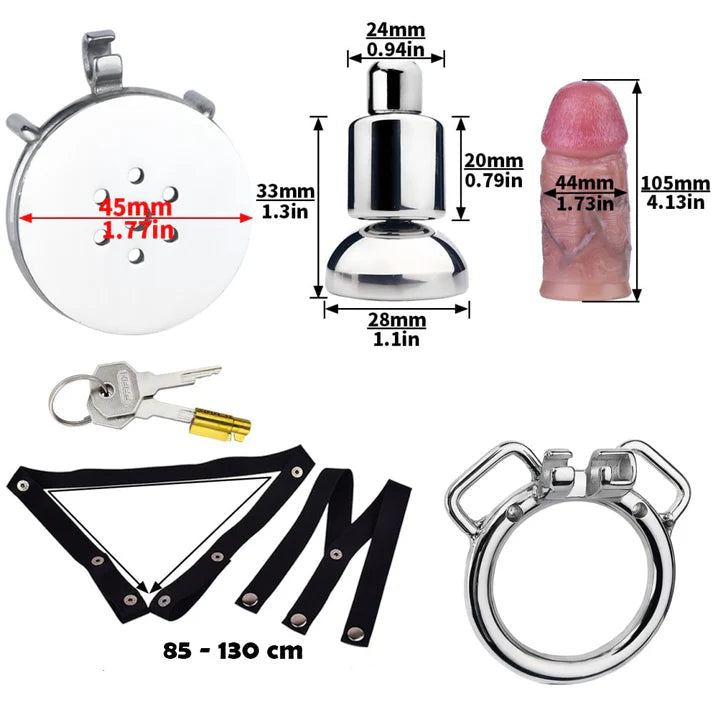
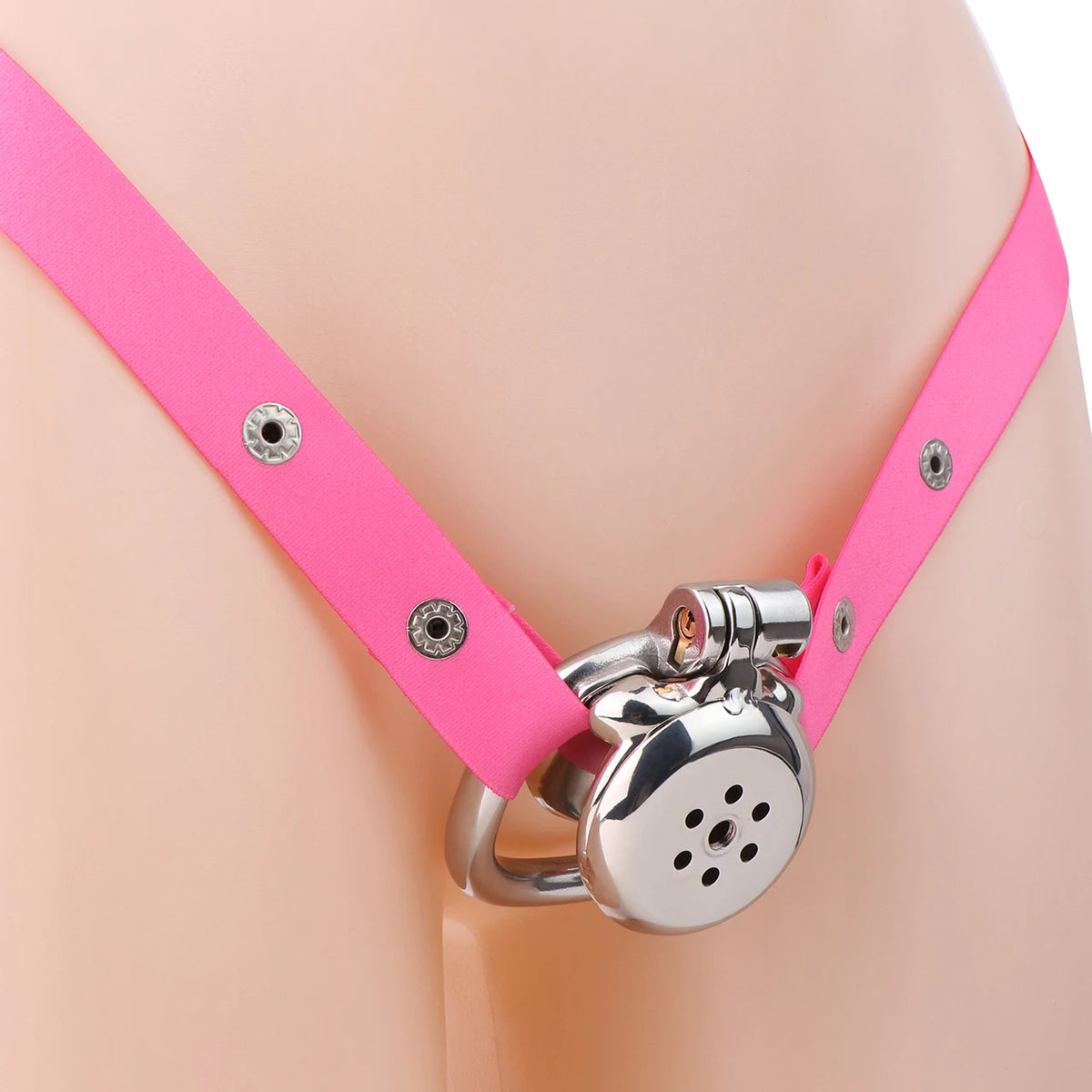
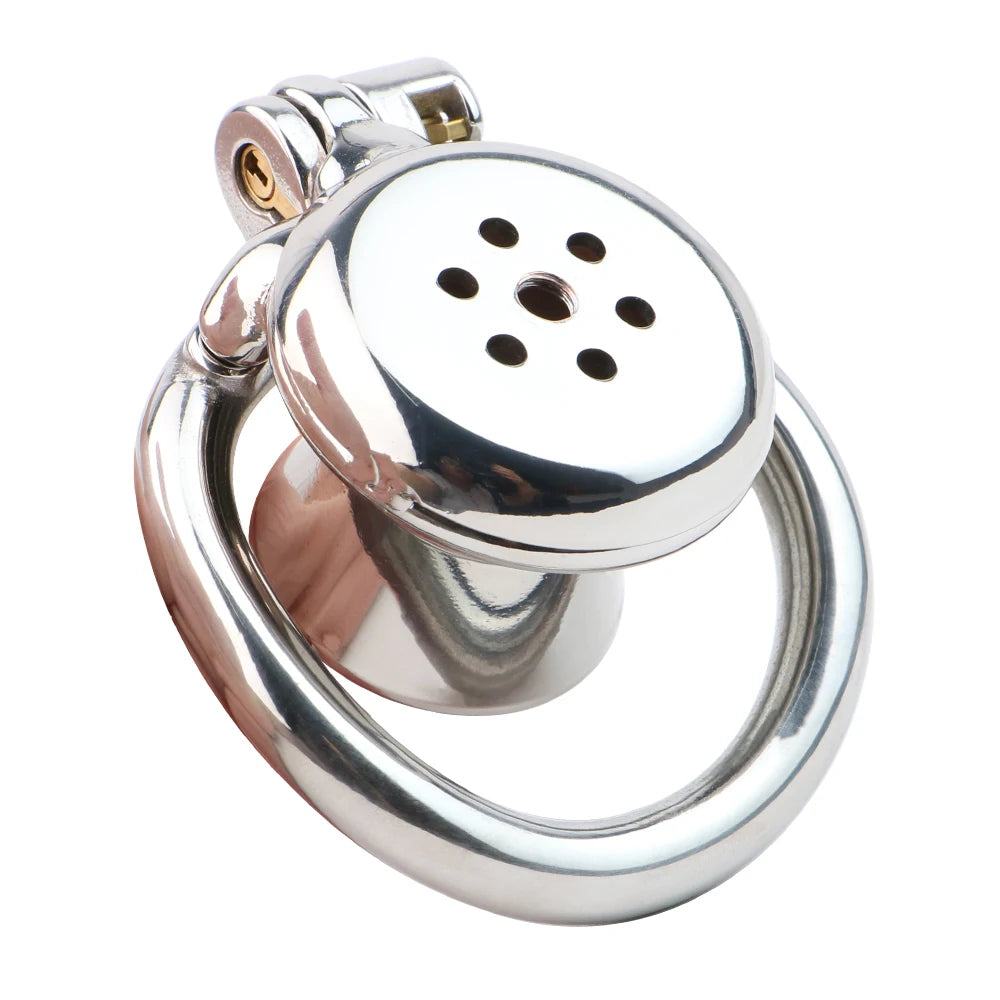
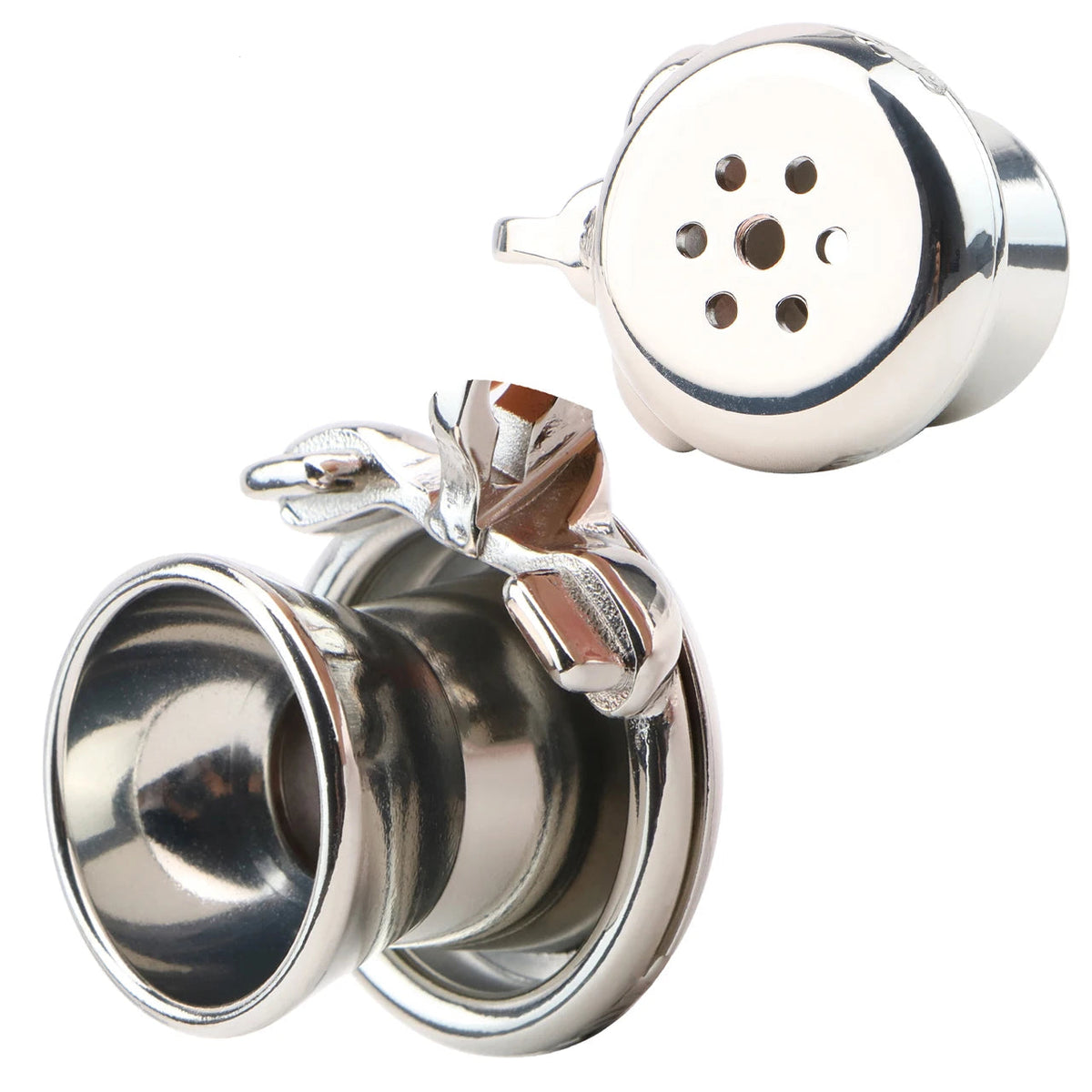
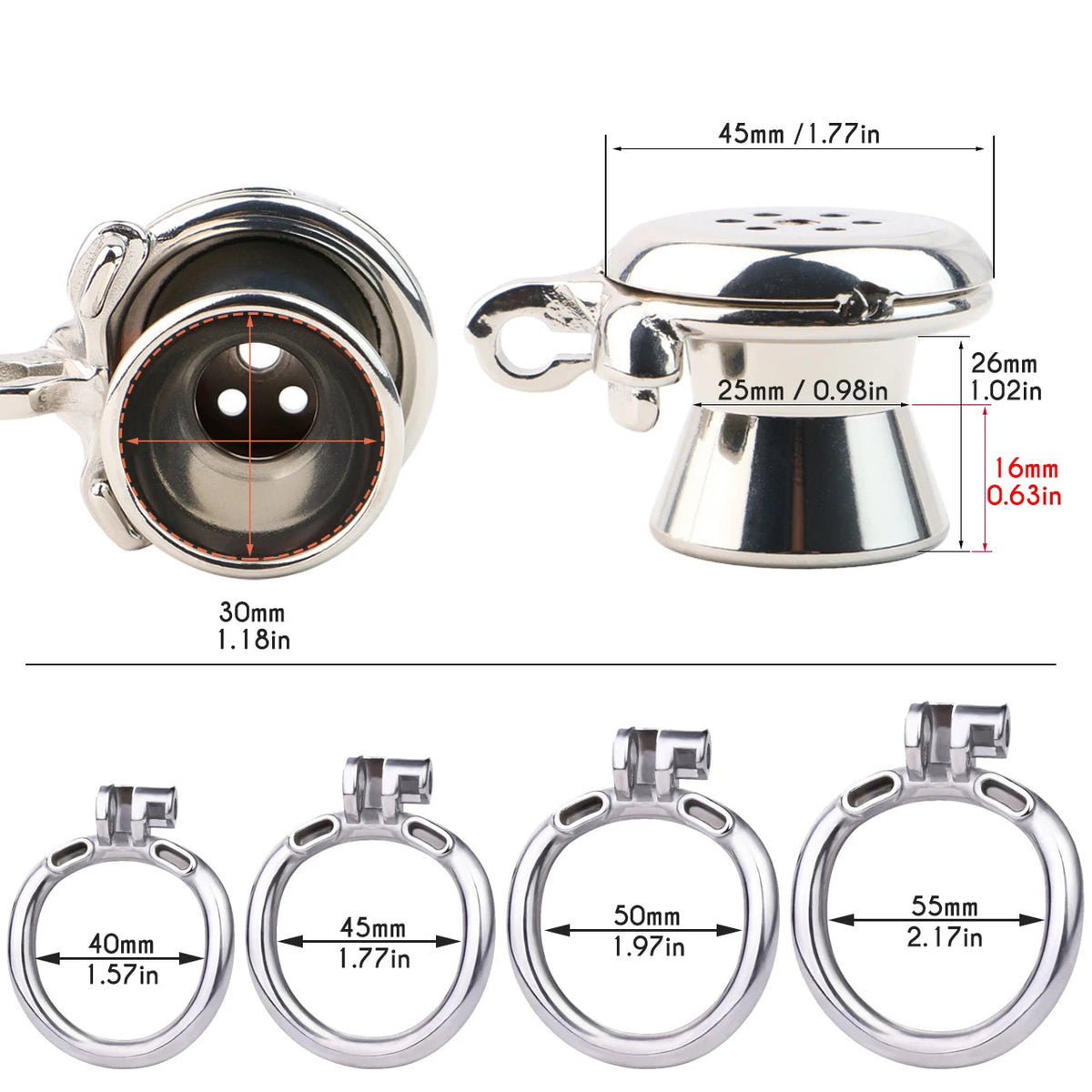
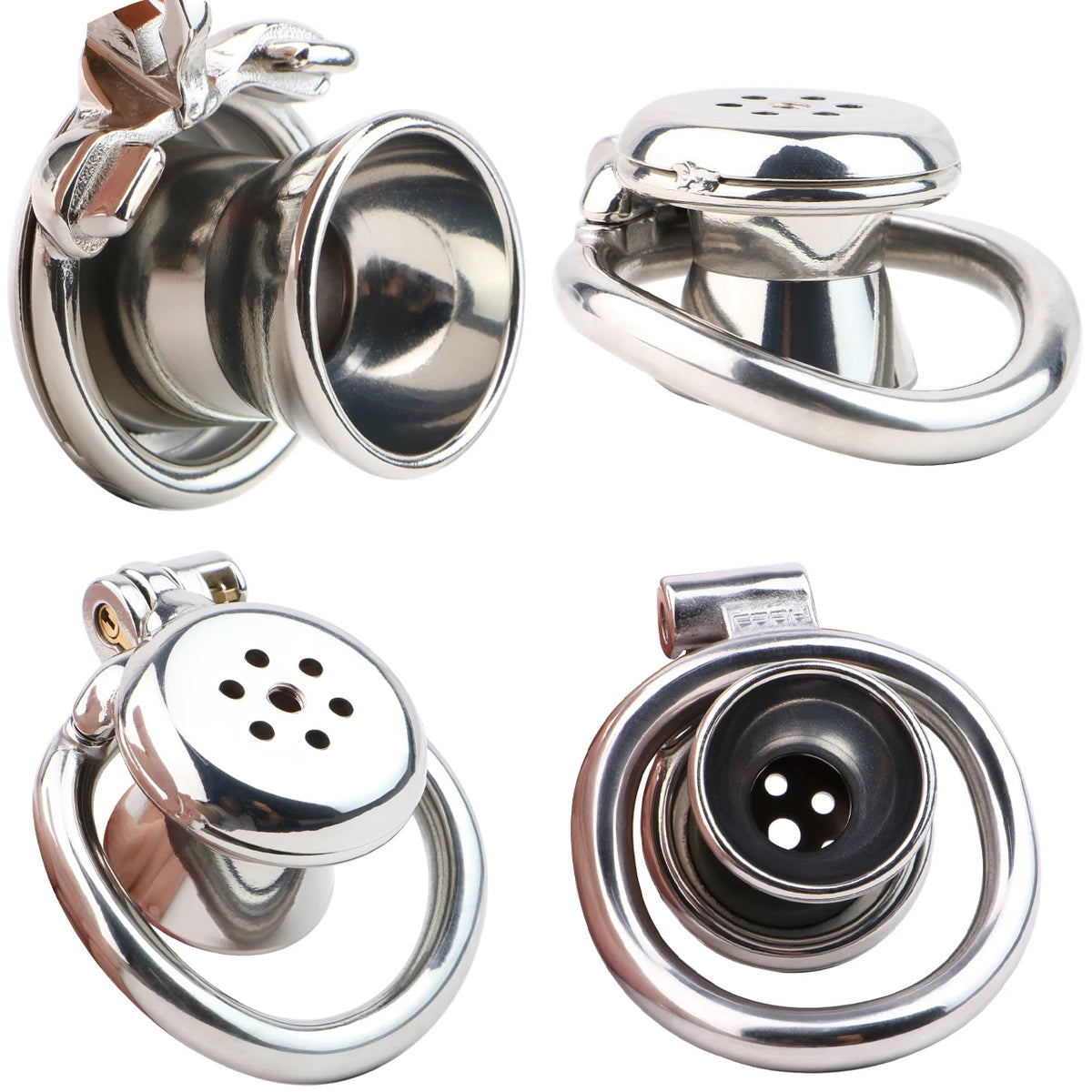
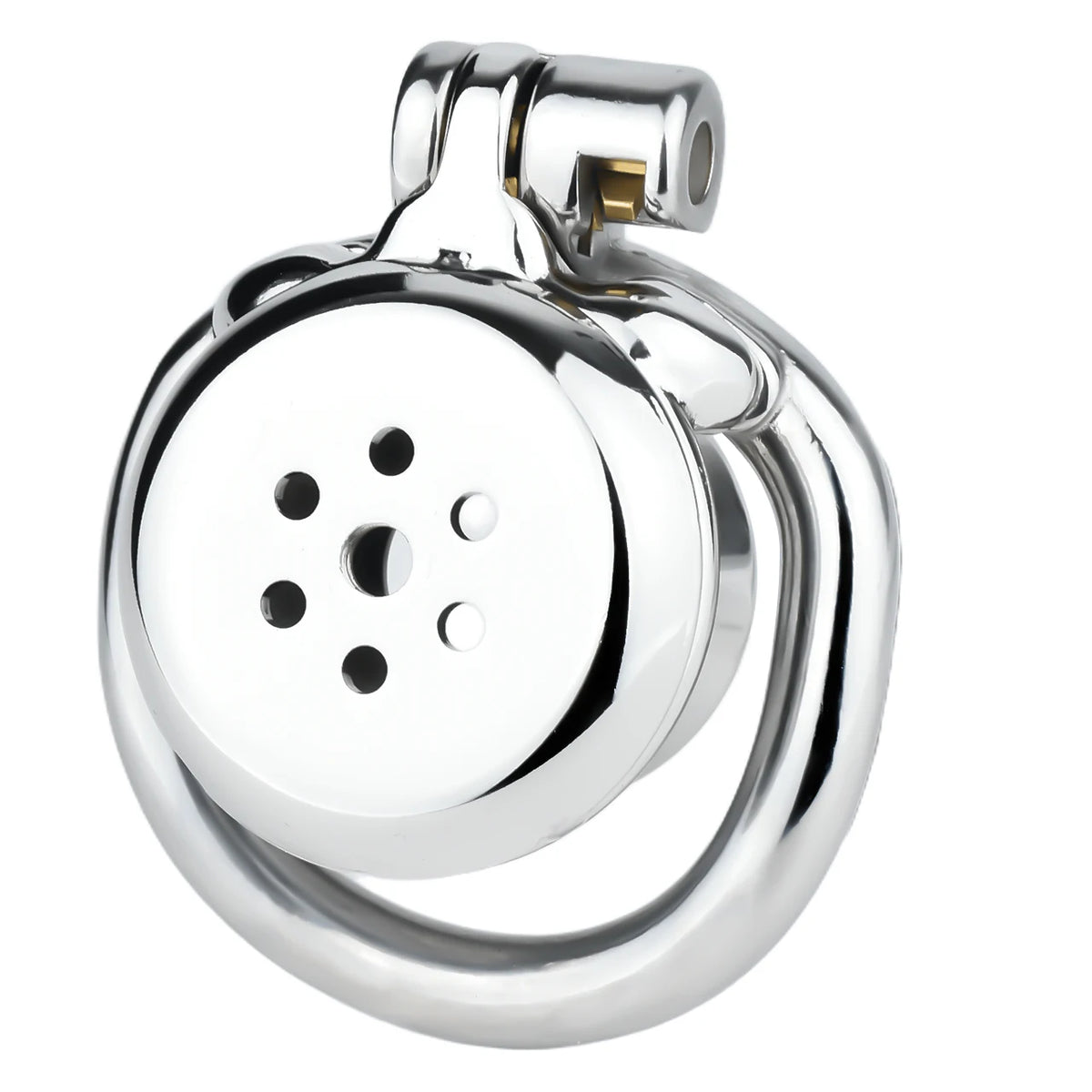
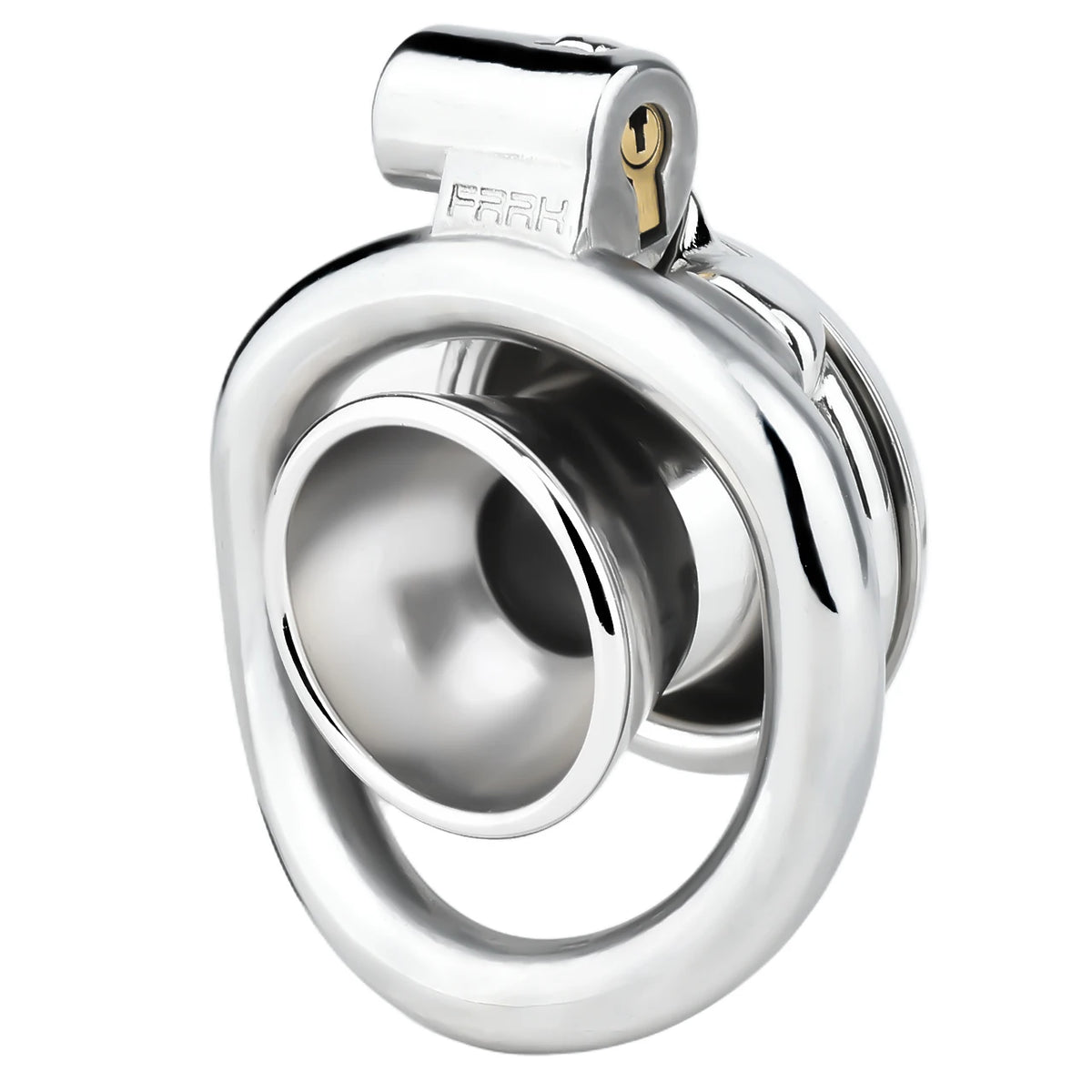
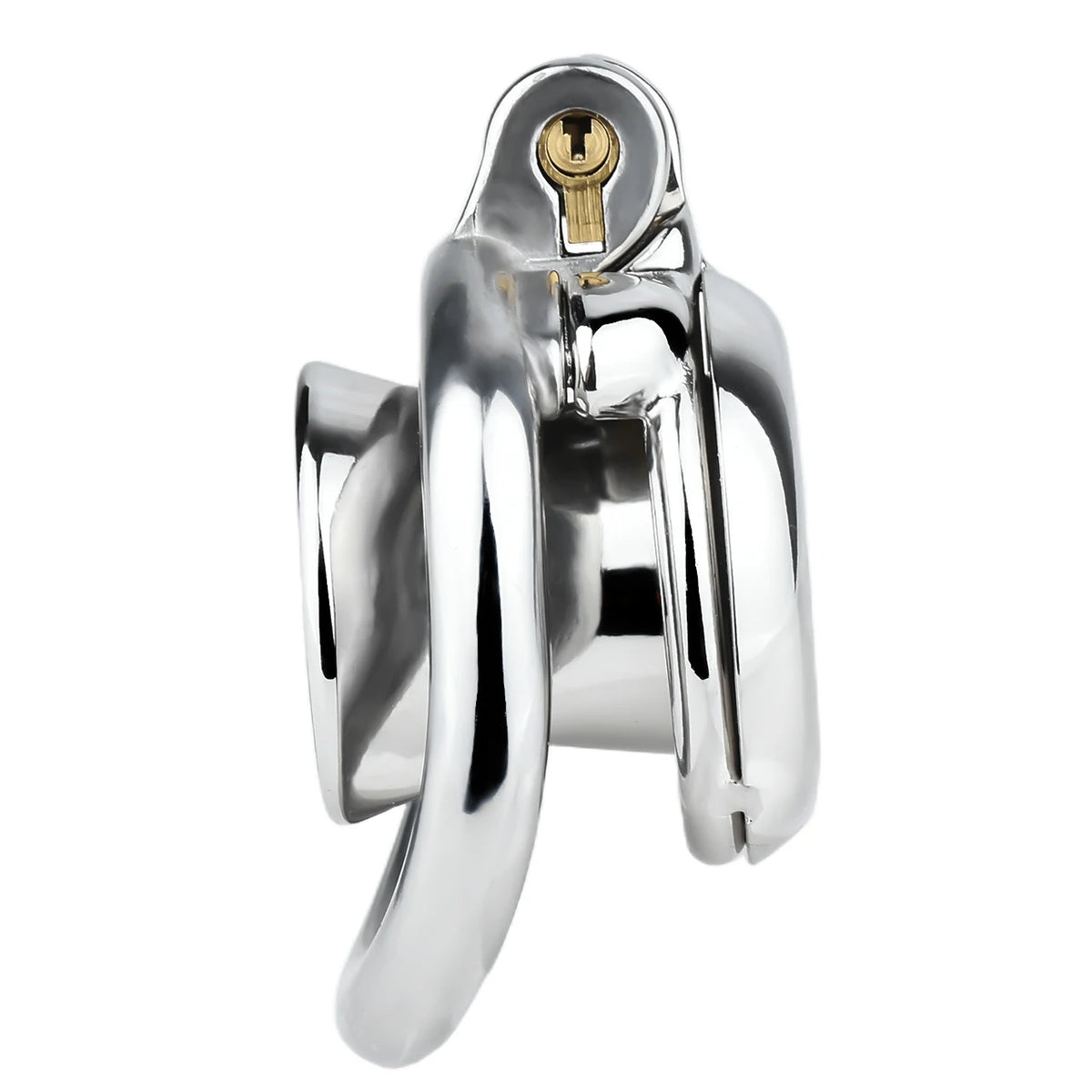
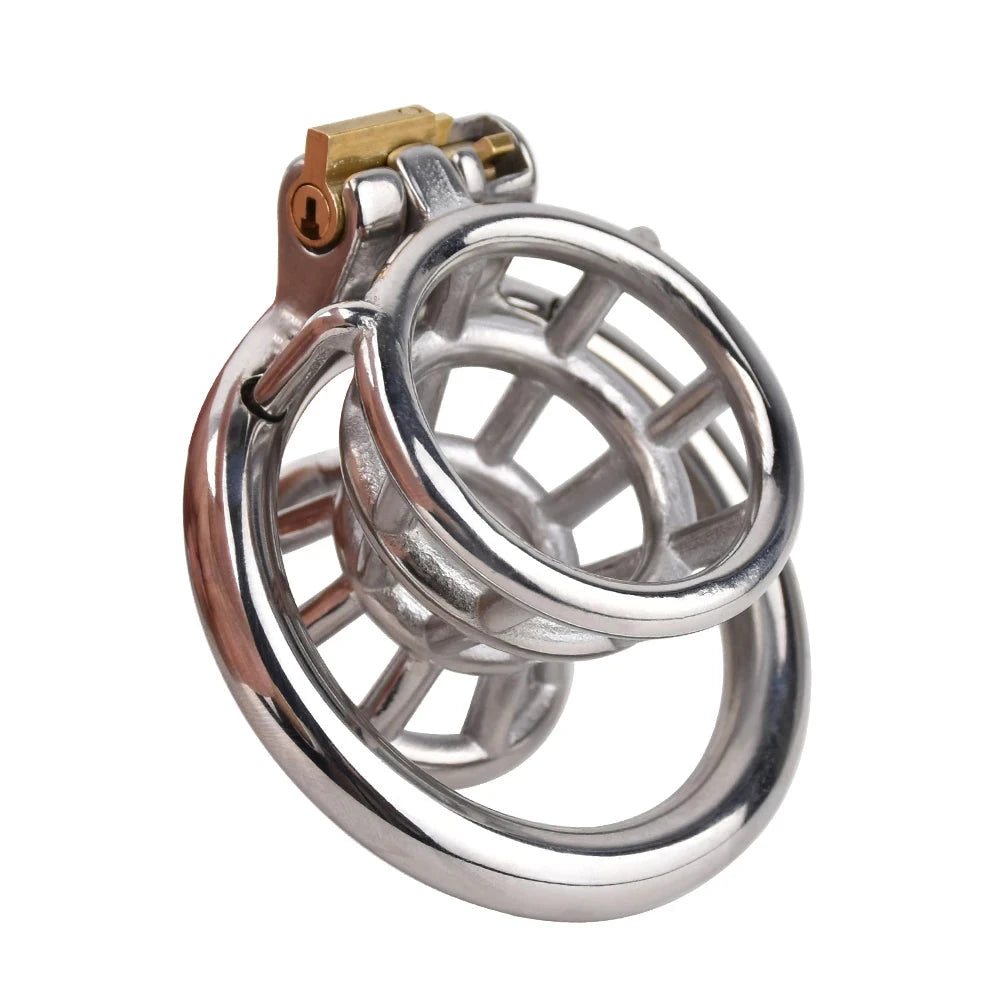
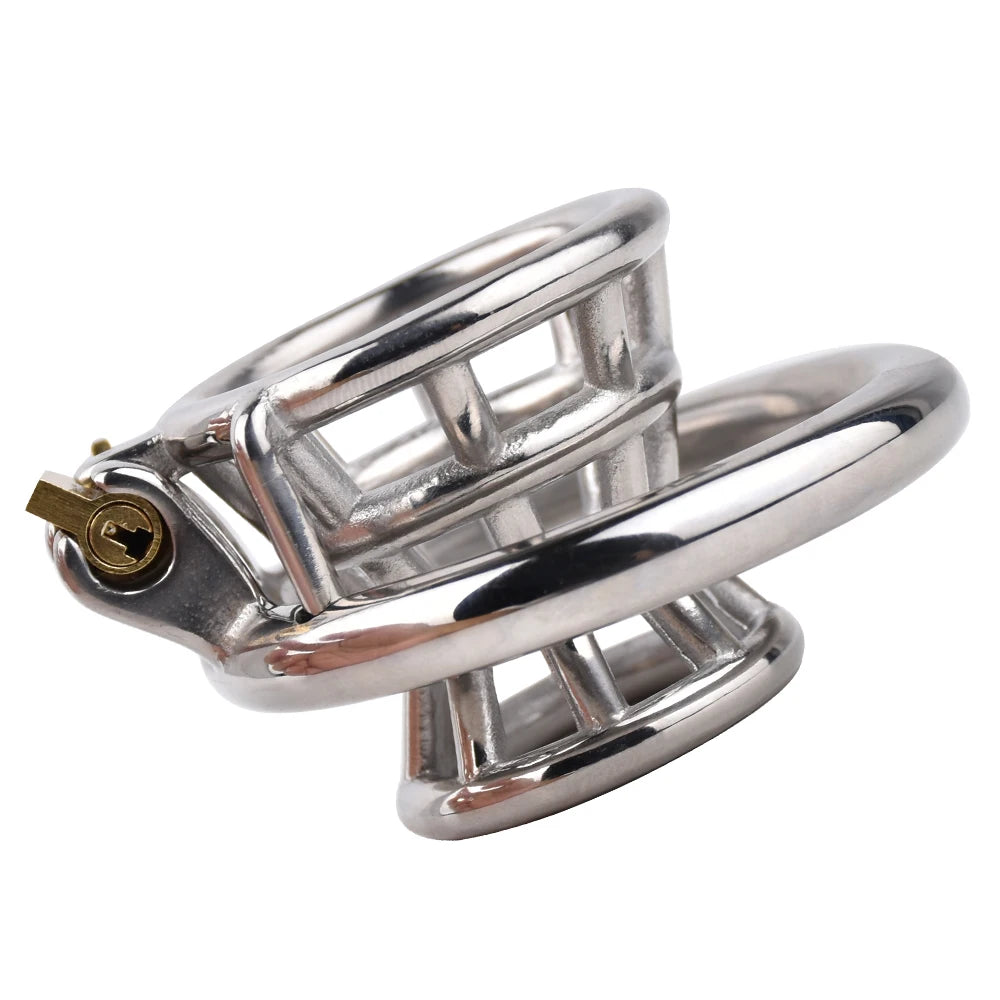
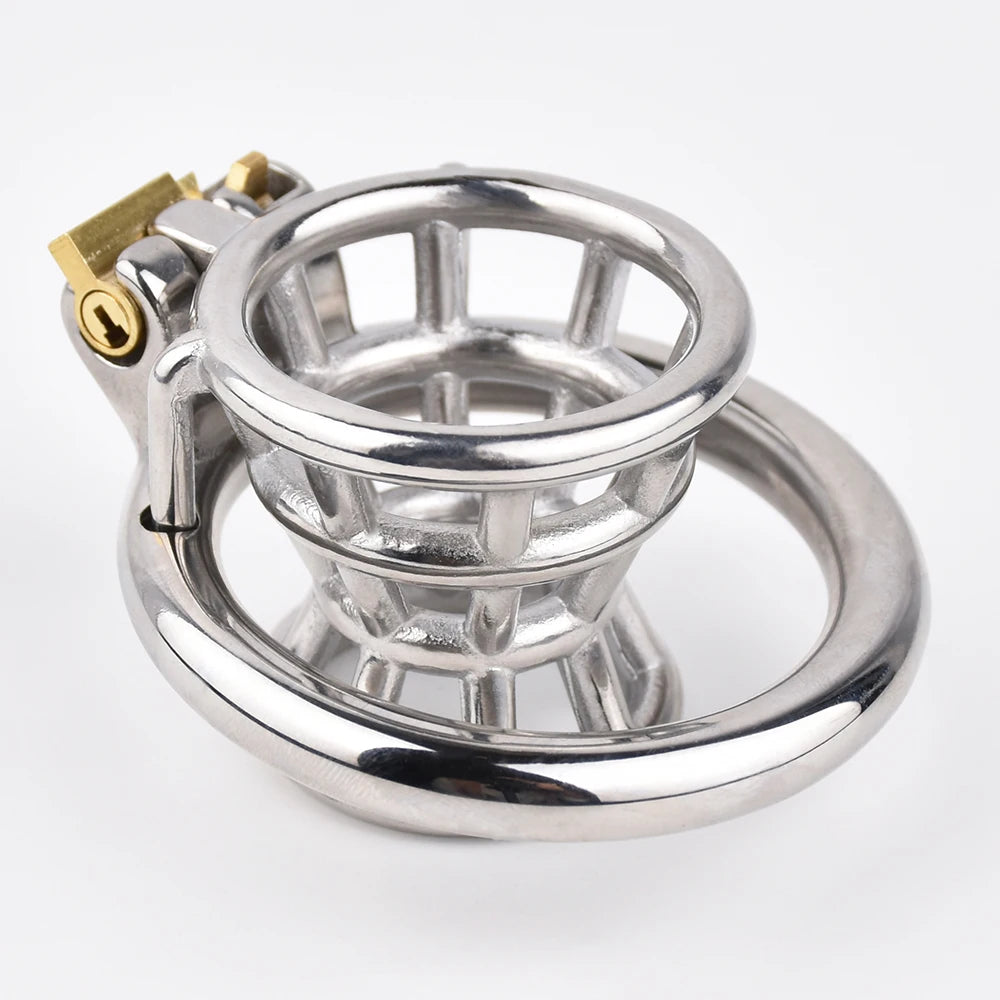
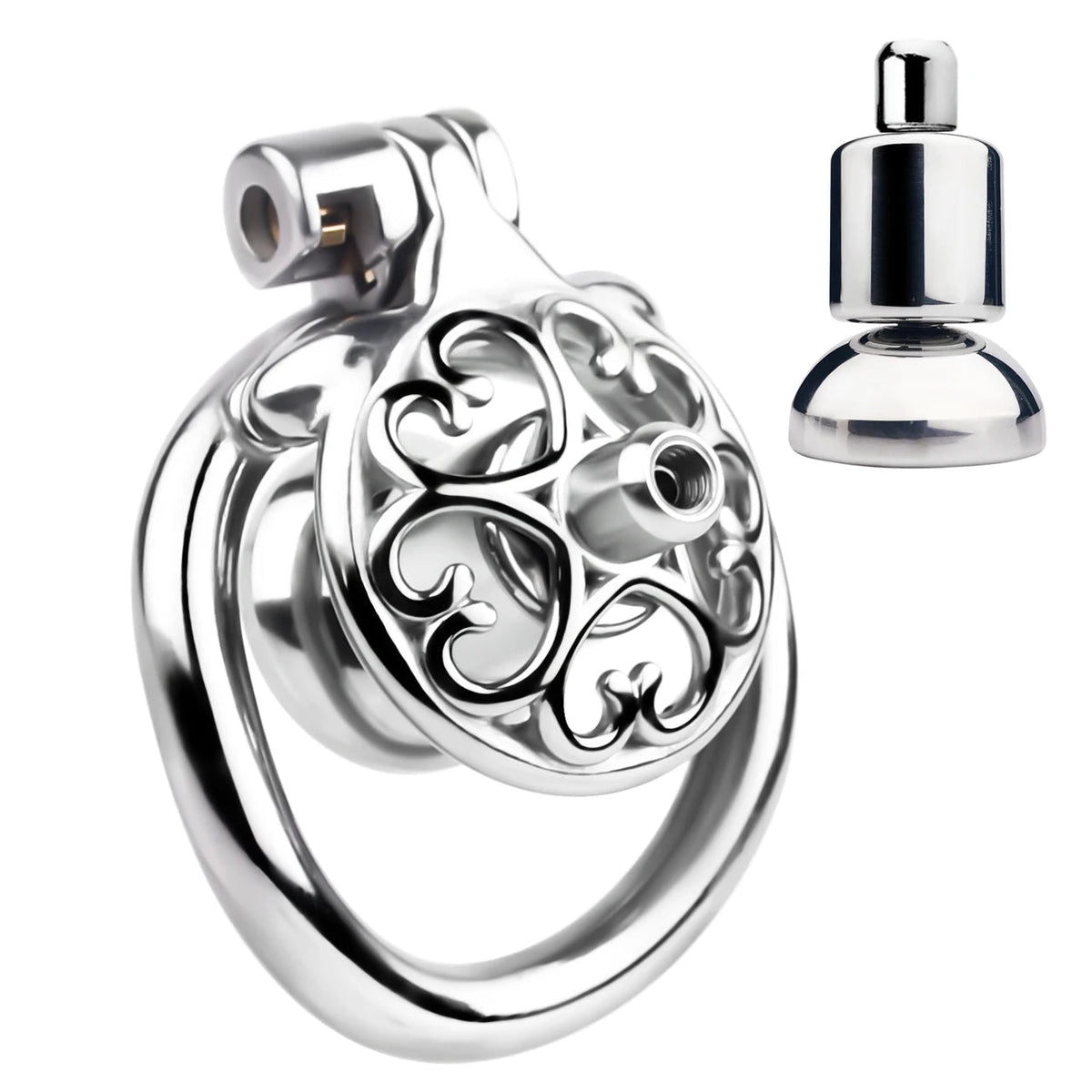
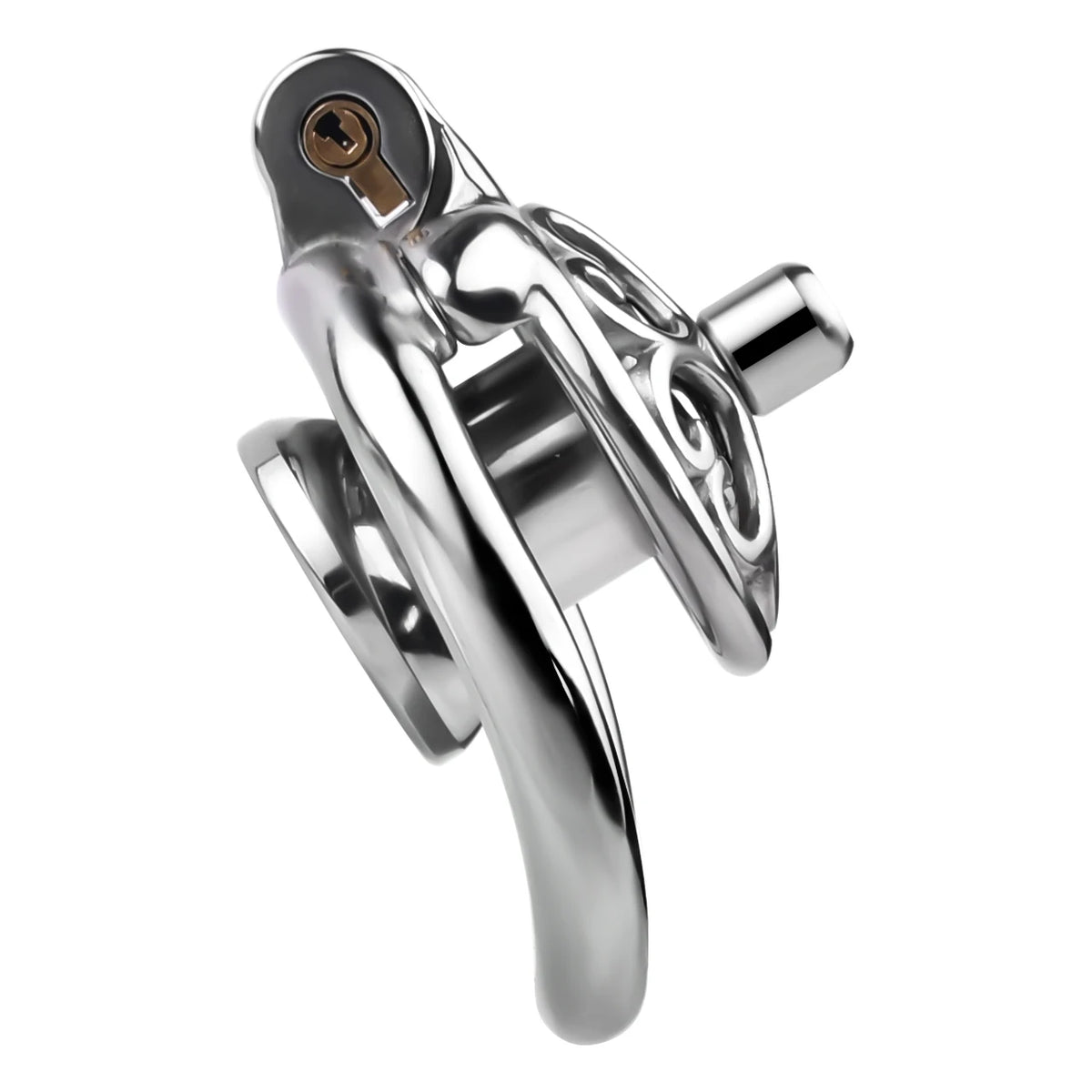
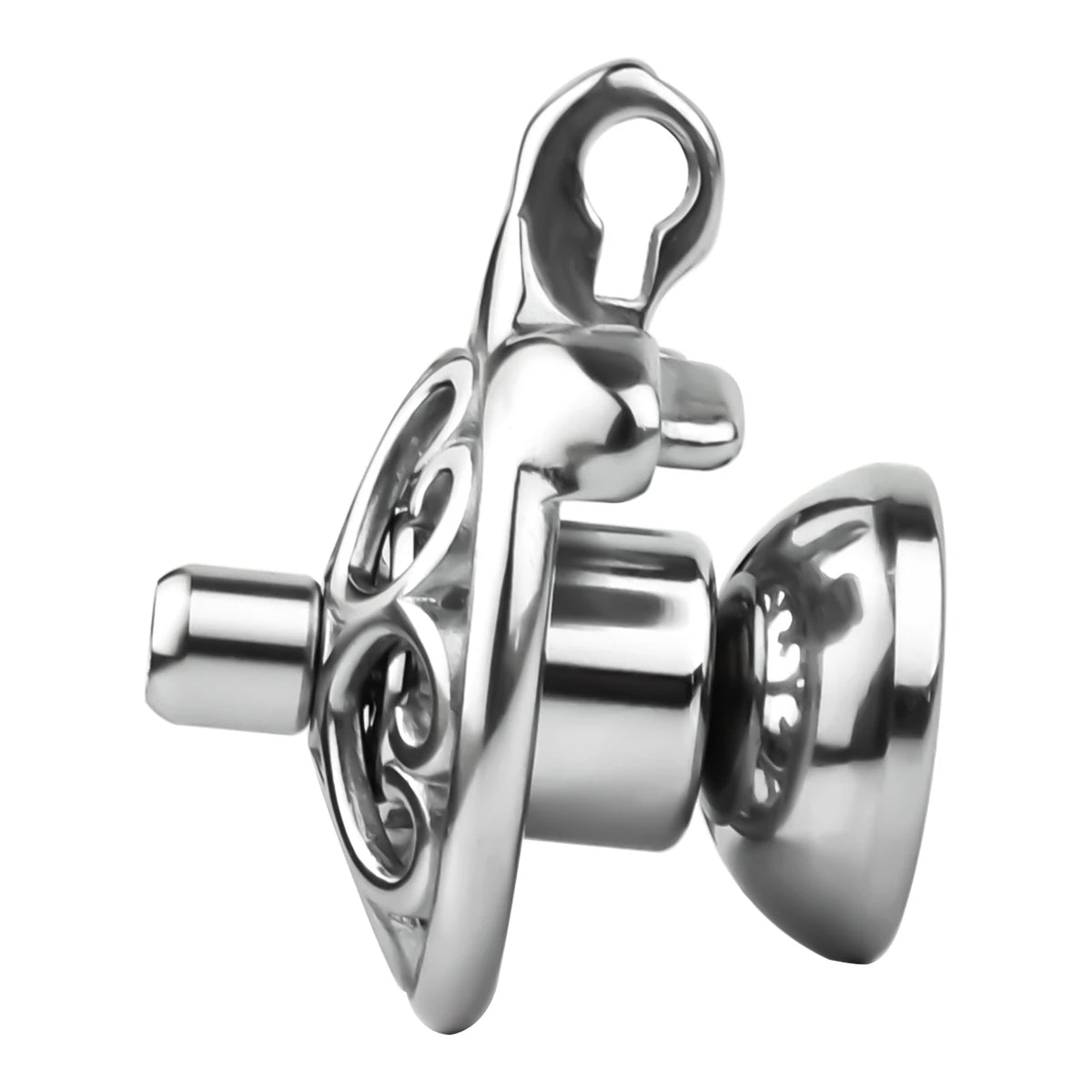
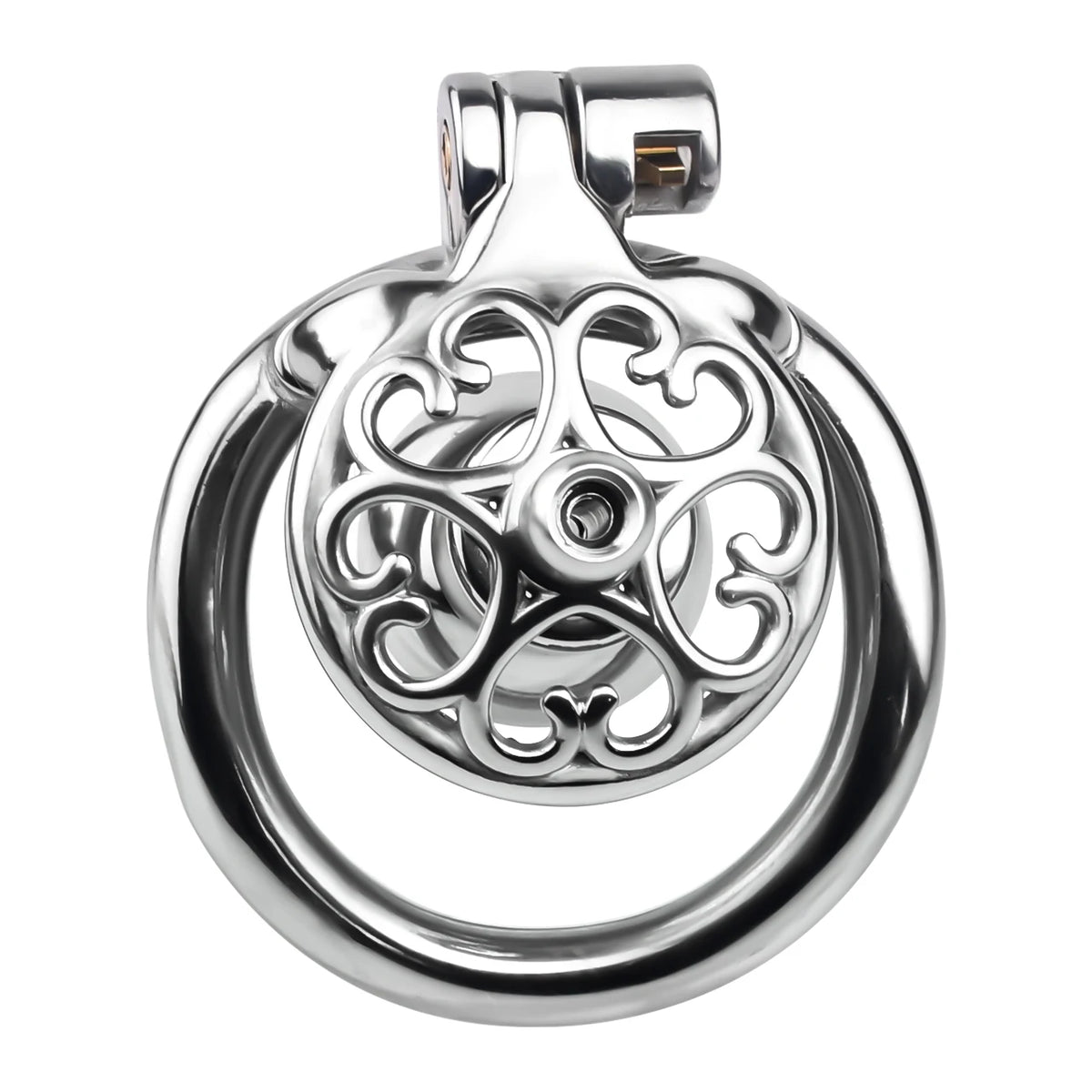
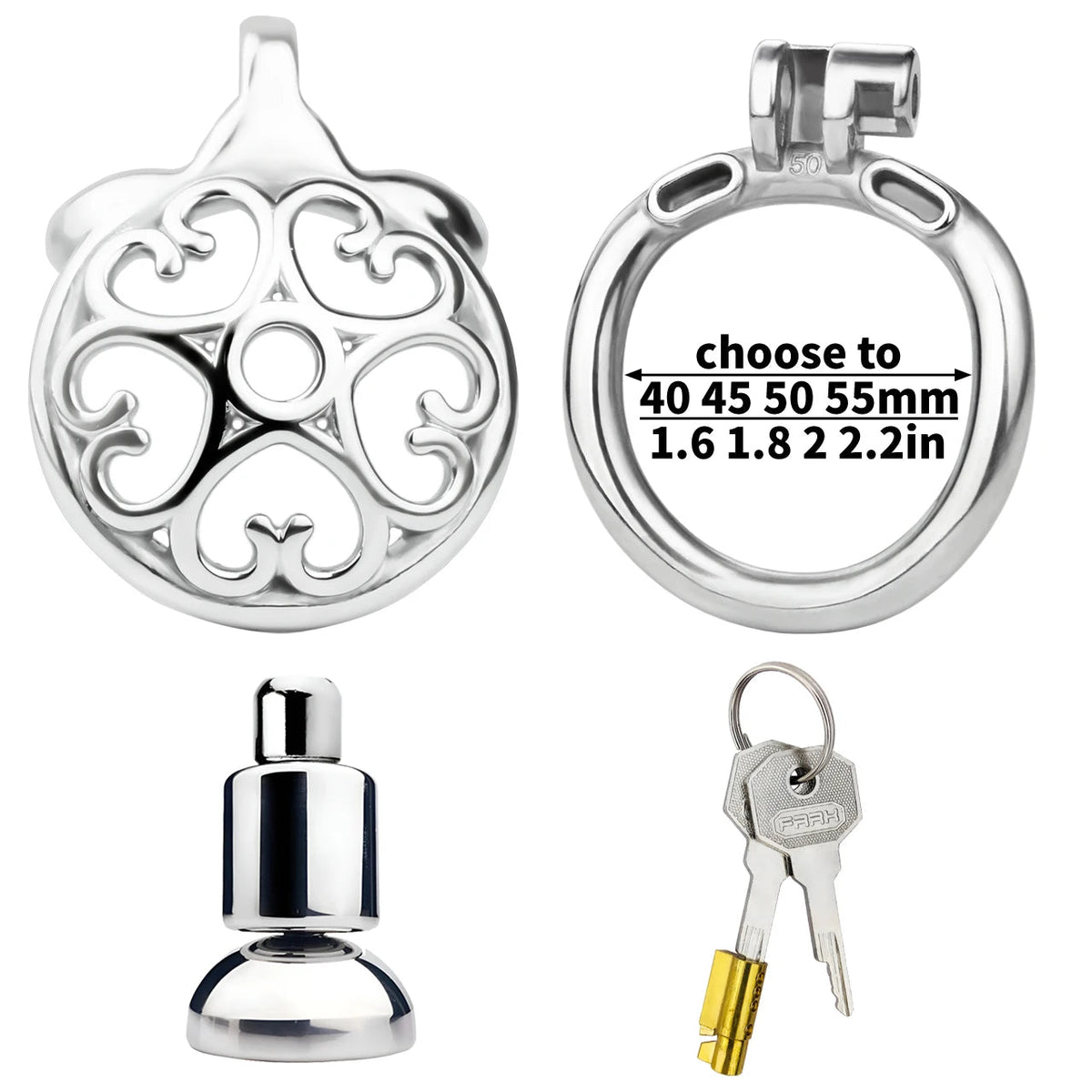
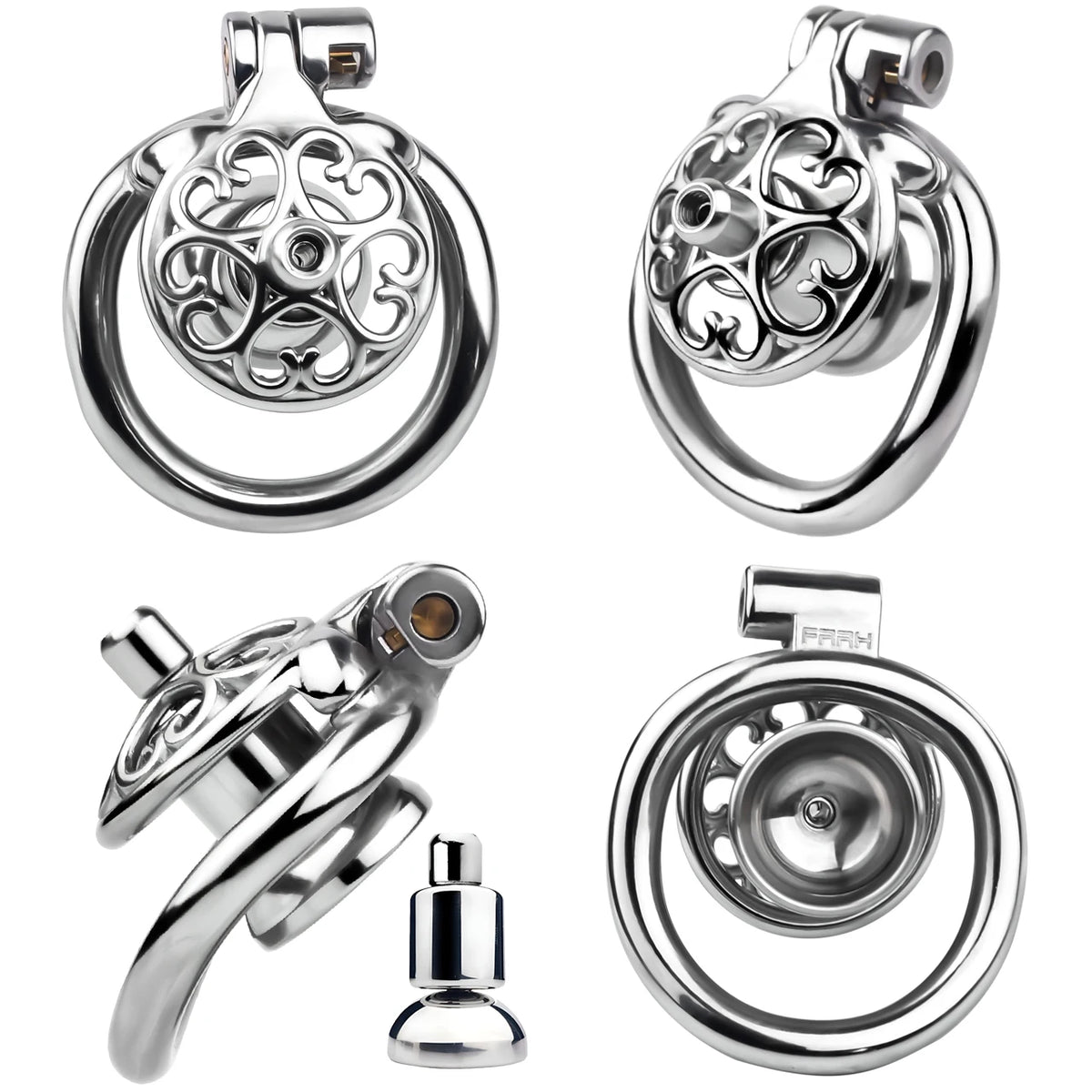
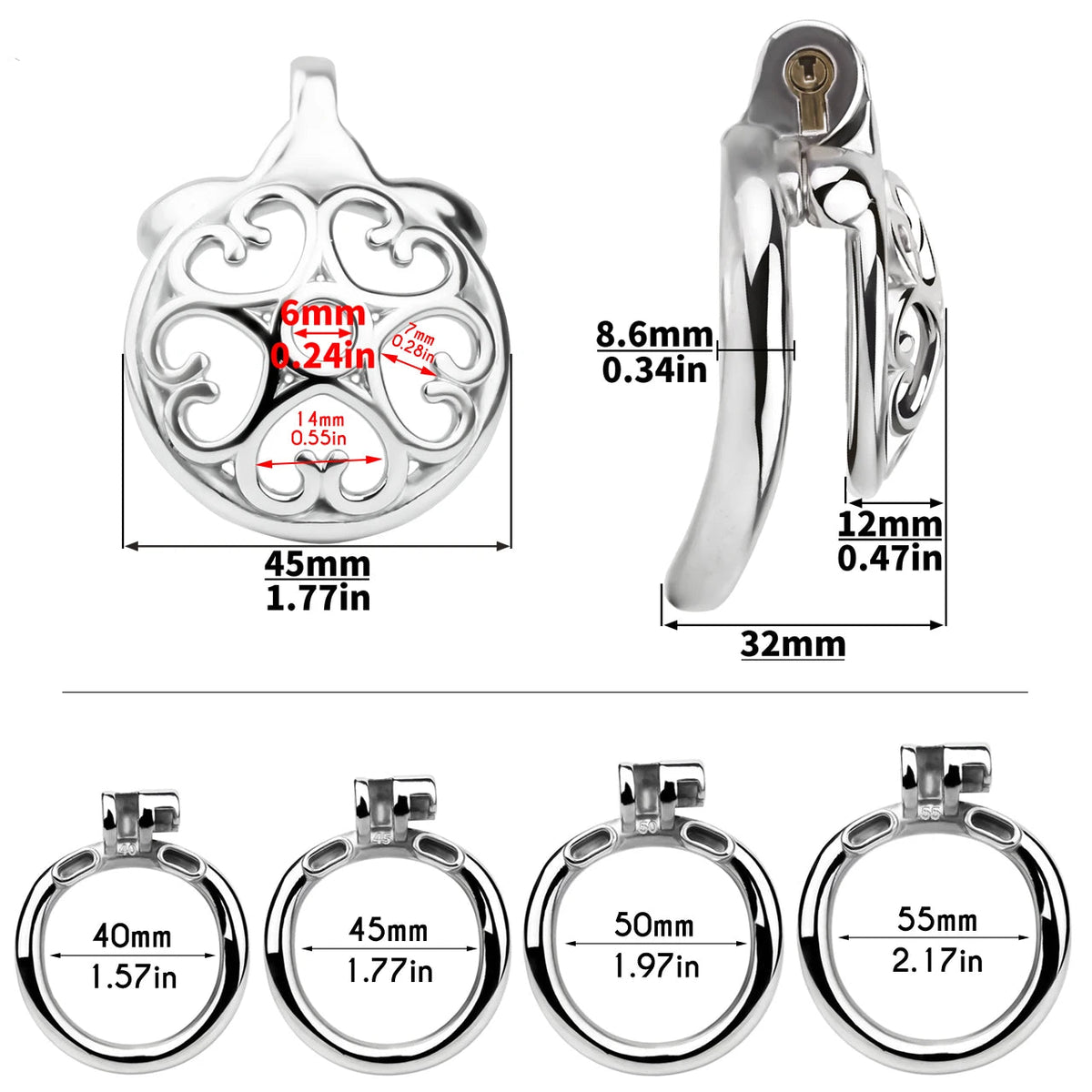
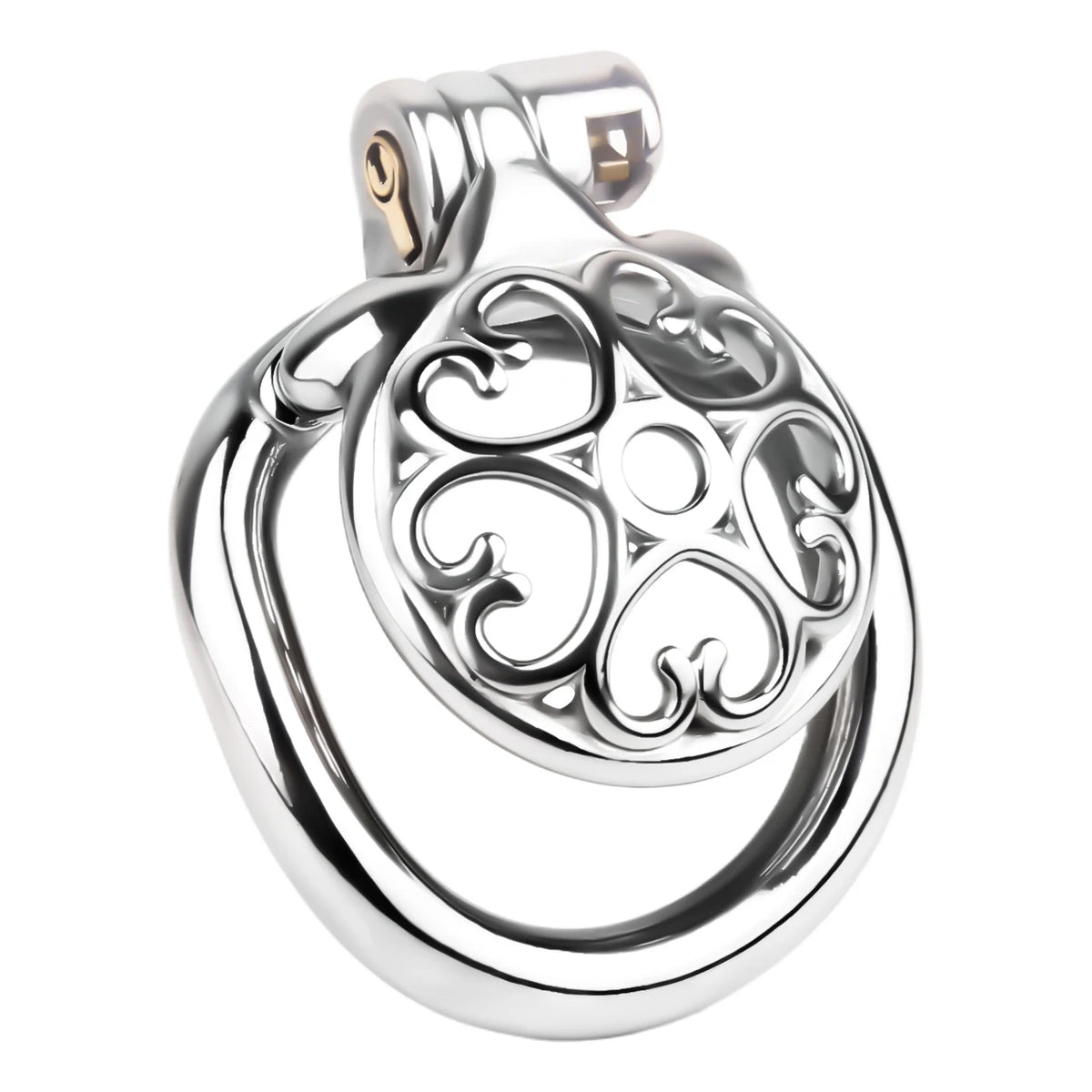
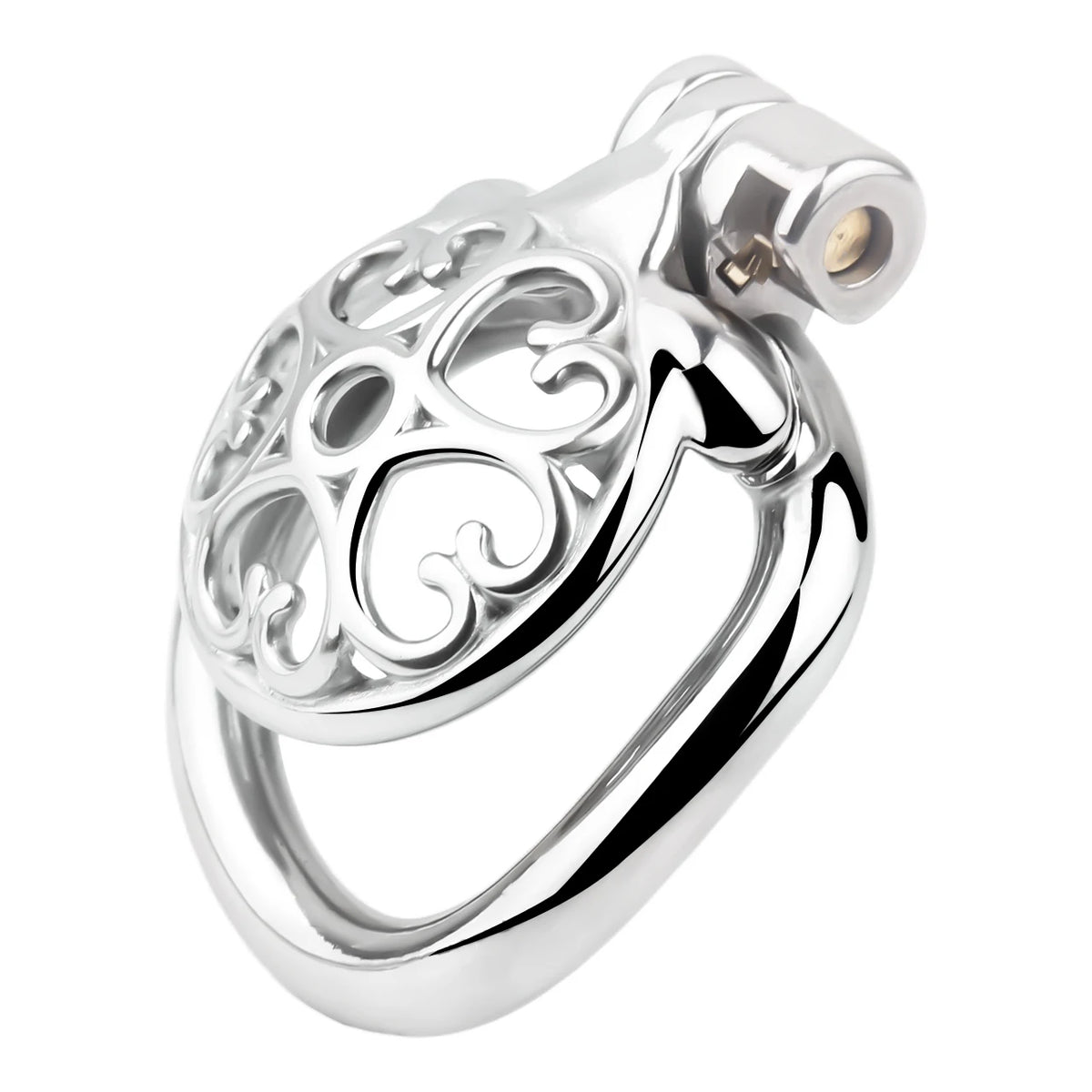
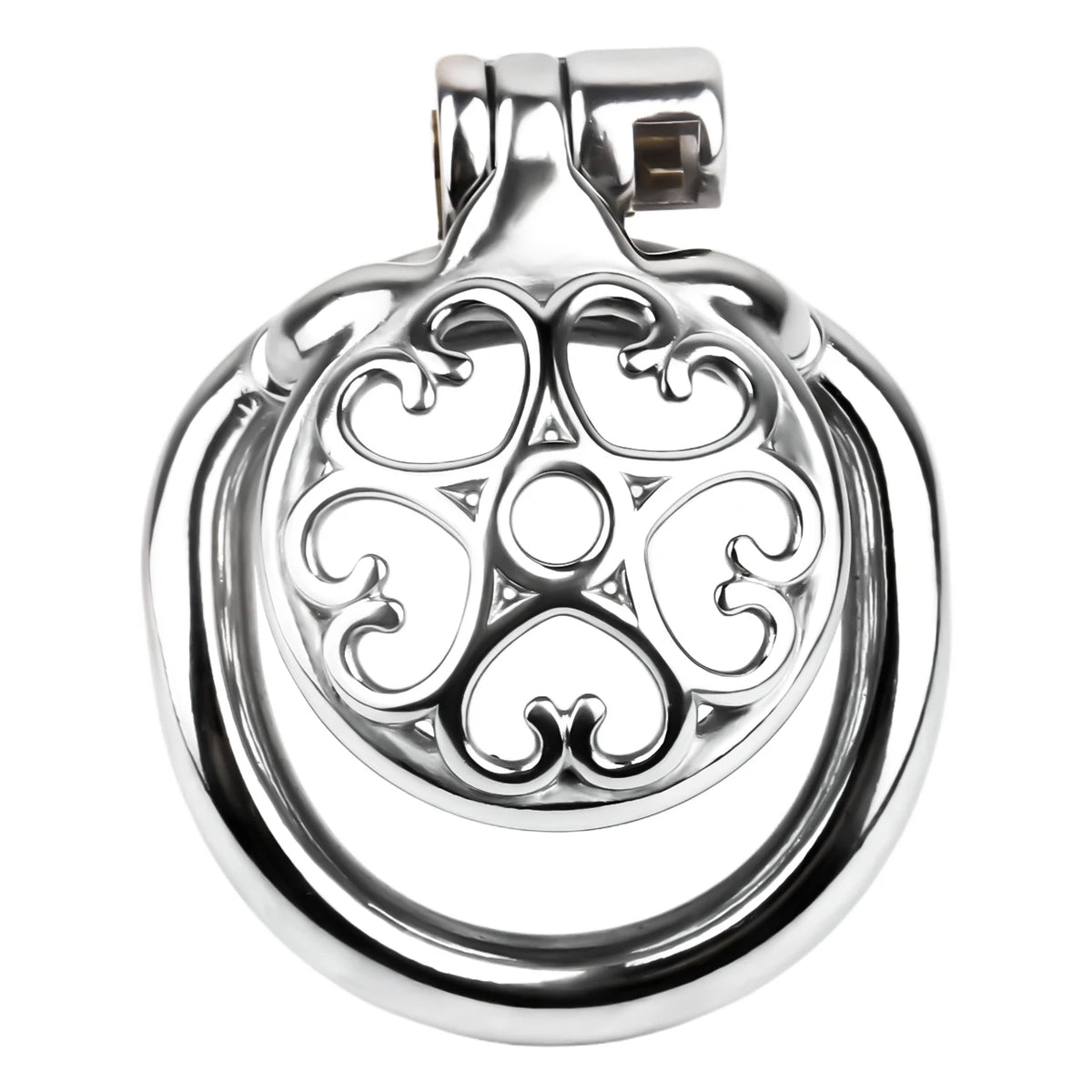
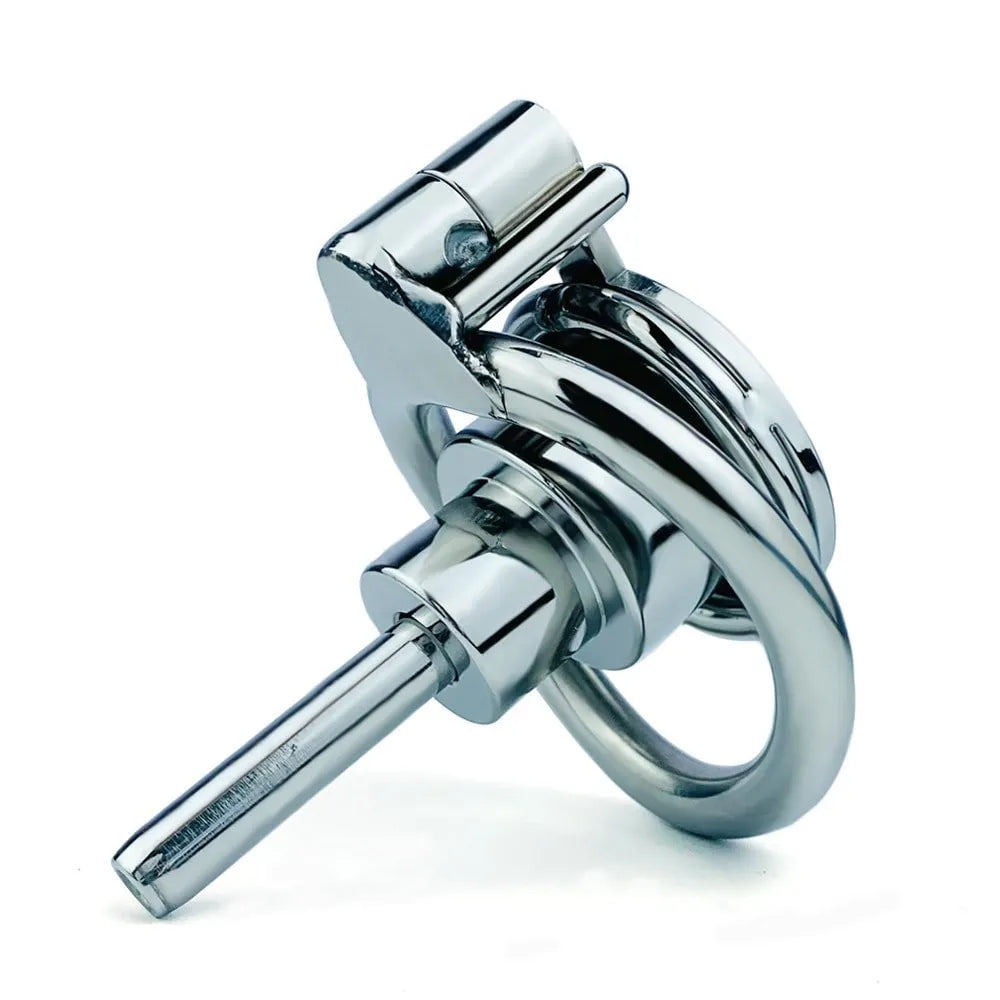
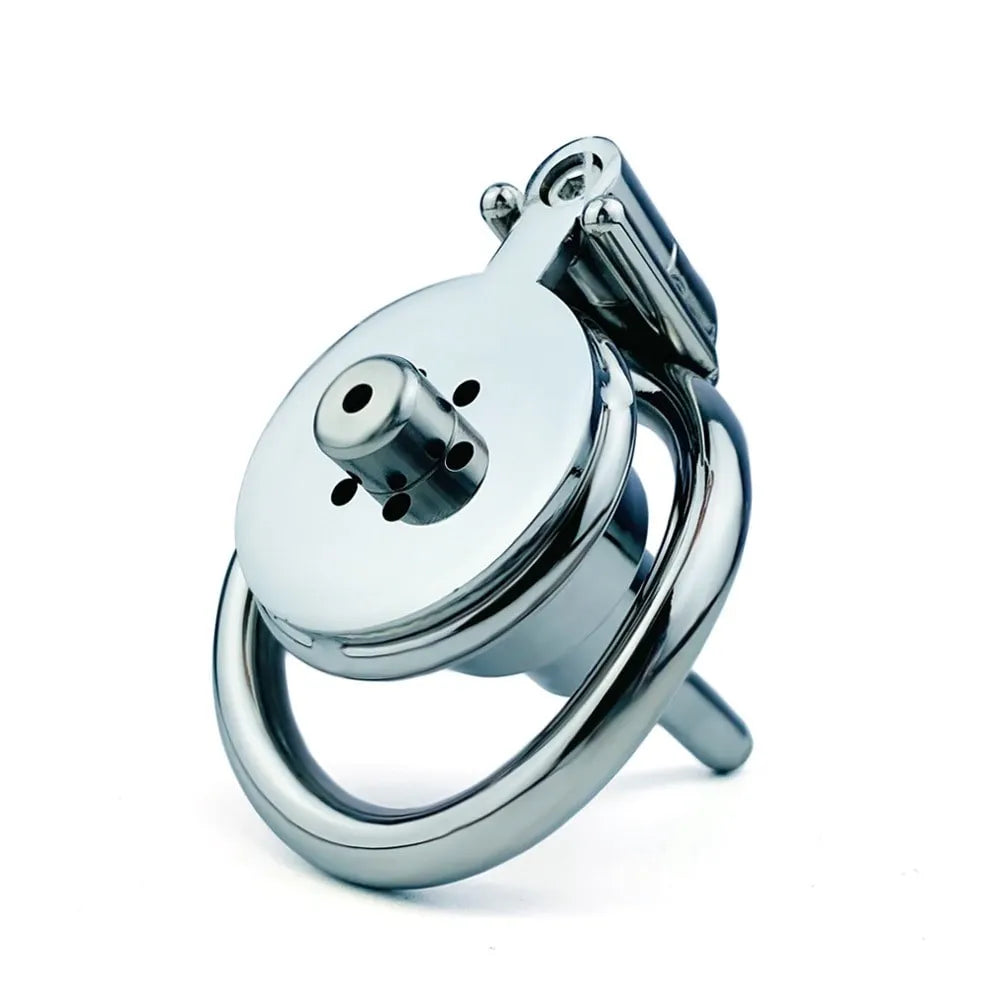
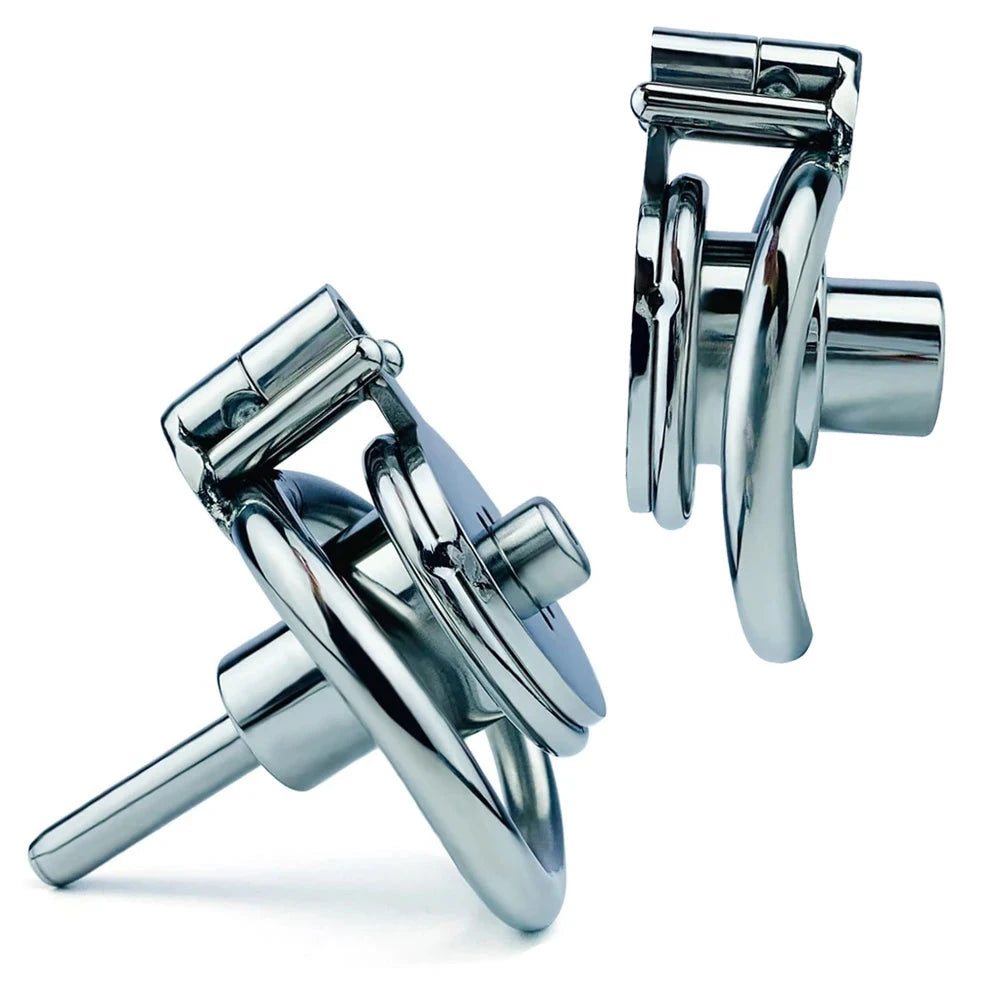
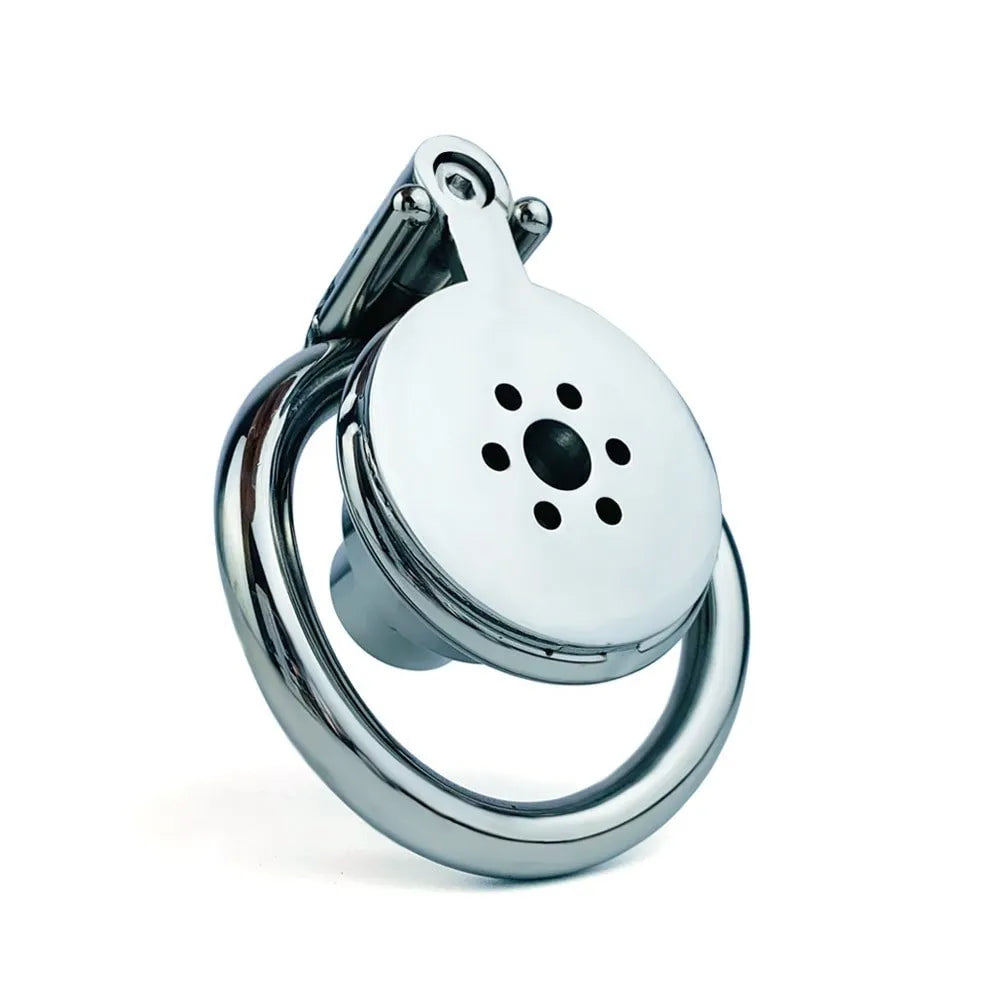
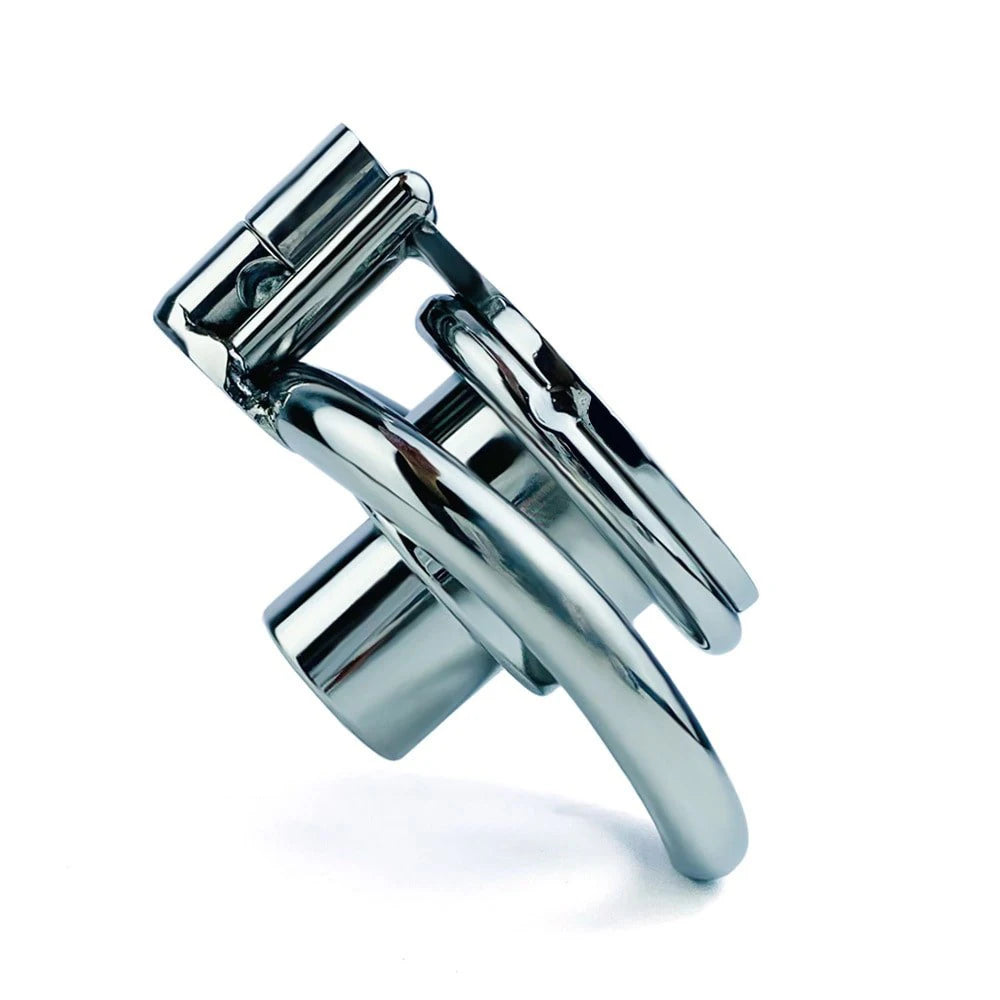
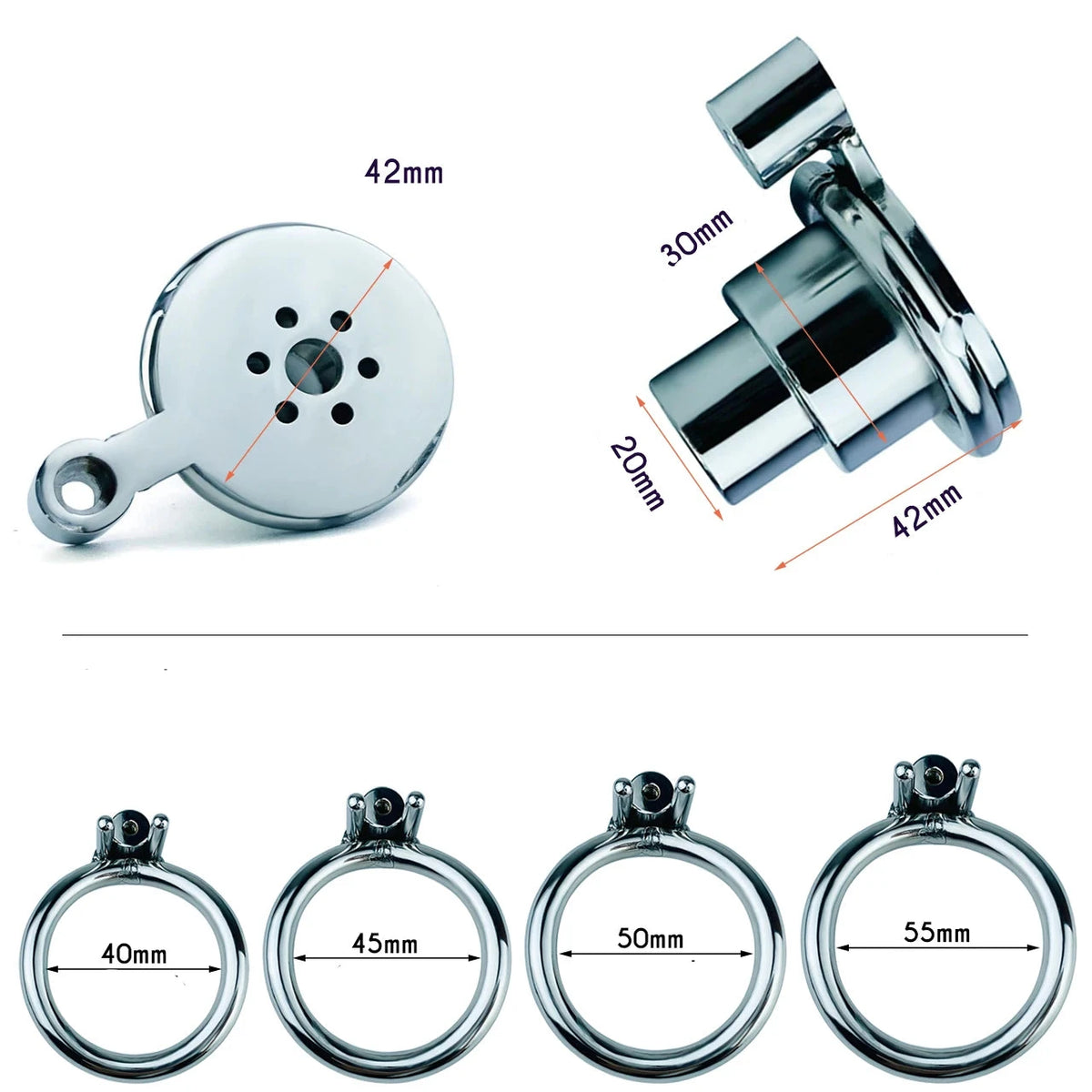
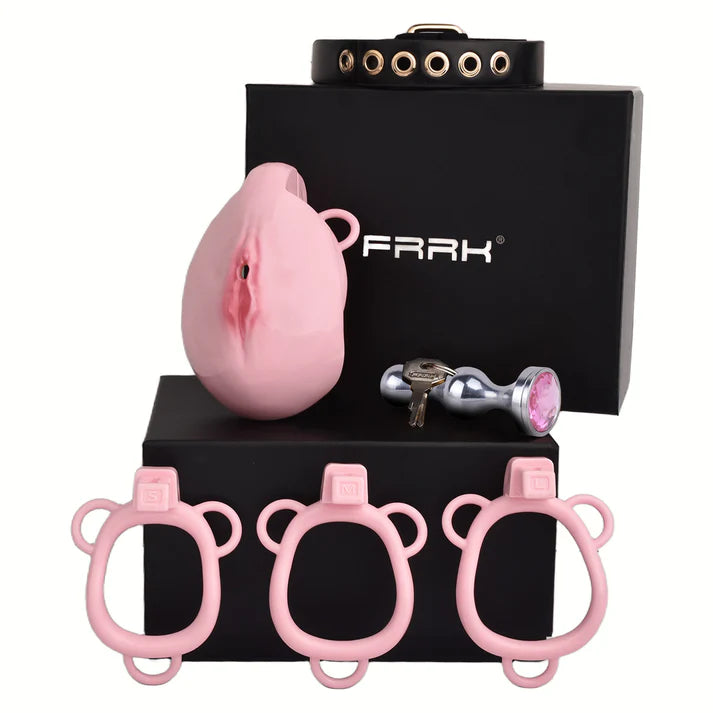
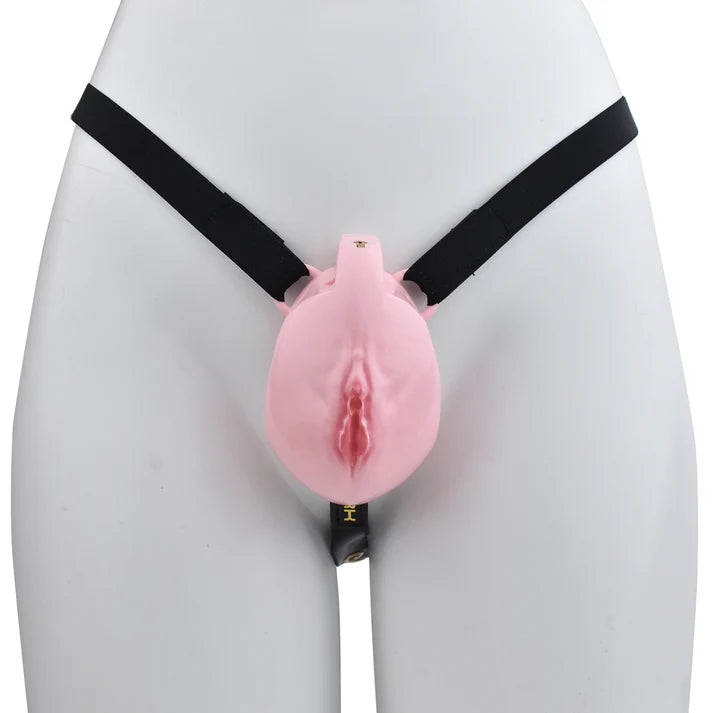
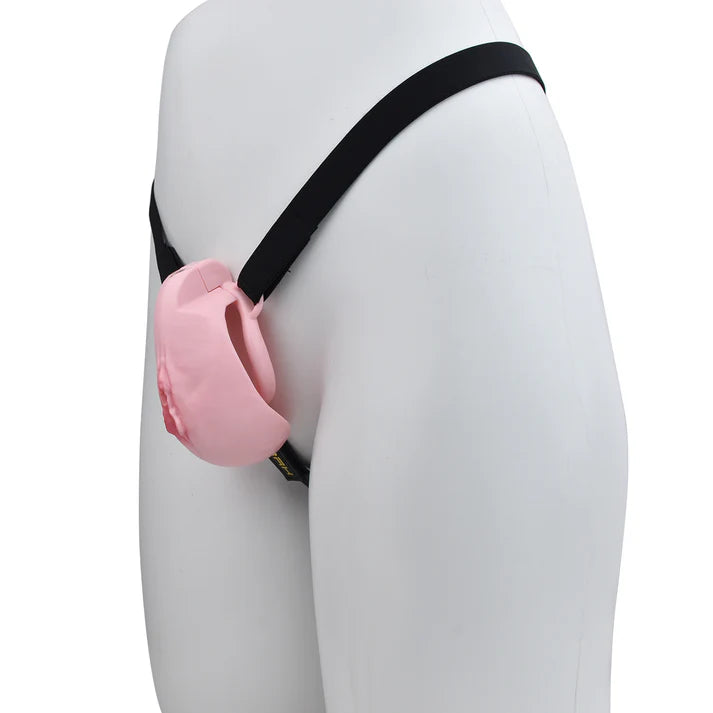
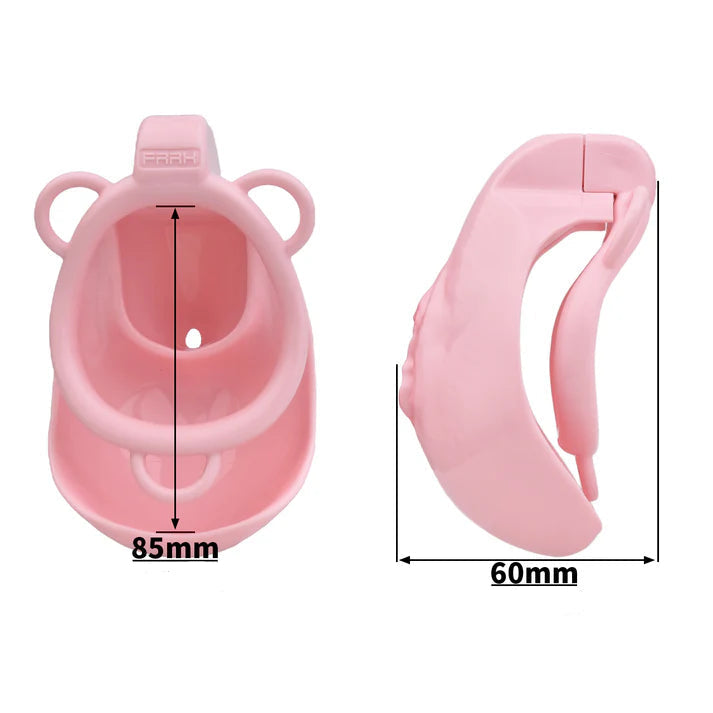
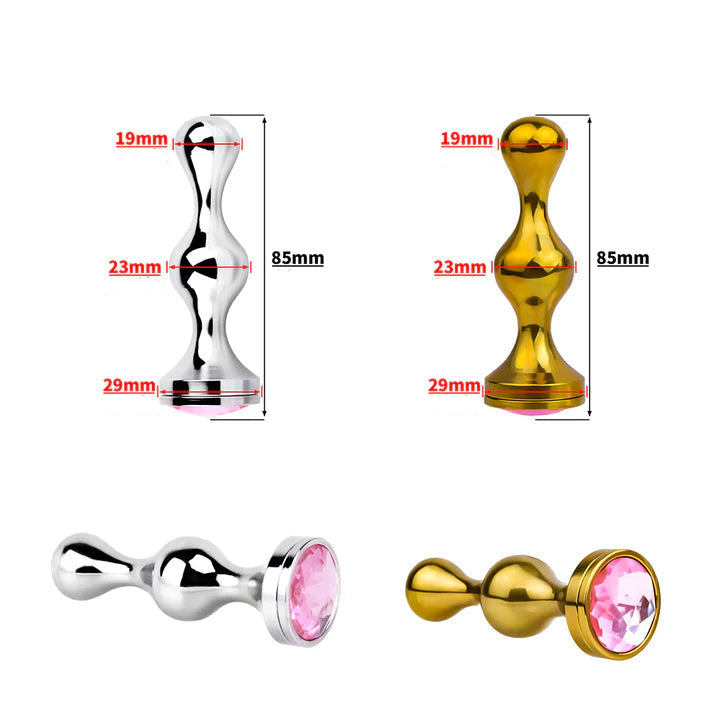
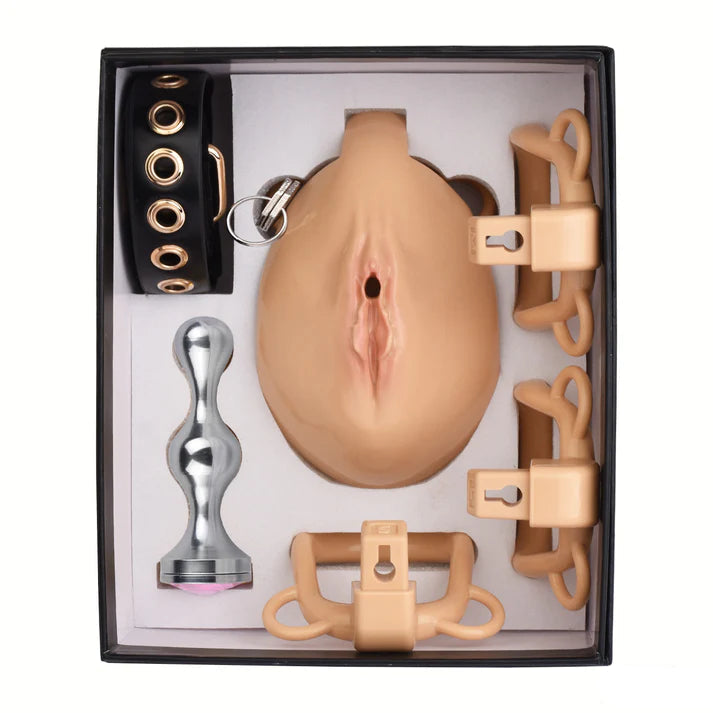
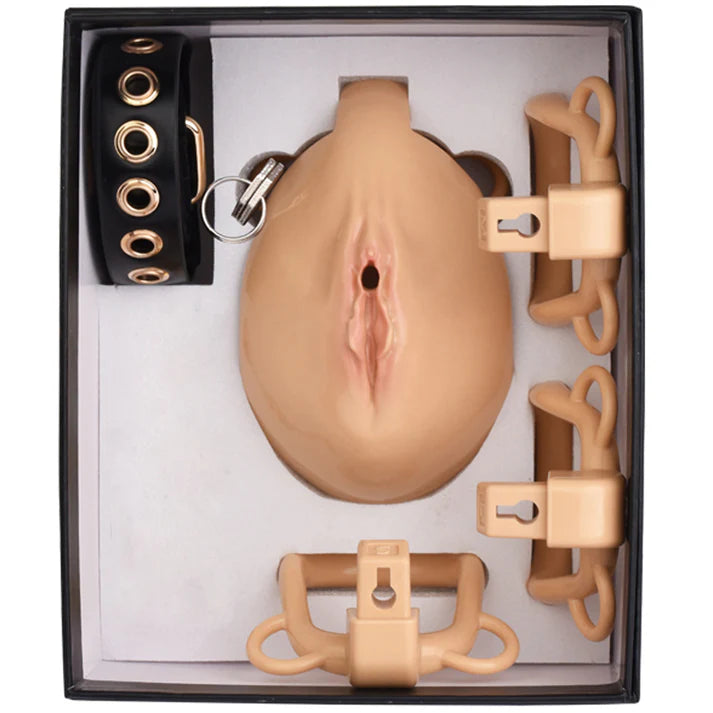
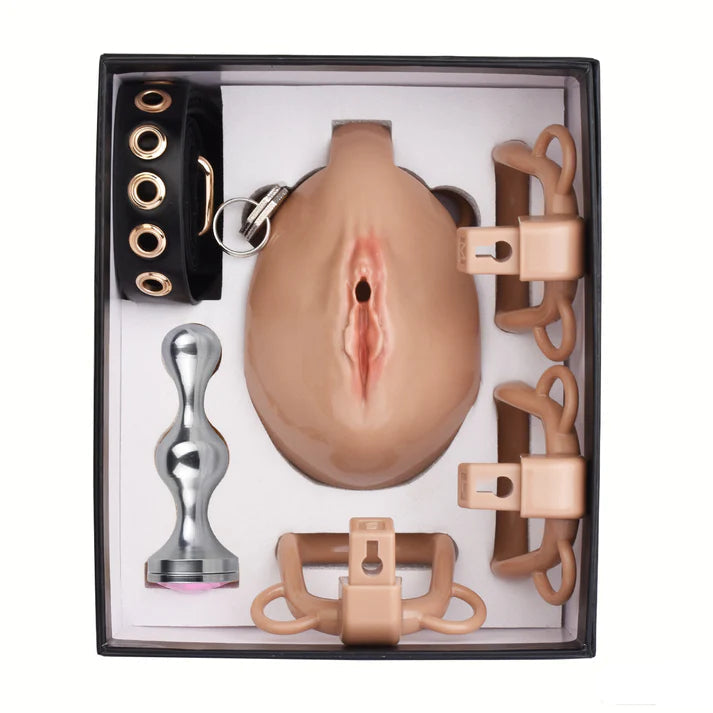
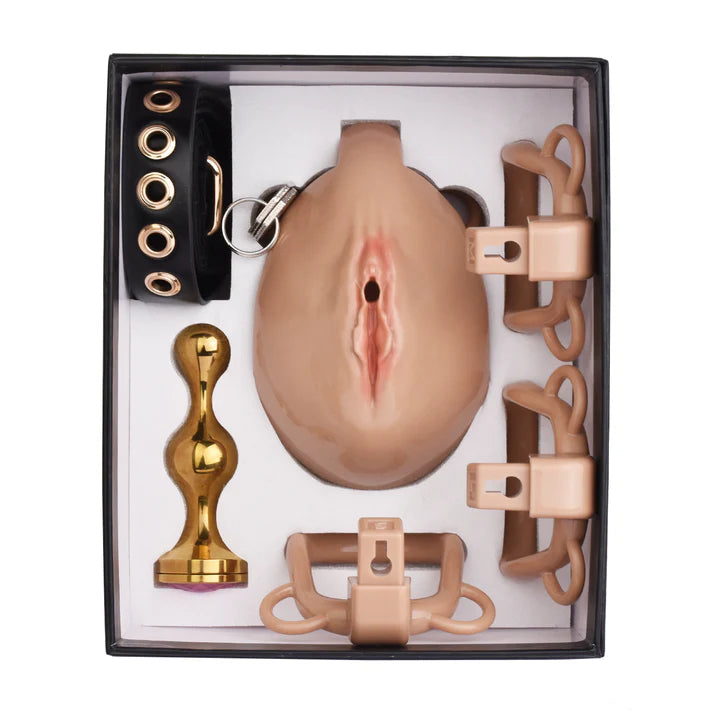
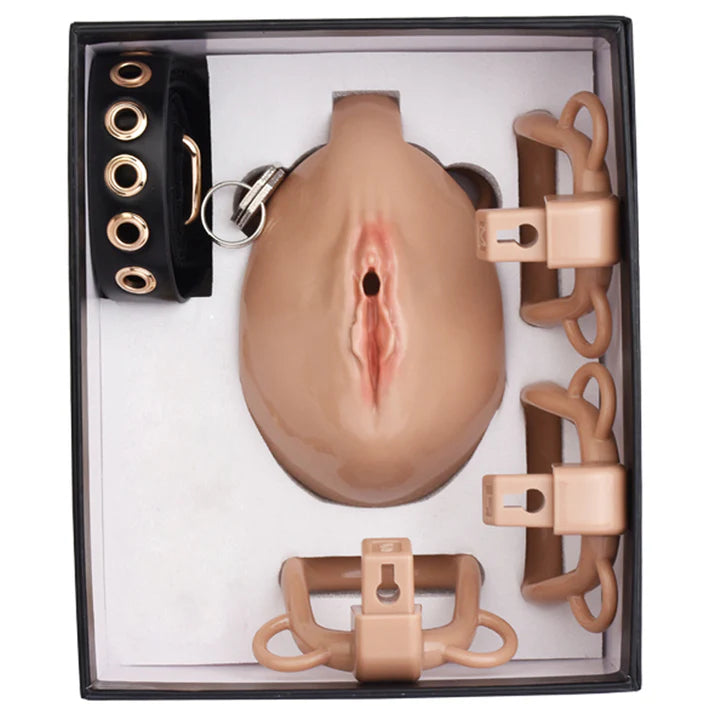
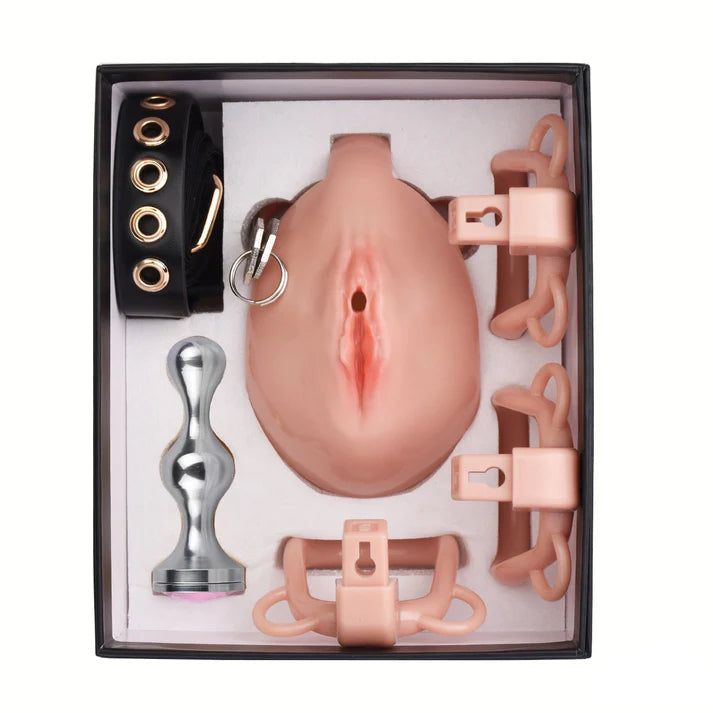
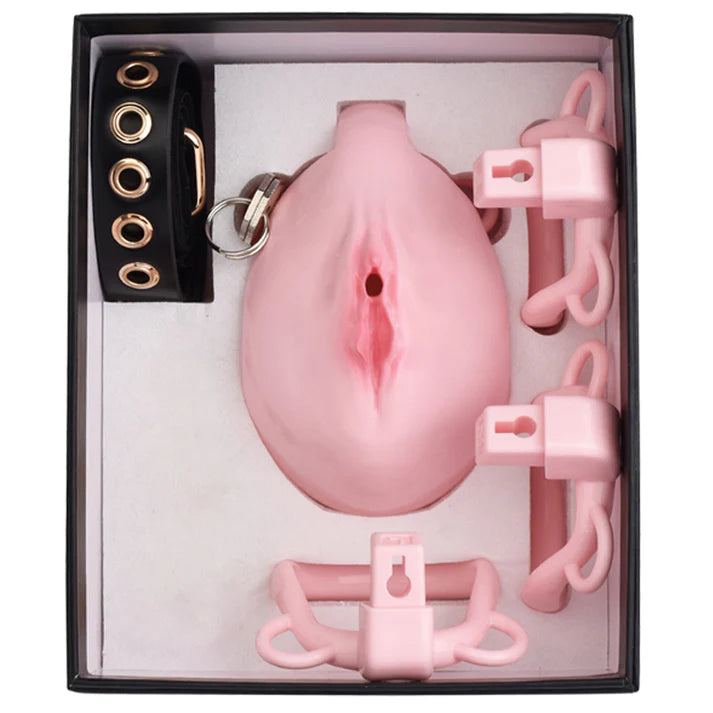
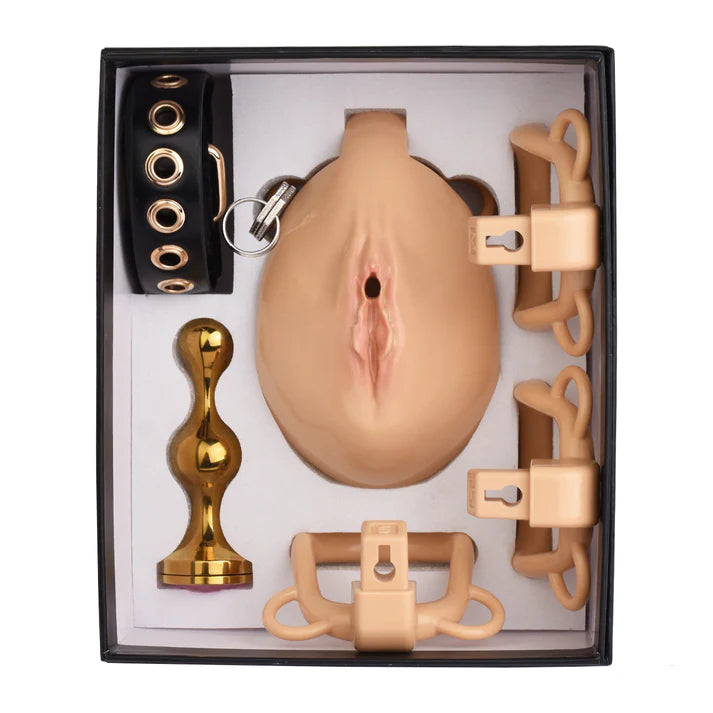
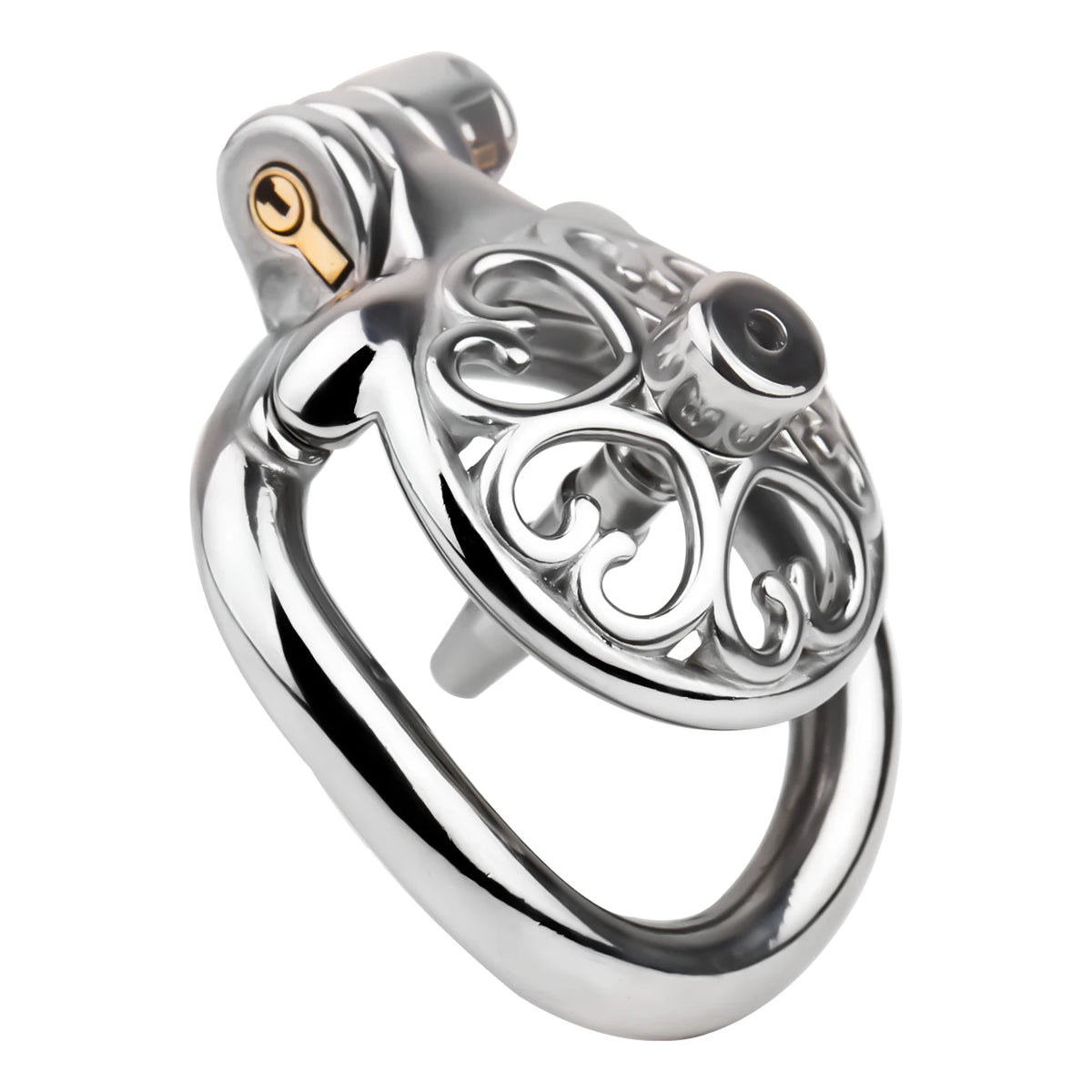
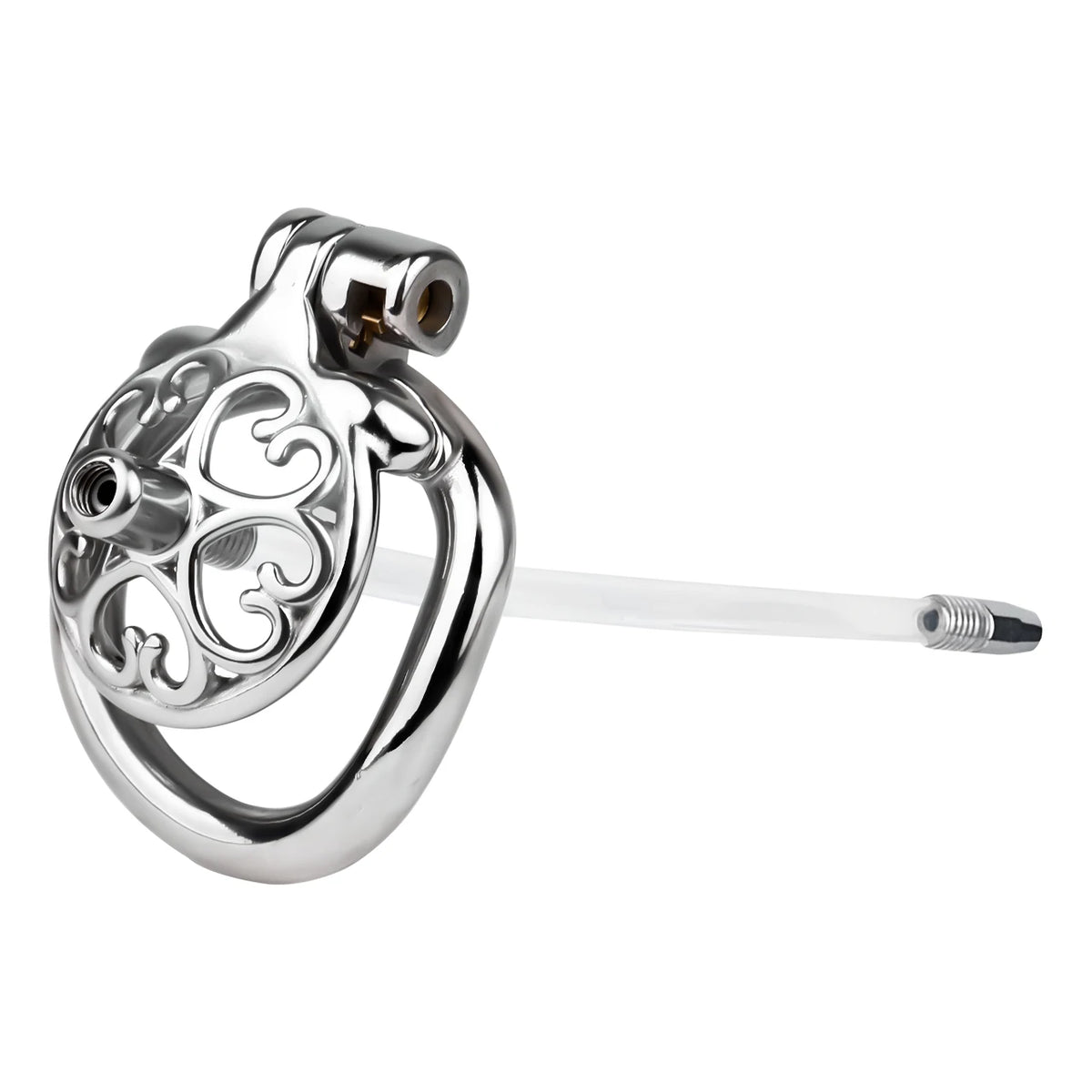
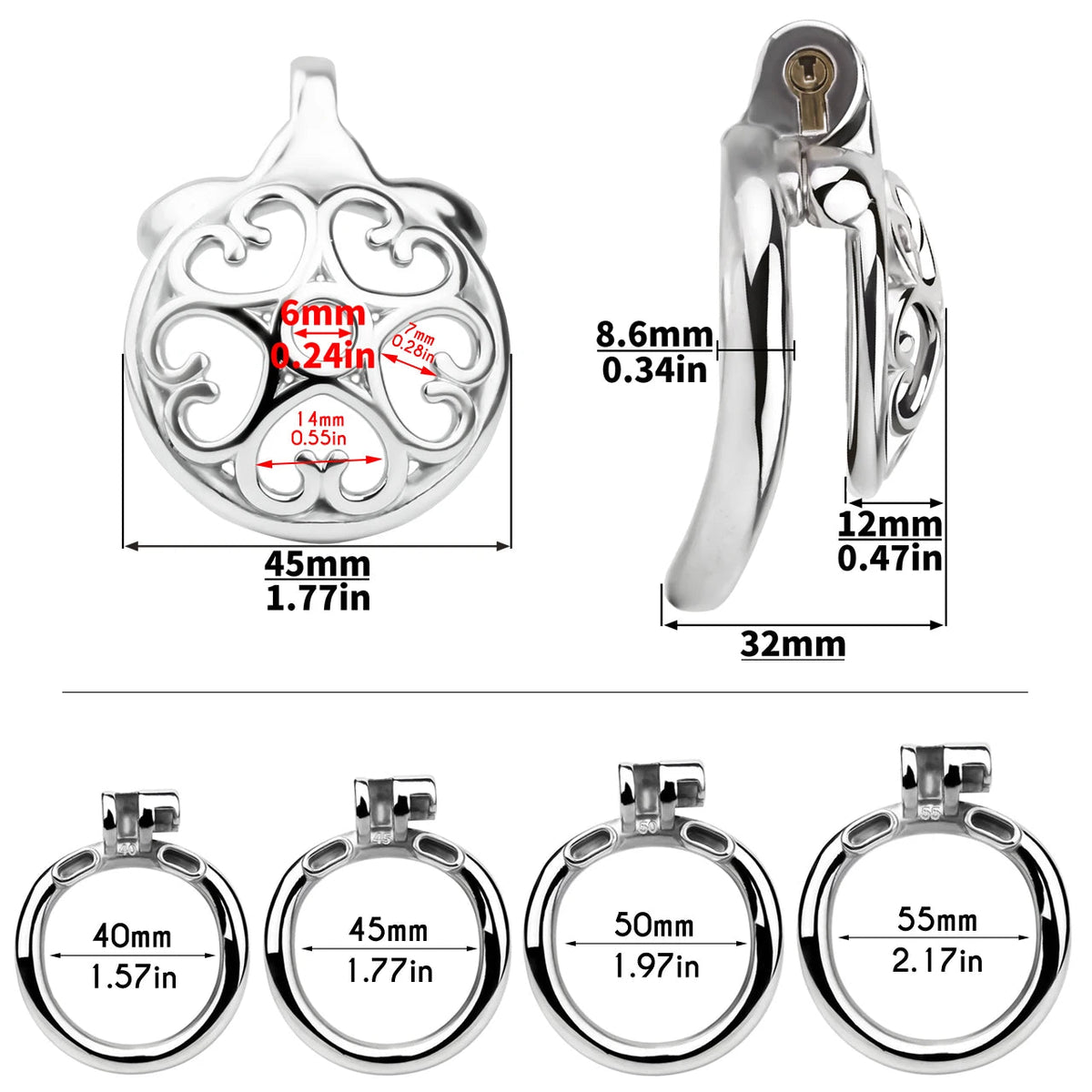
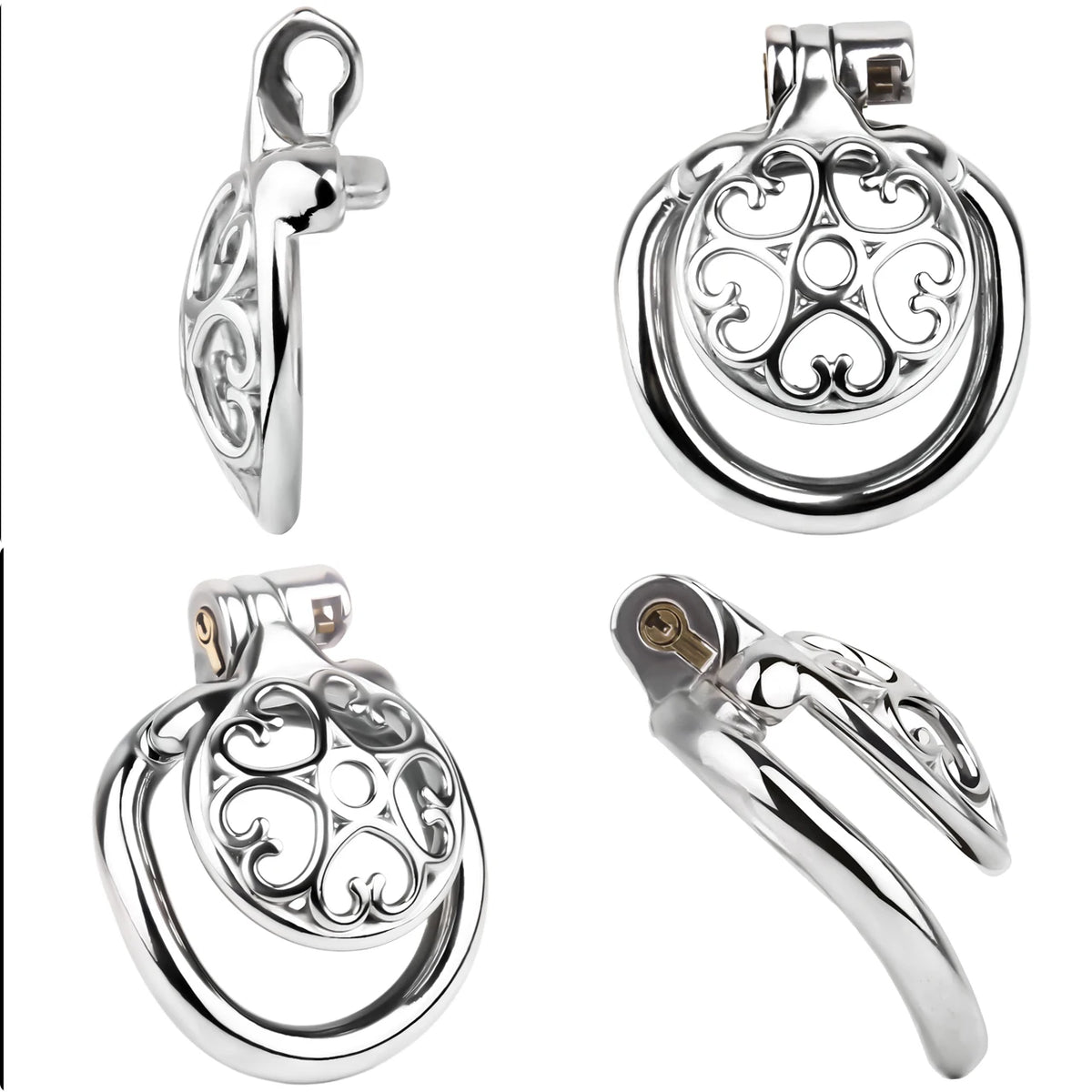
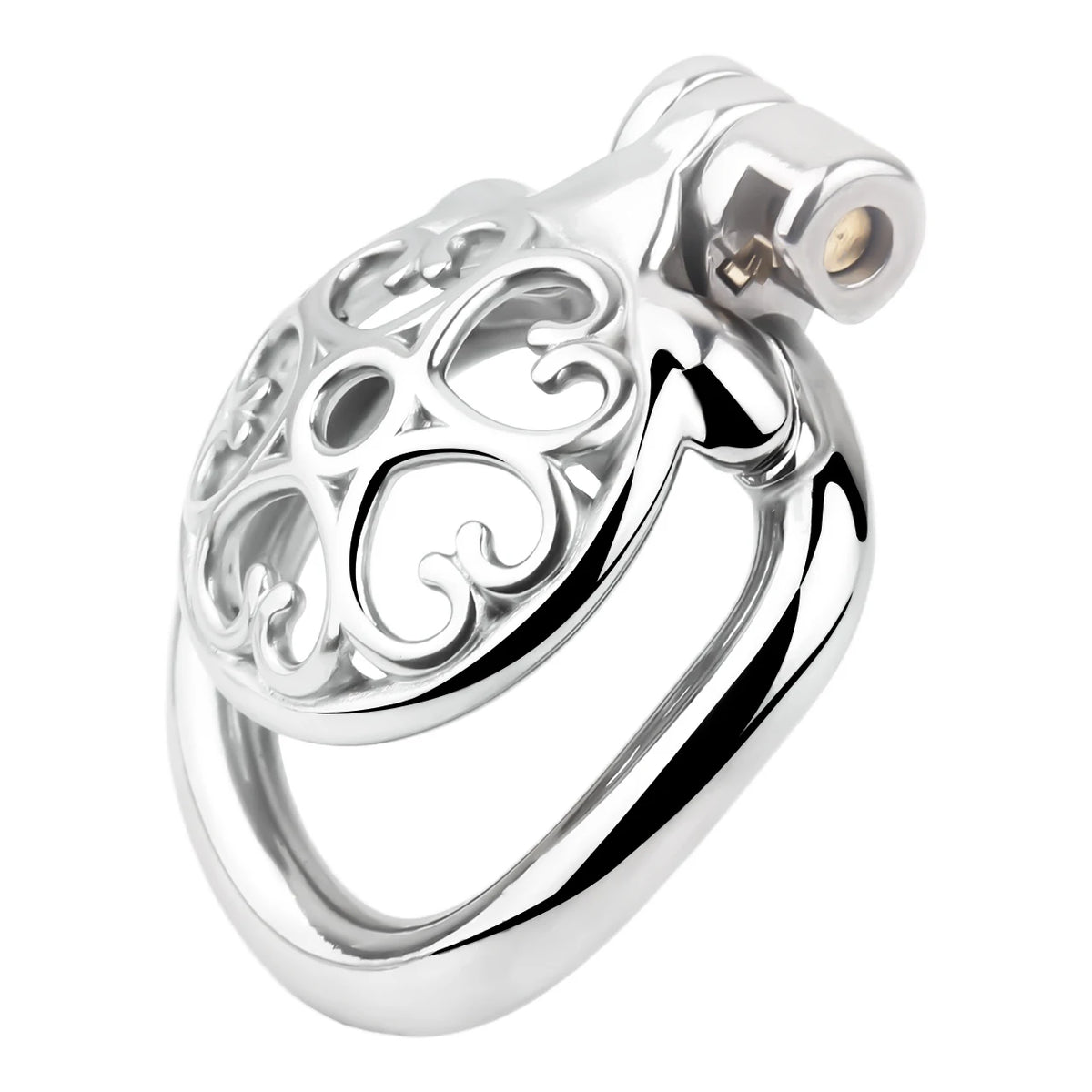
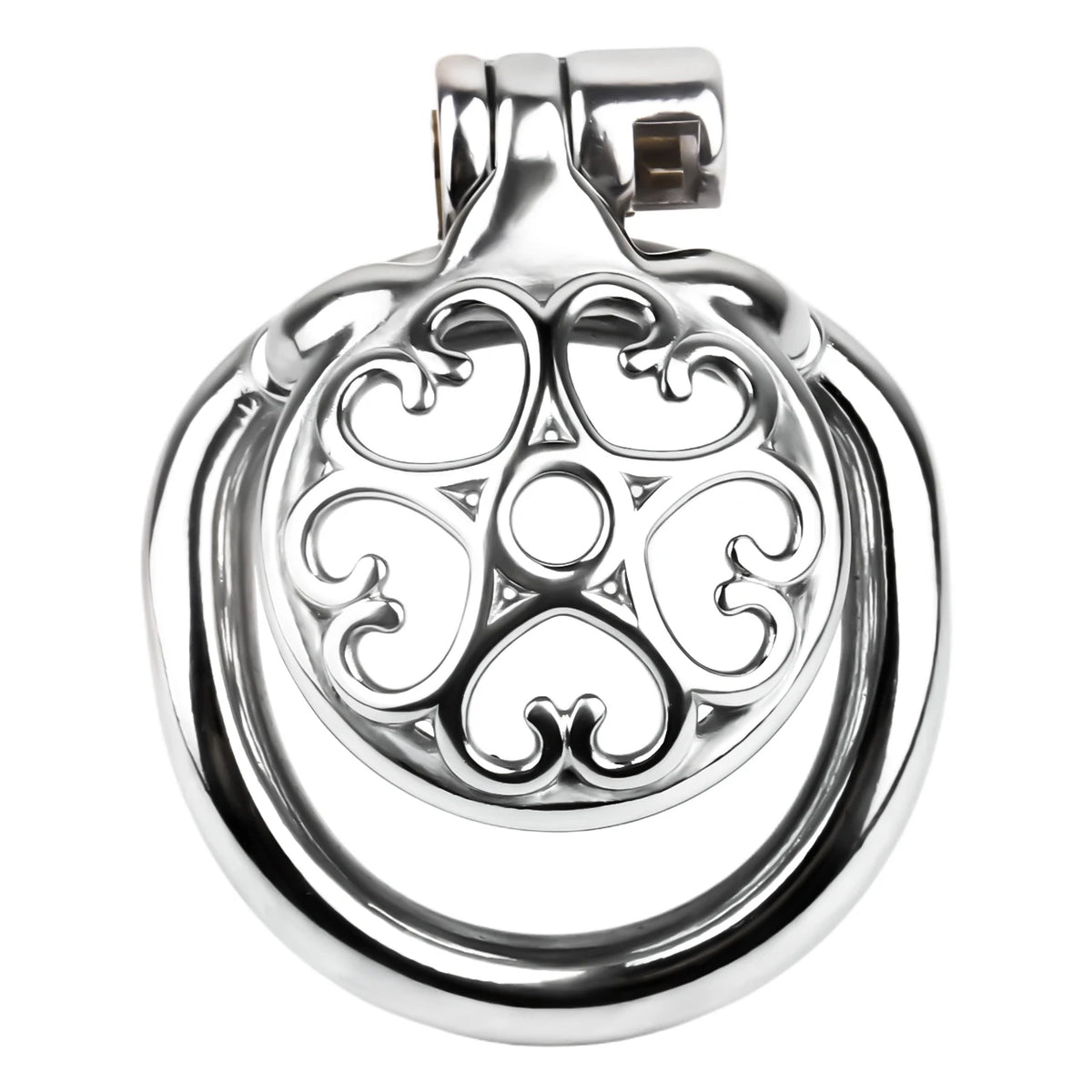
Orgasm control consists of delaying or forbidding orgasm. It can include wearing chastity cages for men or women, and edging practices (keeping at the edge of orgasm). Long-term butt plugs can be added to reinforce the sensation of control, a dimension that is as much physical as it is mental.

BDSM also includes more specialized aspects: medical play (with adapted instruments and strict hygiene), urolagnia, extreme bondage requiring supervision and dedicated equipment, or scenes in dungeons. These approaches require preparation, experience and enhanced safety conditions.
The table below summarizes the main universes, their objectives, some examples of practices and the most common accessories. It does not exhaust the richness of BDSM, but offers a useful map for situating desires and curiosities.
| BDSM universe | Main objective | Examples of practices | Typical accessories |
|---|---|---|---|
| Bondage & Discipline | Restrict movement and establish a framework | Shibari, handcuffing, gagging | Ropes, handcuffs, blindfolds, gags, Saint Andrew's cross |
| Domination & Submission (D/s) | Power exchange, psychological control | Orders, rituals, imposed postures | Collars, leashes, BDSM furniture, masks |
| Sadomasochism (SM) | Play with eroticized pain/pleasure | Spanking, flogging, wax play, electrostimulation | Whips, paddles, clamps, low-temperature candles |
| Role play & scenarios | Embody a character or fantasized situation | Teacher/student, doctor/patient, animal play | Costumes, cages, muzzles, saddles, harnesses |
| Sensory games | Stimulate or deprive a sense | Feathers, hot/cold, Wartenberg wheel | Blindfolds, feathers, ice cubes, candles |
| Chastity & orgasm control | Deprive or delay pleasure | Wearing a cage, edging, orgasm denial | Chastity cages, belts, long-term plugs |
BDSM has a useful vocabulary for communicating clearly. A dominant directs the scene, a submissive enters it voluntarily, and a switch alternates between roles. Munchs are non-sexual social gatherings organized by the community, often through dedicated platforms like FetLife. Sexuality is described as vanilla when it does not incorporate BDSM elements.
The safeword is a code agreed upon in advance to immediately stop a scene in case of discomfort or danger. Aftercare refers to the care and comfort phase following the scene, made up of gentle gestures, reassuring words or a calm shared moment, in order to return to a peaceful emotional state.
Consent is the cornerstone of BDSM. Without consent, it is not a game but an abuse. Preparation includes an explicit negotiation of desires, limits, contraindications and authorized equipment. During the scene, communication remains open, through observations, brief questions and agreed-upon codes. The safeword plays a central role: the "green/yellow/red" system is common (green = ok, yellow = slow down or reduce, red = stop).
For exchanges with the community and experience feedback, consult dedicated platforms like FetLife or specialized forums such as TheCage. For an encyclopedic perspective and references, the Wikipedia article on BDSM provides a useful foundation.
The term BDSM is an acronym for Bondage and Discipline, Domination and Submission, Sadism and Masochism. It refers to a set of erotic or sensual practices based on mutual consent, involving power play, restraint, or intense sensations.
No. BDSM is not limited to pain. It can include gentle sensory games, psychological domination, role play or sensory deprivation, without any physical pain. Pain is just one option among many.
BDSM is not dangerous when practiced within a consensual and safe framework. The rules include choosing a safeword, constant communication and strict respect for established limits. Safety and consent are always the priority.
Accessories depend on the practices:
Bondage: ropes, handcuffs, gags;
Sadomasochism: whips, paddles, clamps, candles;
D/s: collars, leashes, BDSM furniture;
Sensory games: feathers, Wartenberg wheel, ice cubes;
Chastity: chastity cages and chastity belts.
Yes. BDSM rests above all on power dynamics, trust and communication. Many practices require no accessories at all, such as role play, verbal domination or sensory deprivation.
A safeword is a word or code chosen in advance to signal discomfort or to immediately stop a scene. The "traffic light" system is common: green to continue, yellow to slow down, red to stop.
No. BDSM attracts practitioners of all ages, sexual orientations and social backgrounds. It does not reflect a psychological disorder: it is a way of exploring one's sexuality in a creative and consensual manner.
BDSM communities are present in most major cities and online. Platforms like FetLife allow you to participate in munchs (social gatherings) and connect with other enthusiasts.
At Plaisir & Chasteté, we provide you with all our expertise to offer you chastity cages that meet all needs, desires, and fantasies.