Cart
Your cart is empty

The word kink intrigues, attracts, and sometimes frightens. It comes up often in conversations around BDSM, alternative sexual practices, or debates around intimate freedom. But what is a kink? Is it a deviance, an eccentricity, a simple personal taste? In a world where sexuality is discussed more and more openly, understanding what this term covers helps enrich personal reflection, embrace one's desires and, why not, open the door to new experiences.
The word "kink" comes from English and literally means "twist" or "knot." By extension, it refers to any sexual interest that falls outside the so-called "vanilla" framework — that is, sexuality considered standard, classic, without practices marked by BDSM or particular scenarios. A kink is not necessarily extreme or shocking: it can be an attraction to an accessory, a particular setting, an unusual position, or a playful role-play.
In other words, a kink is a singular sexual preference. It does not define a person's entire personality, but reveals a dimension of their imagination and their relationship with pleasure.
Society has long tended to categorize sexual practices. Anything that fell outside the reproductive or "conjugal" framework was deemed immoral or abnormal. Yet history and anthropology show that humans have always invented rituals and practices around sex — sometimes codified, sometimes playful.
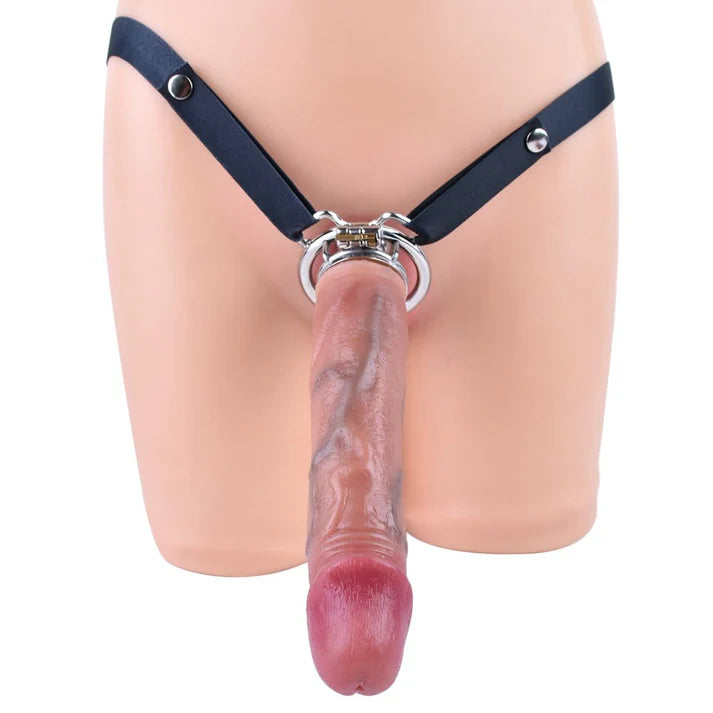
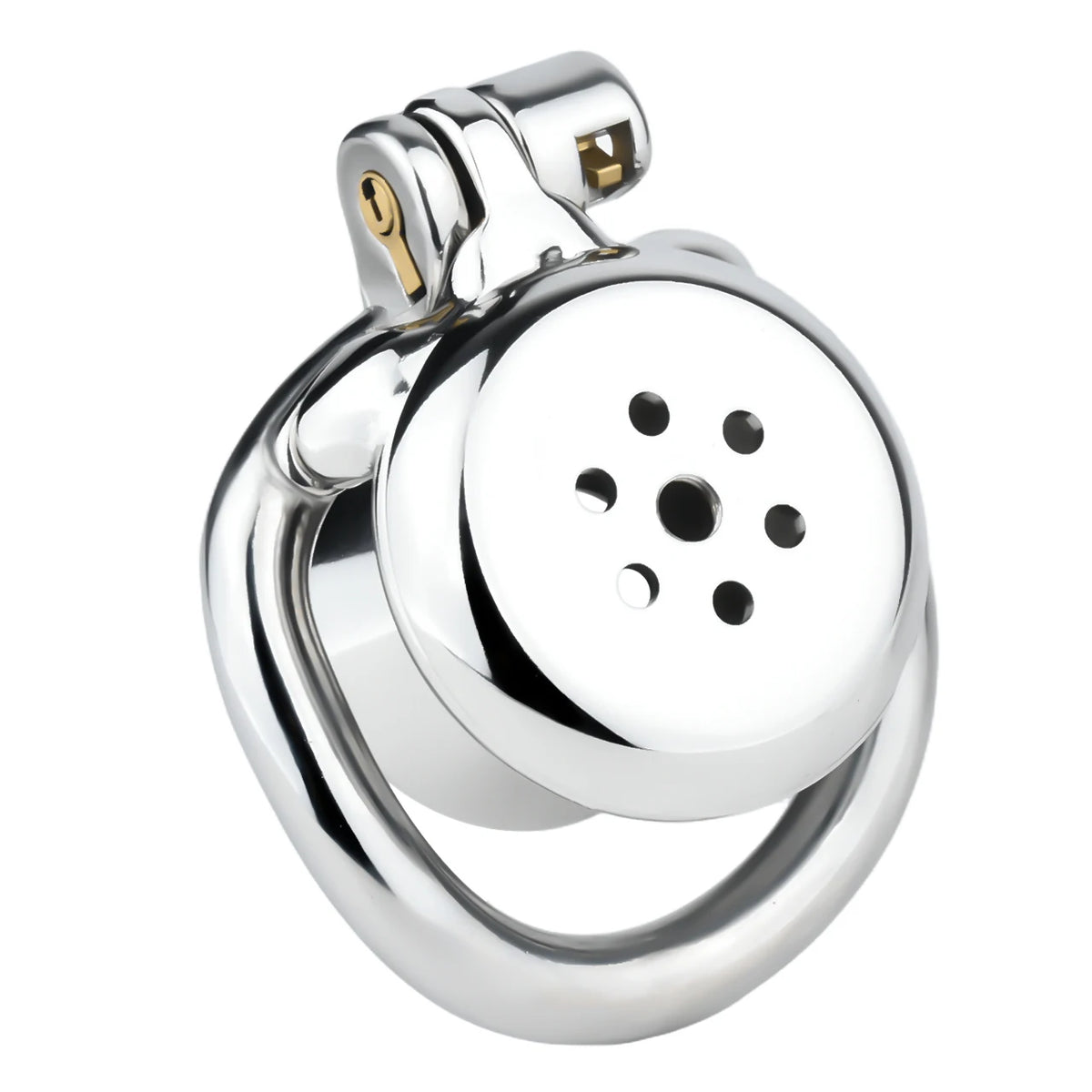
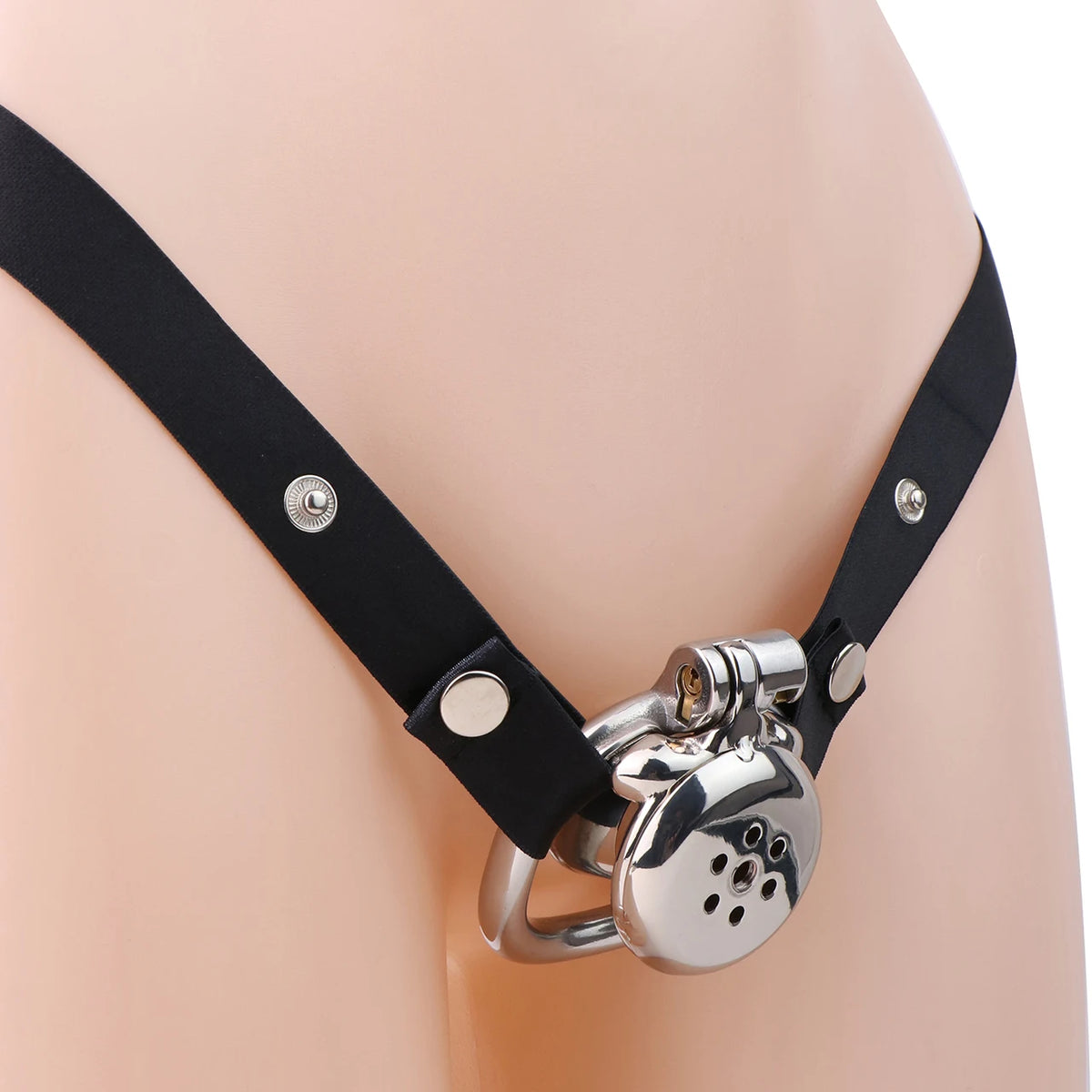
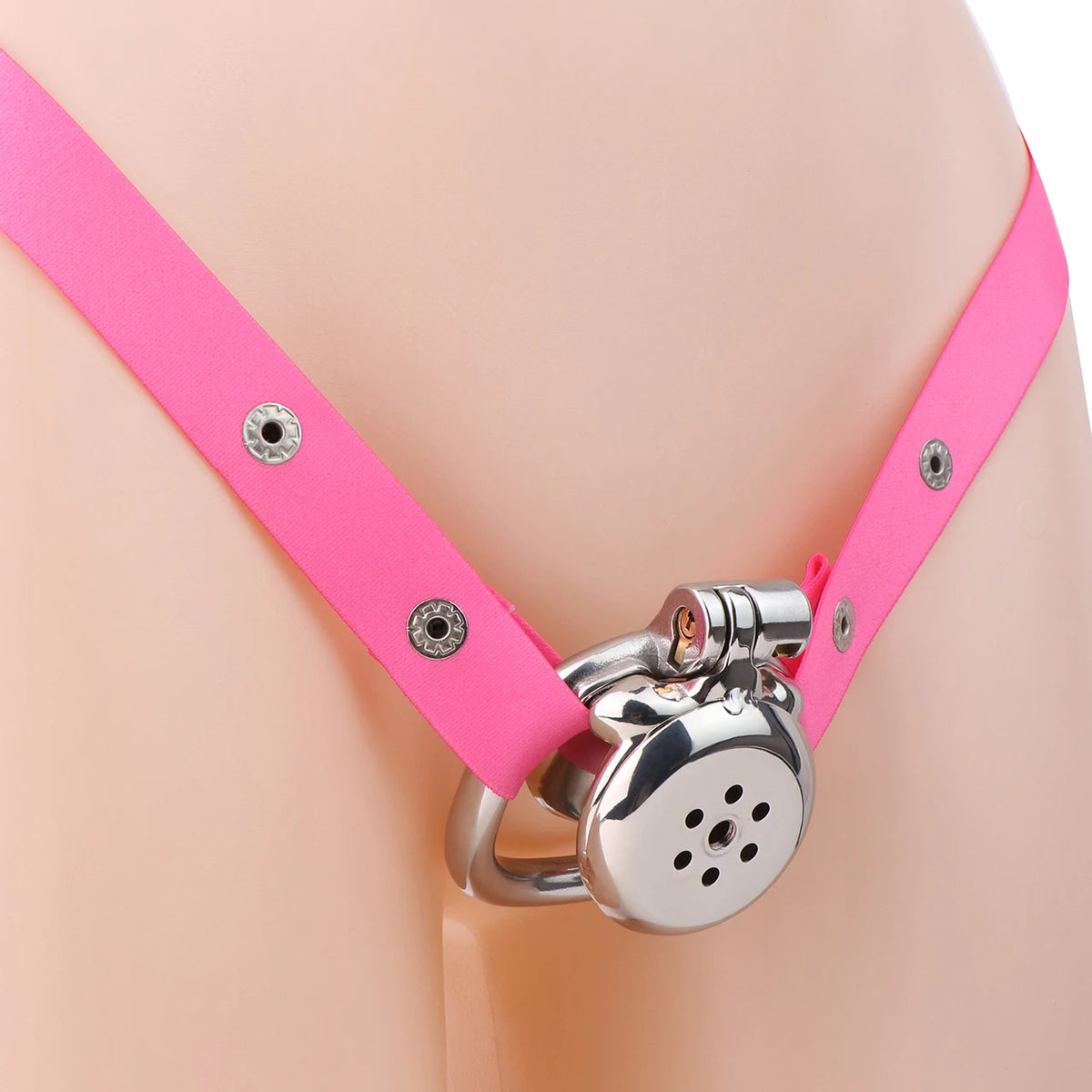
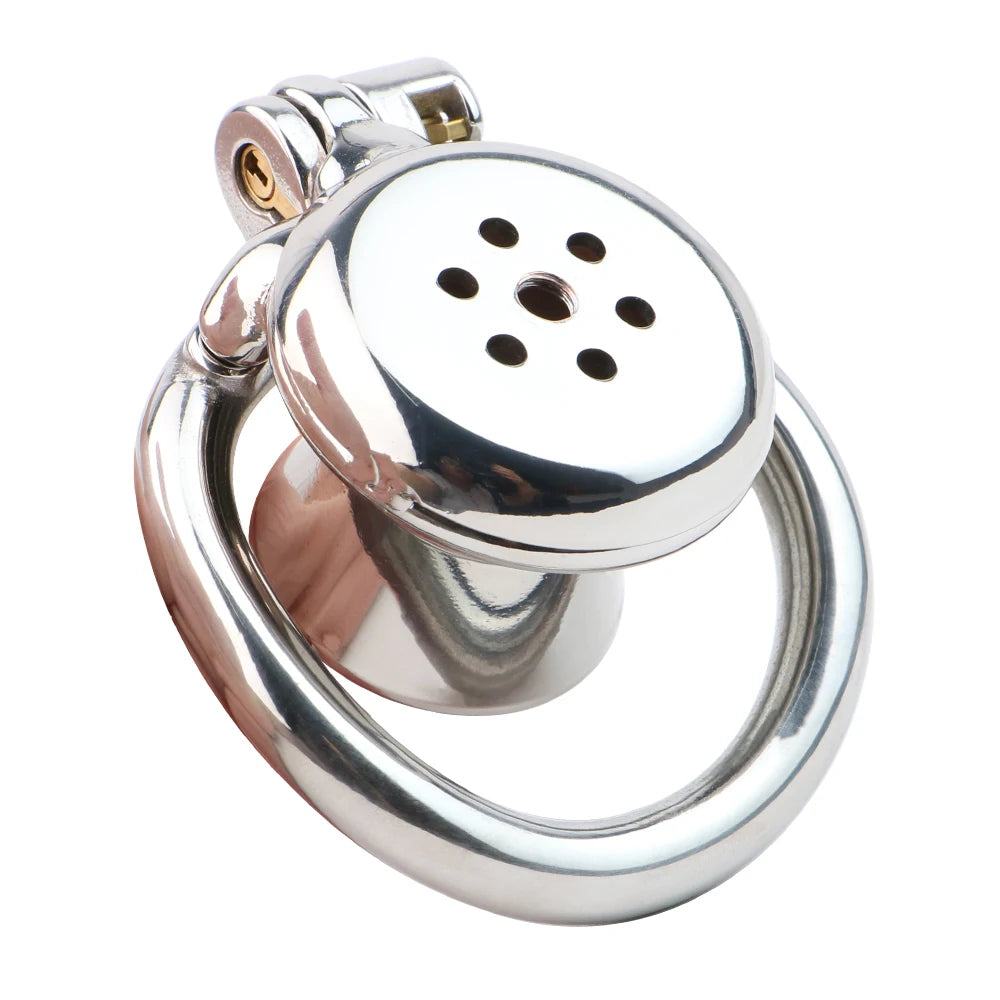
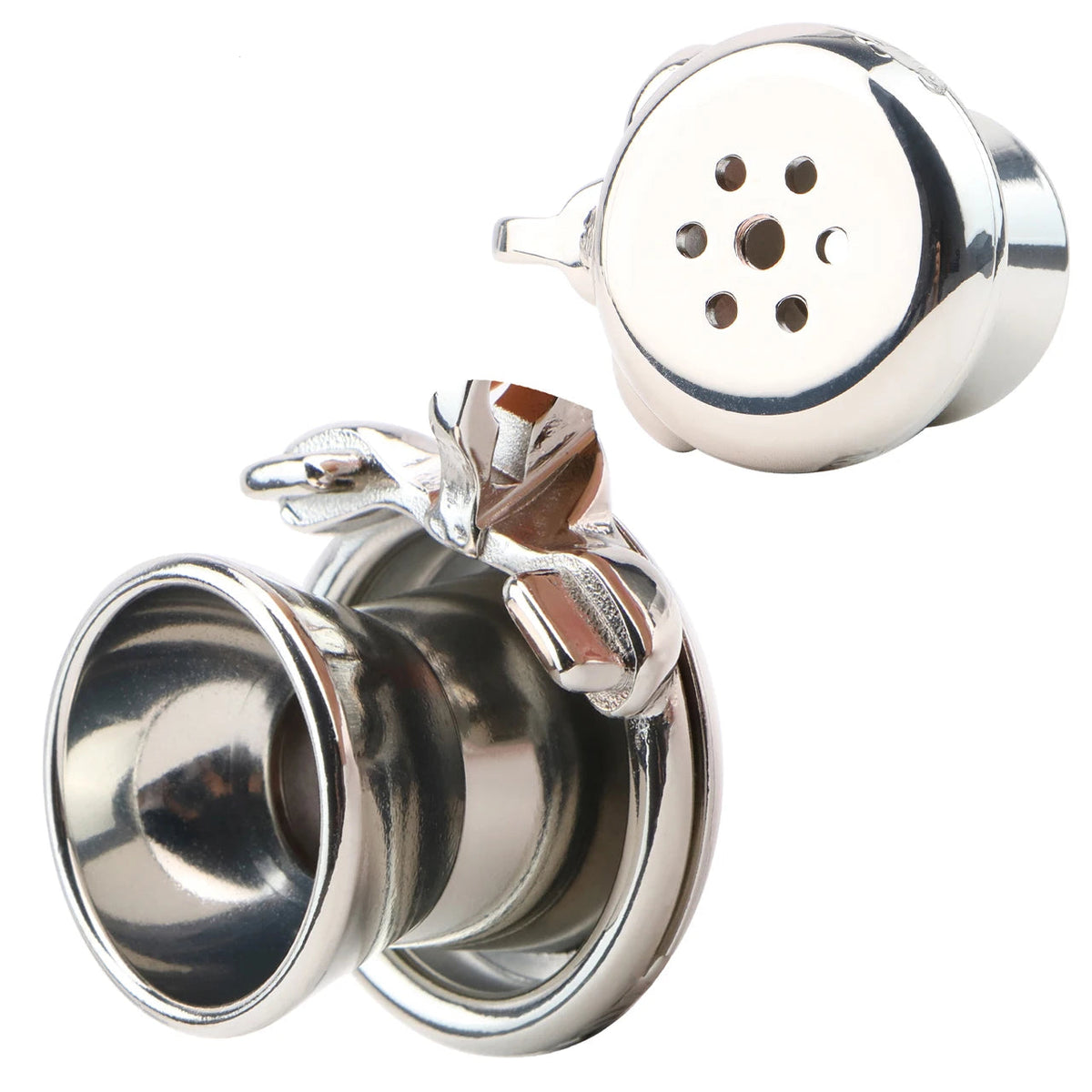
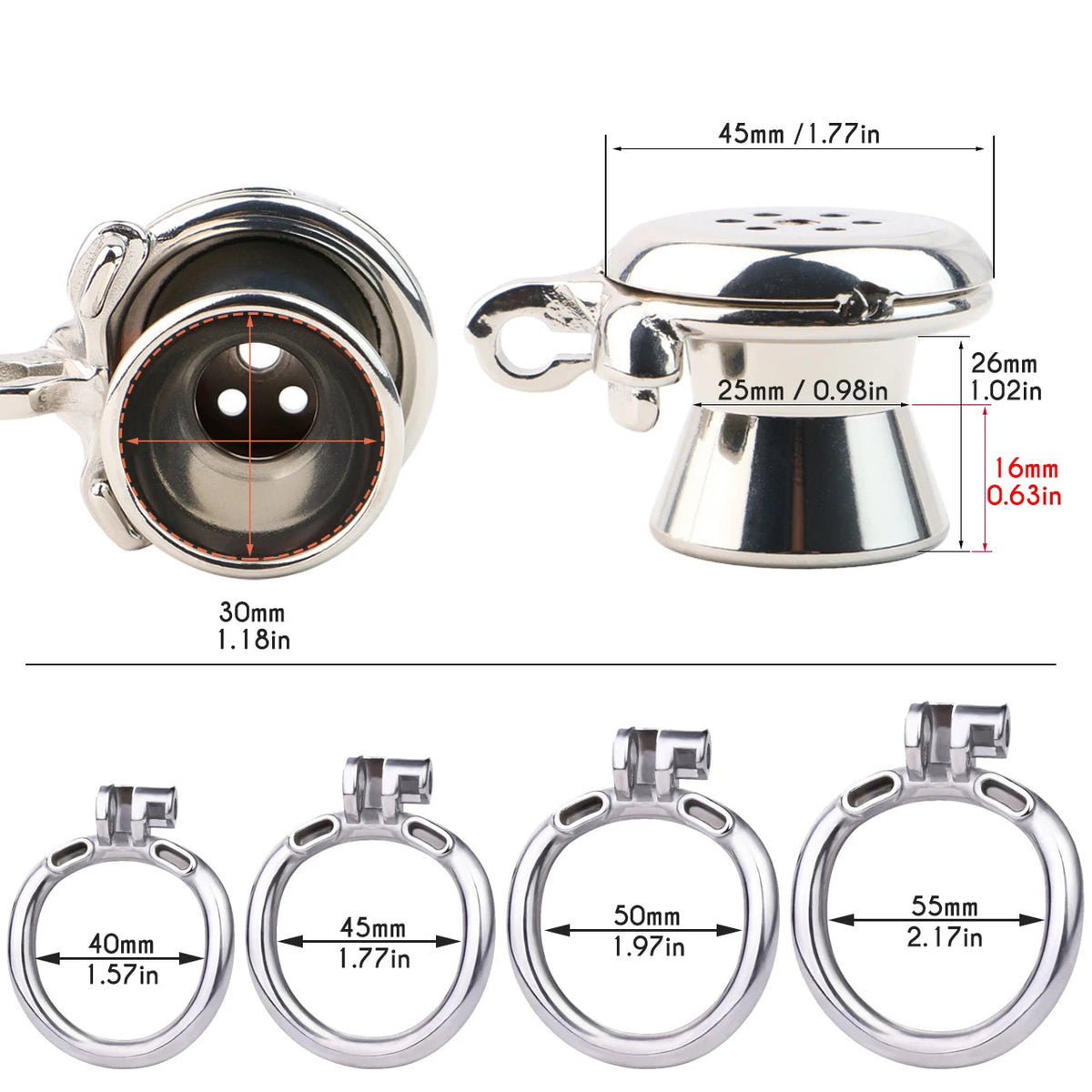
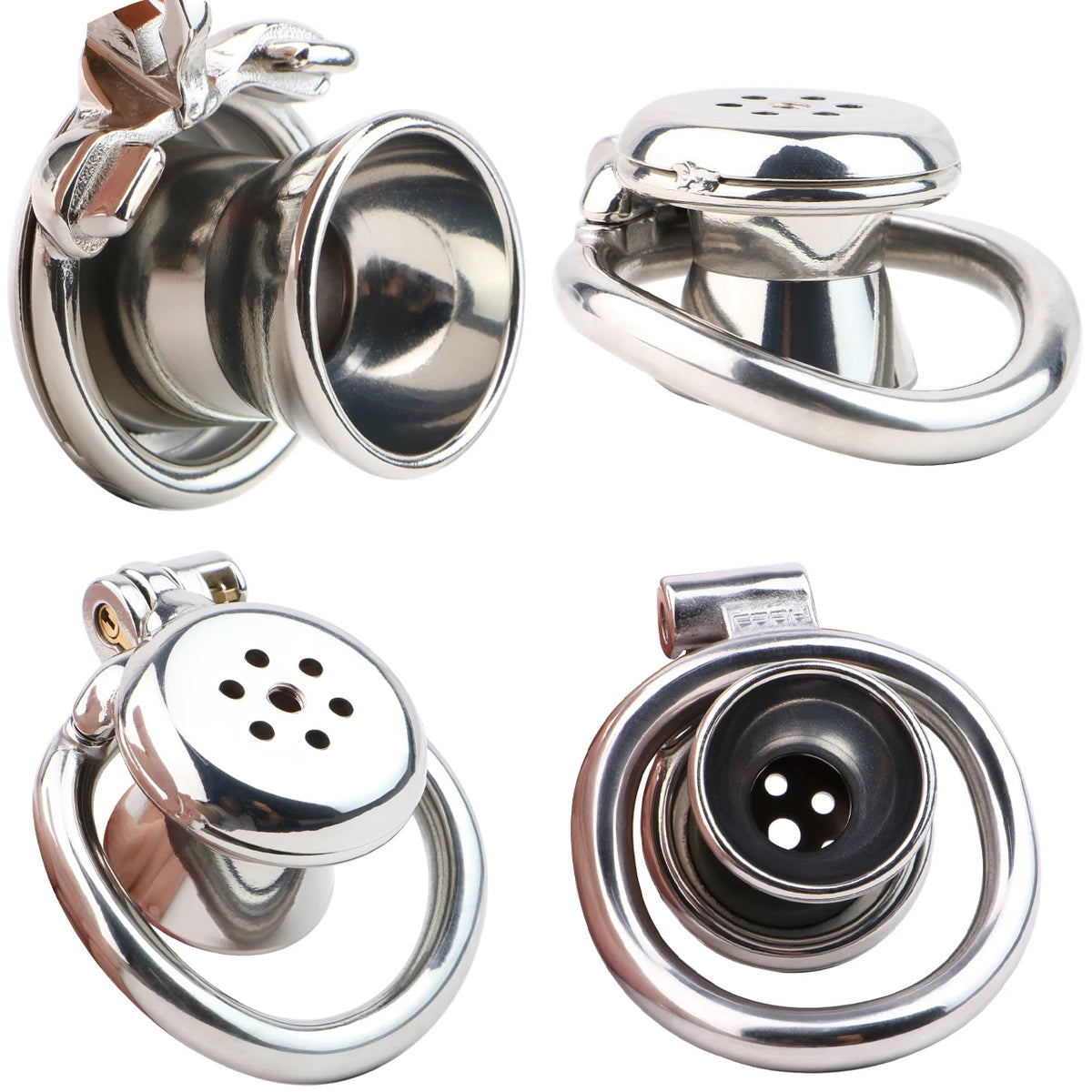
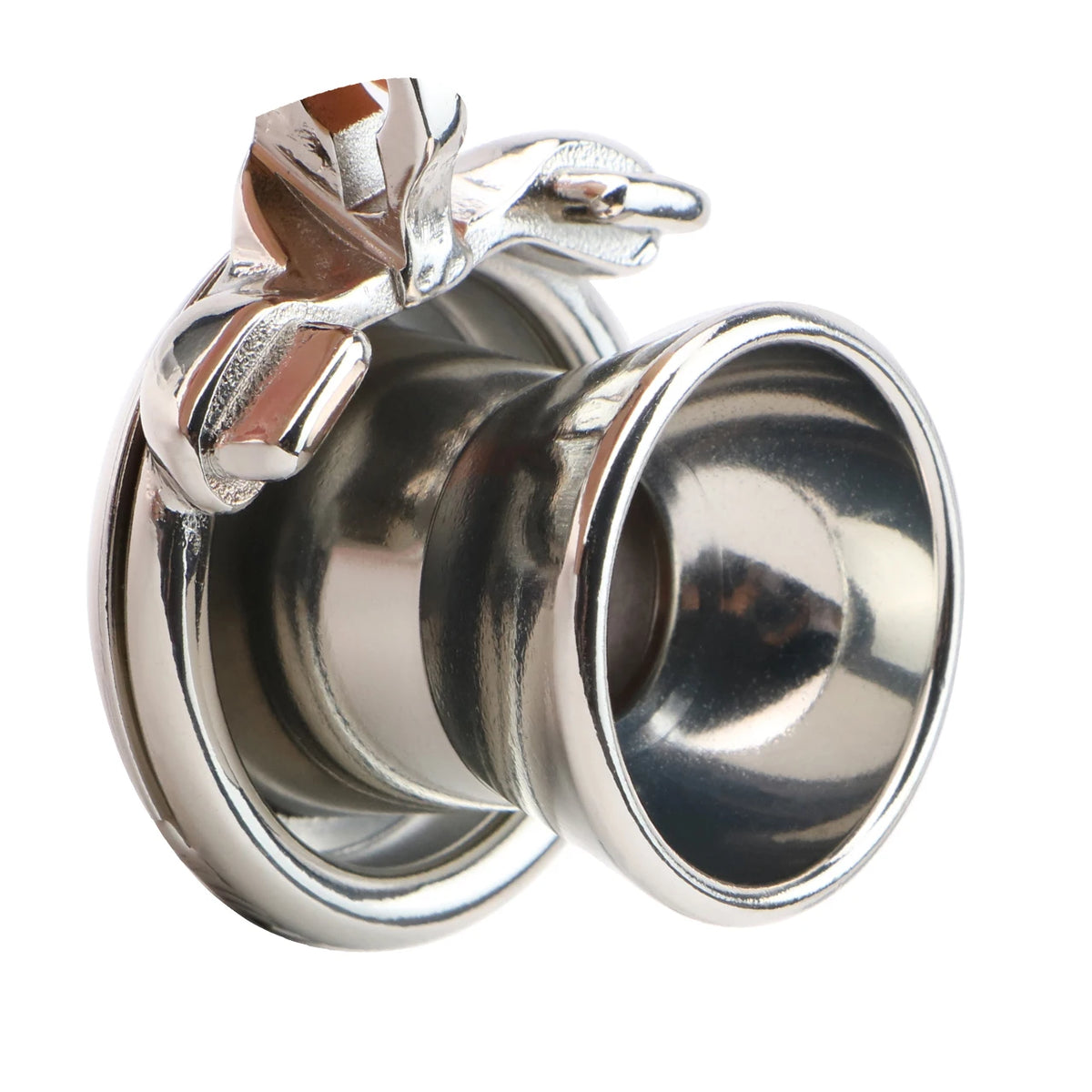
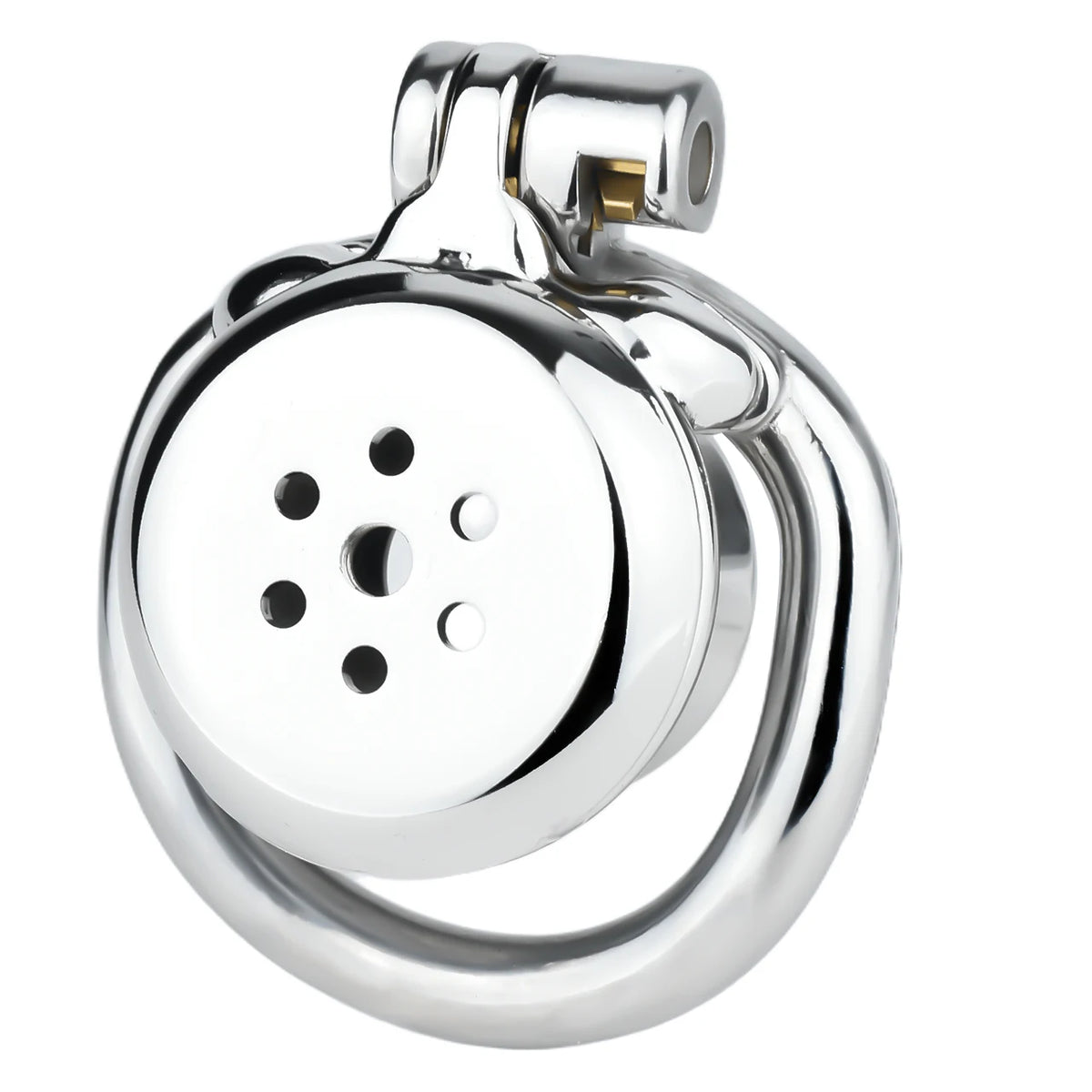
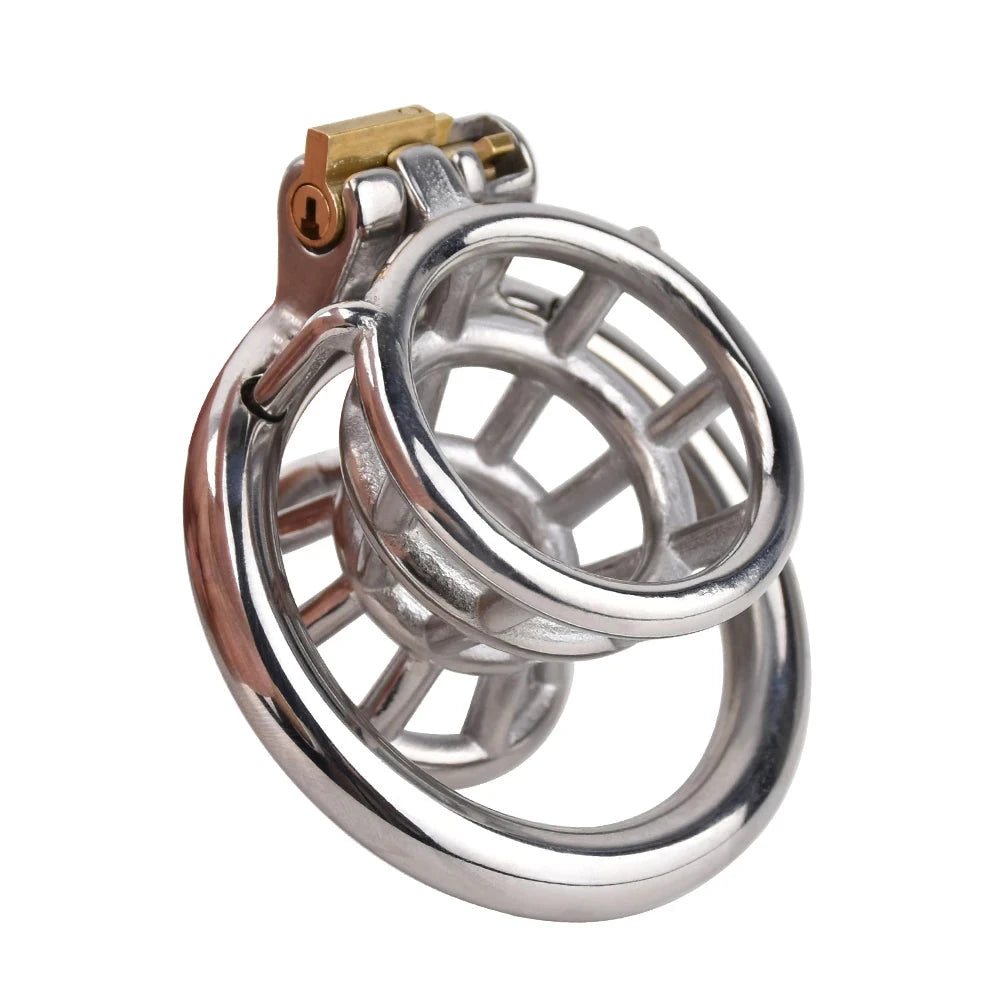
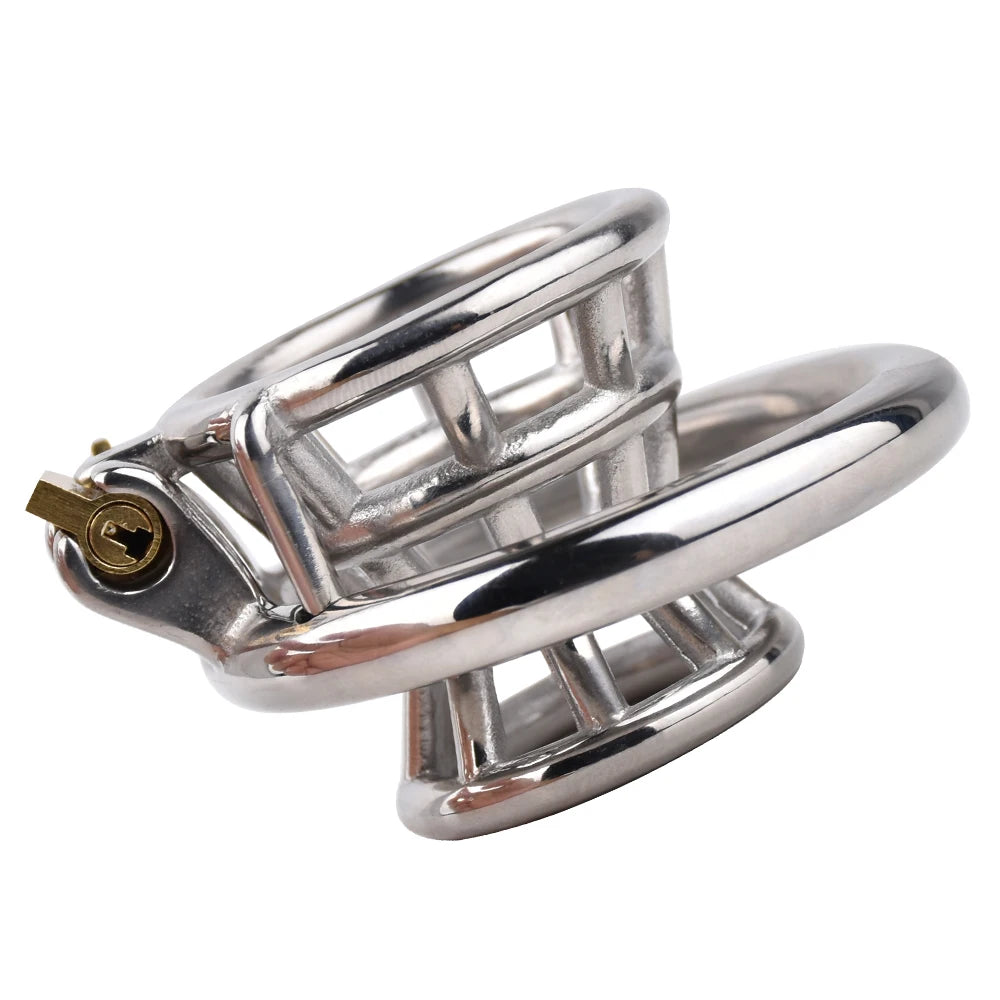
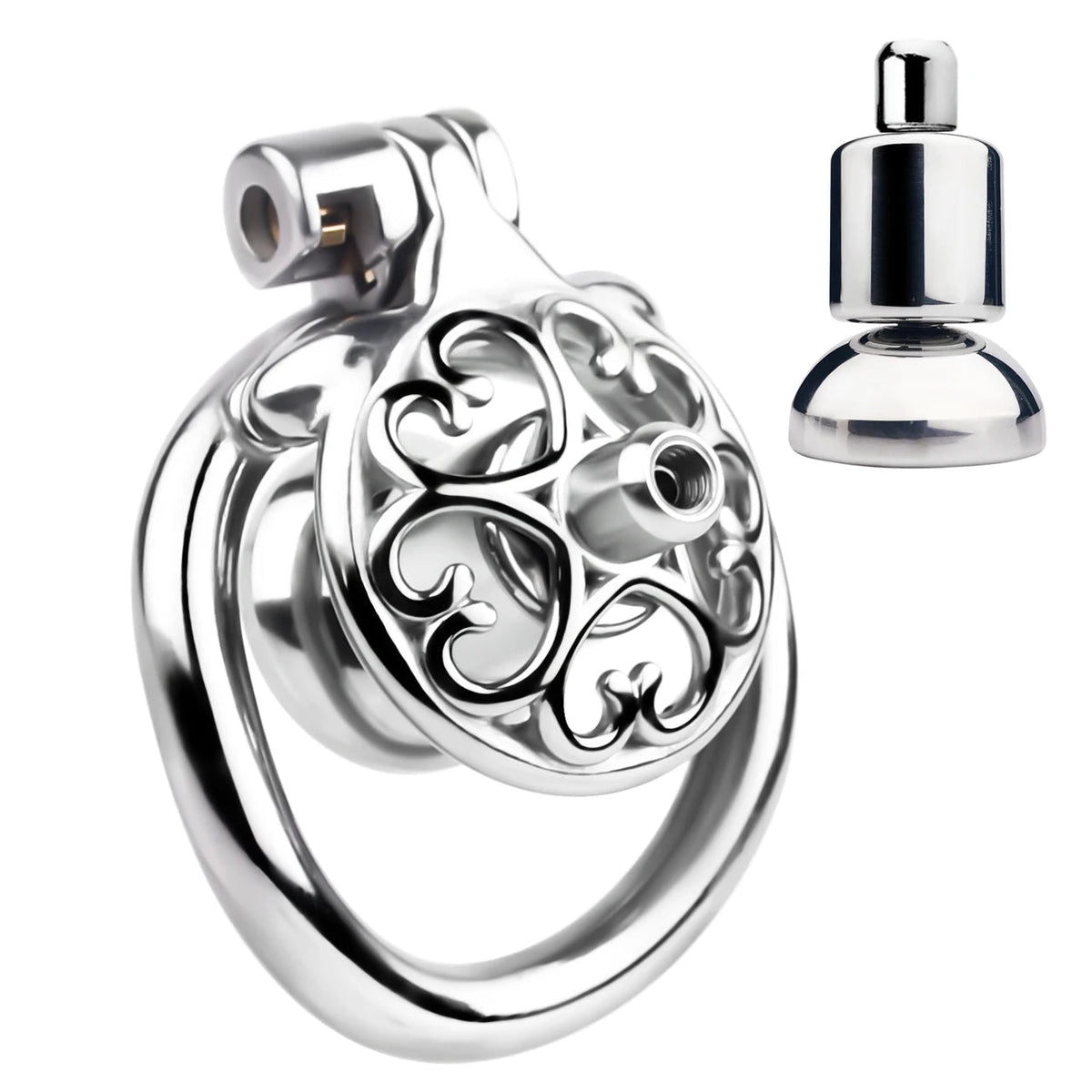
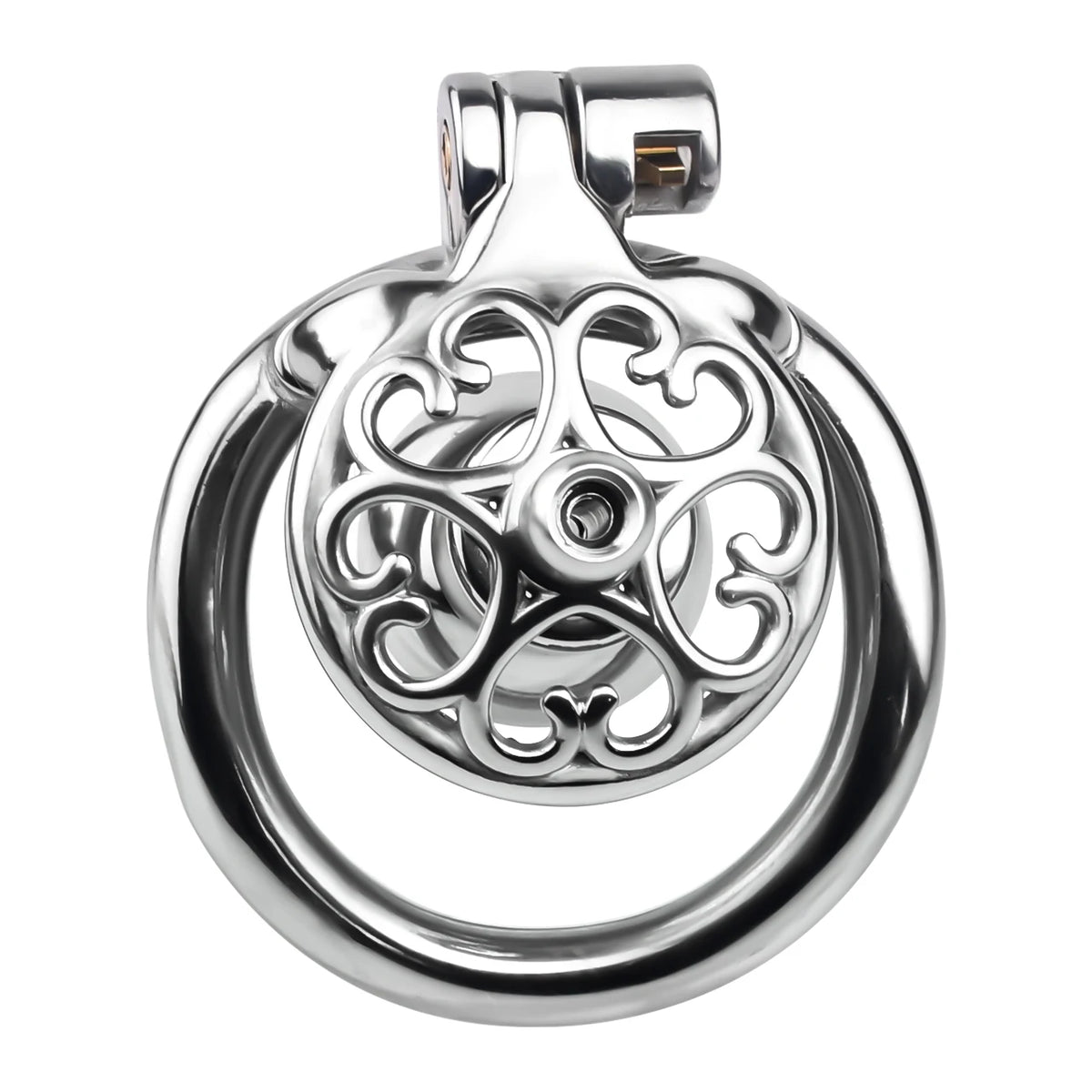
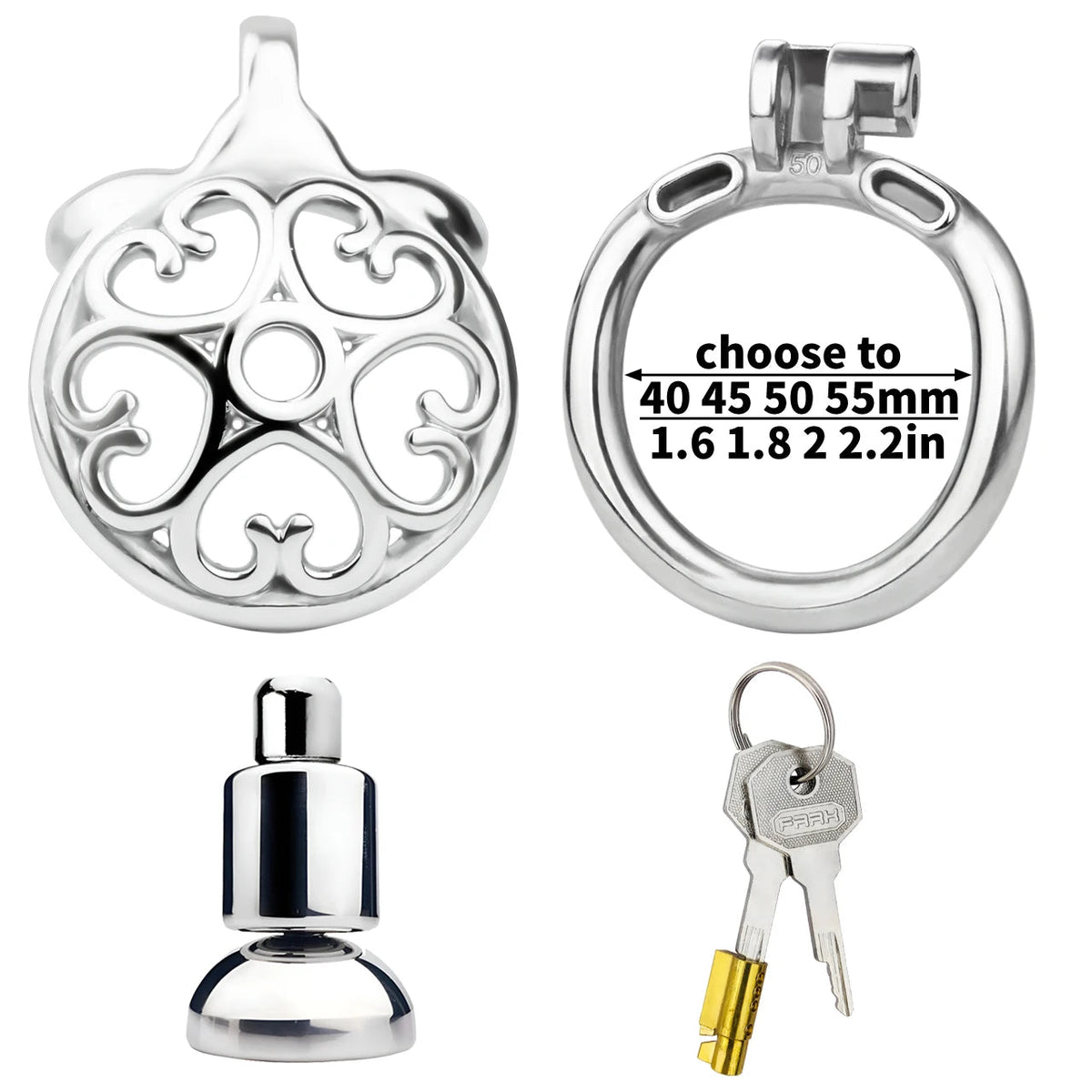
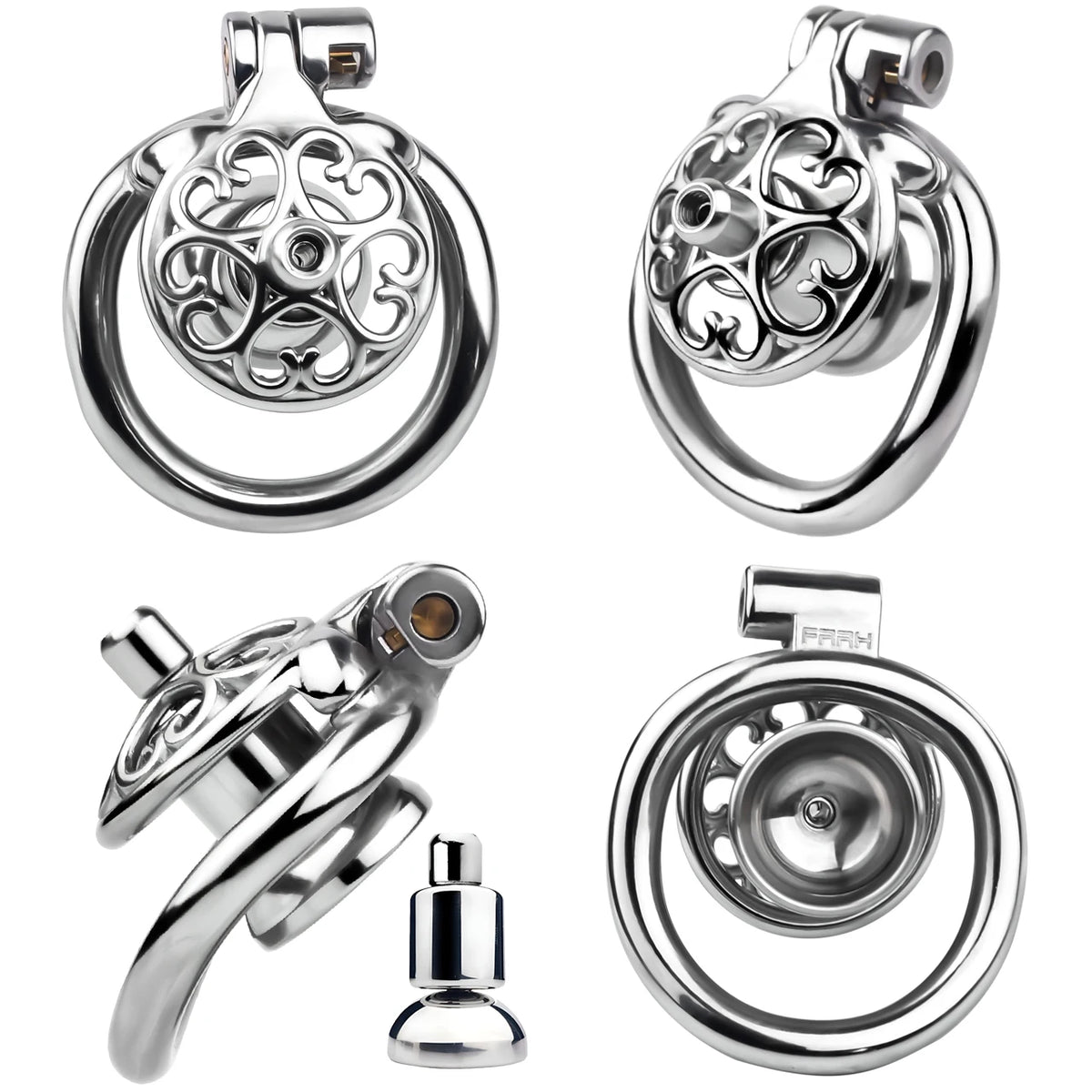
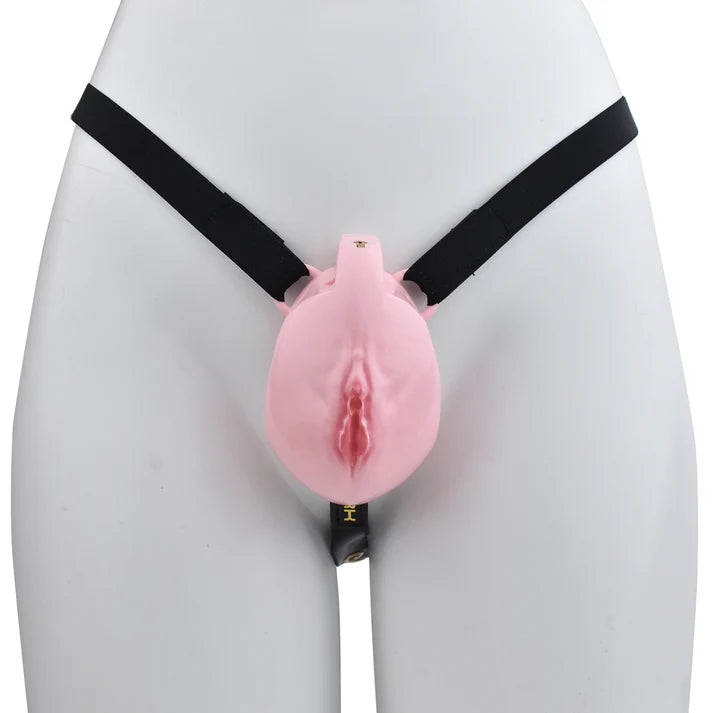
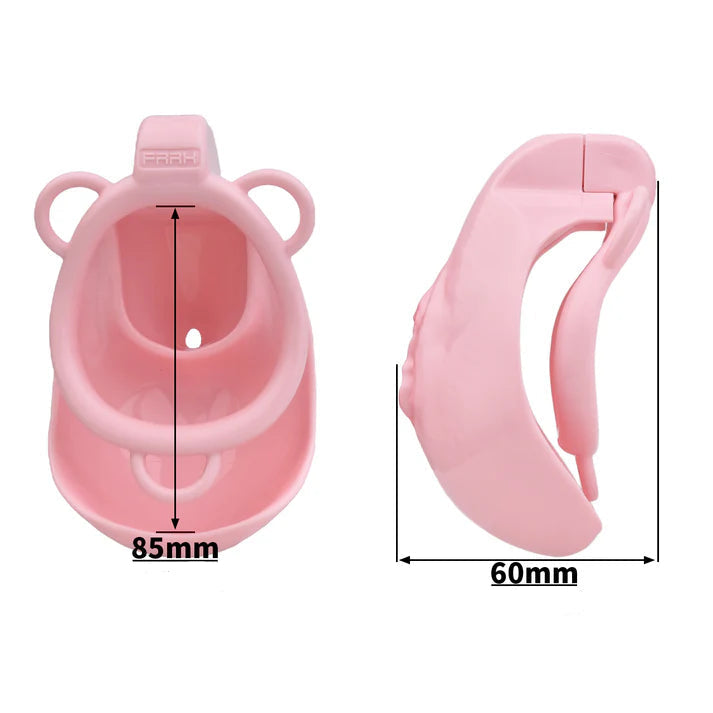
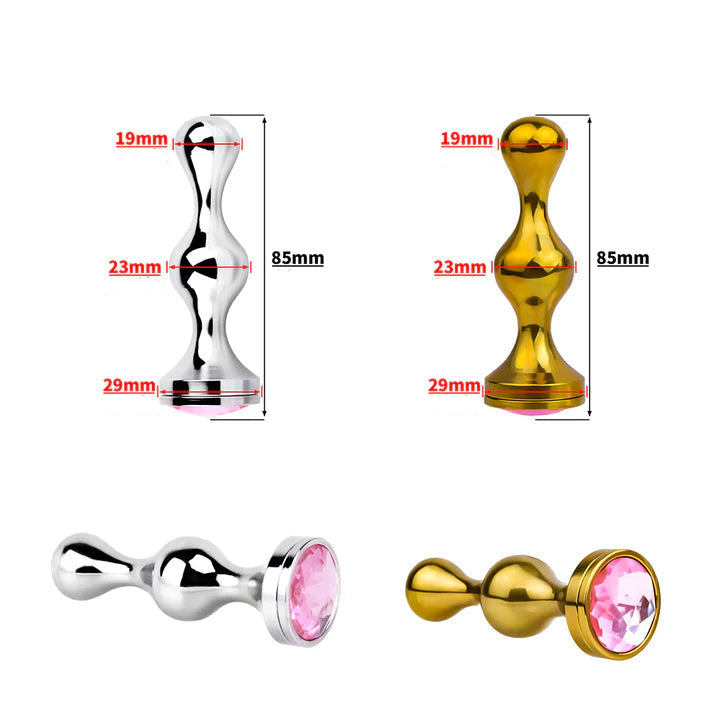
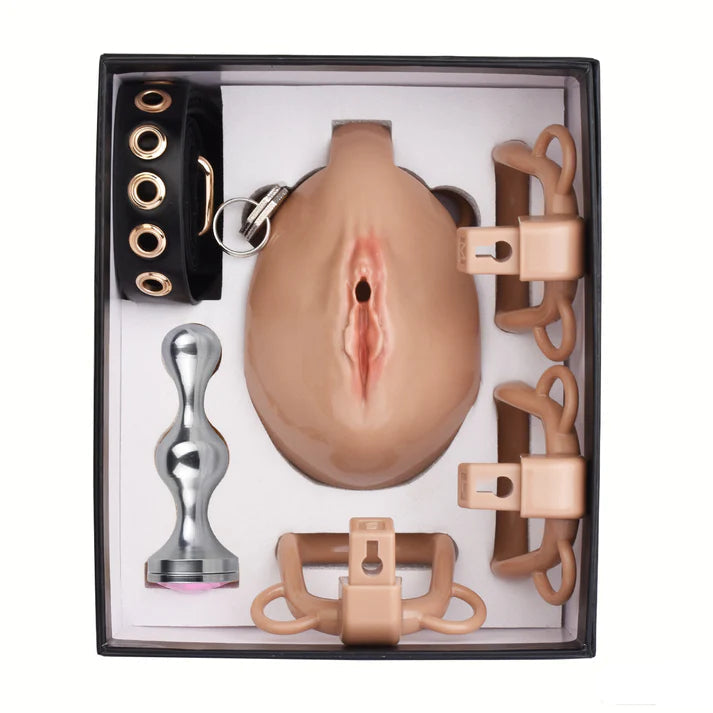
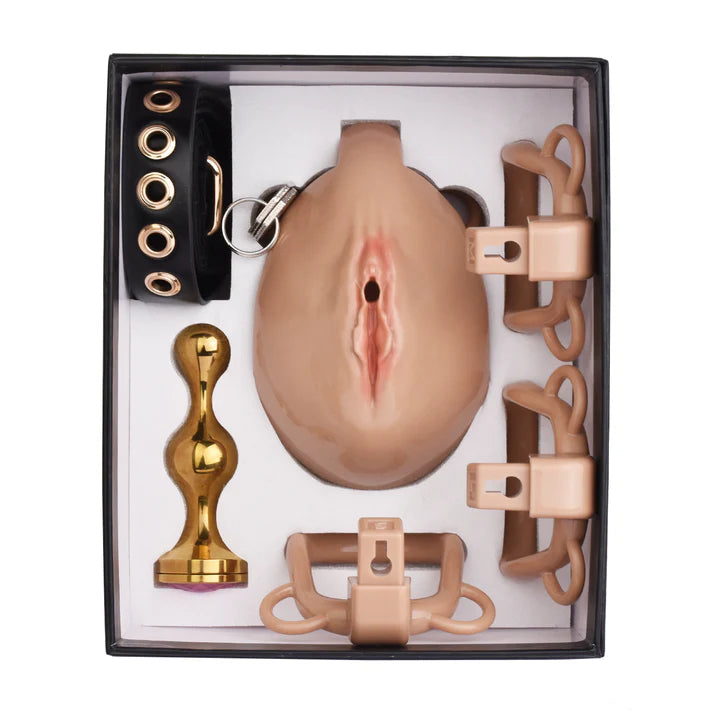
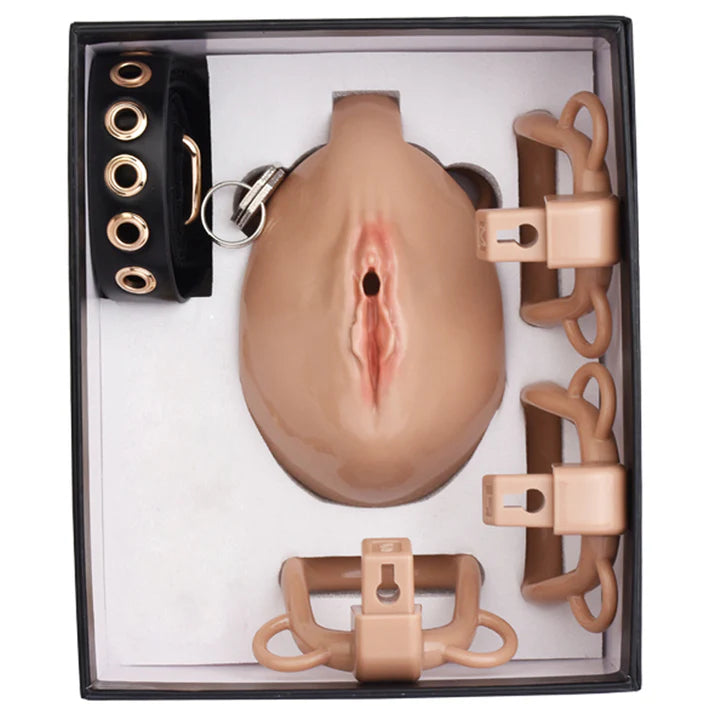
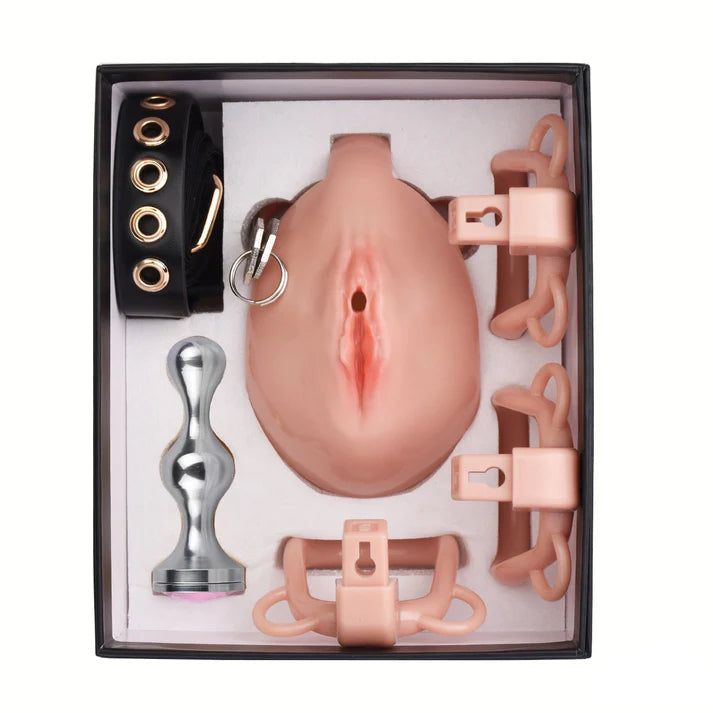
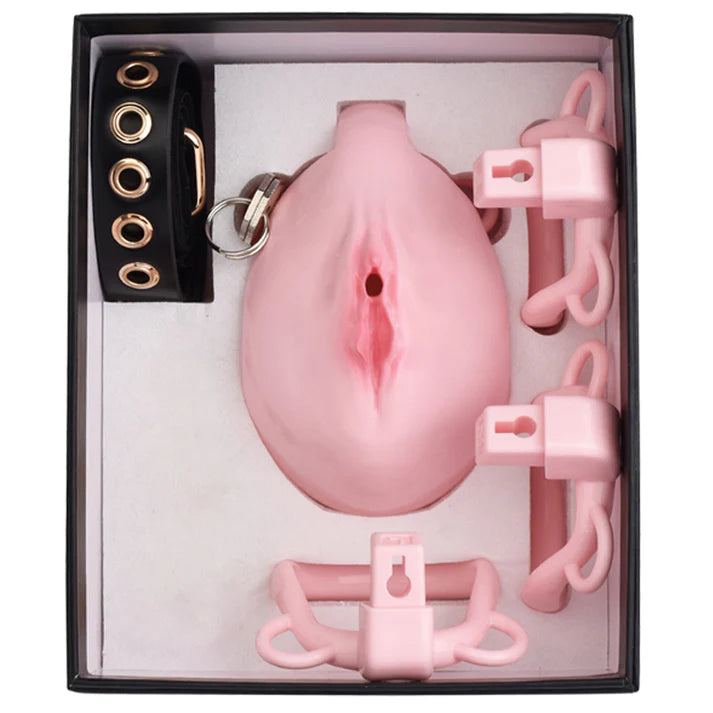
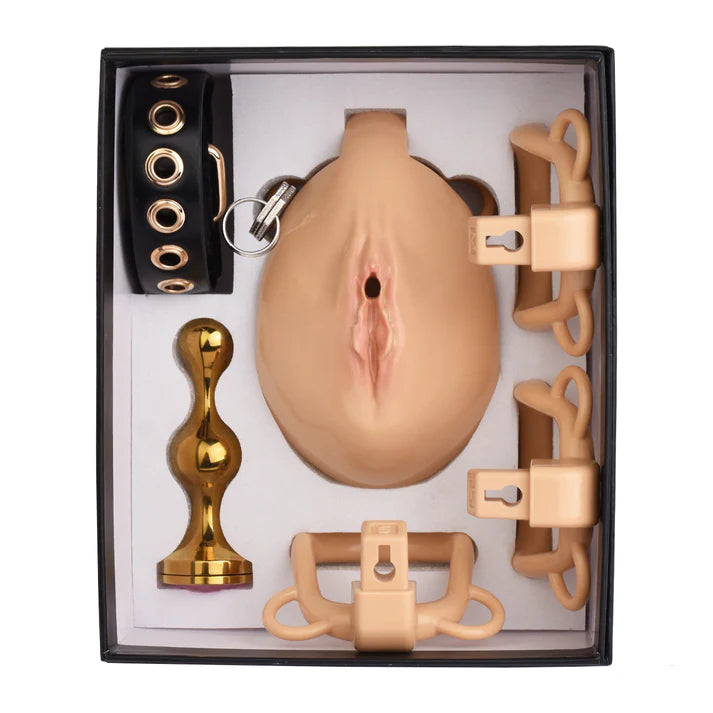
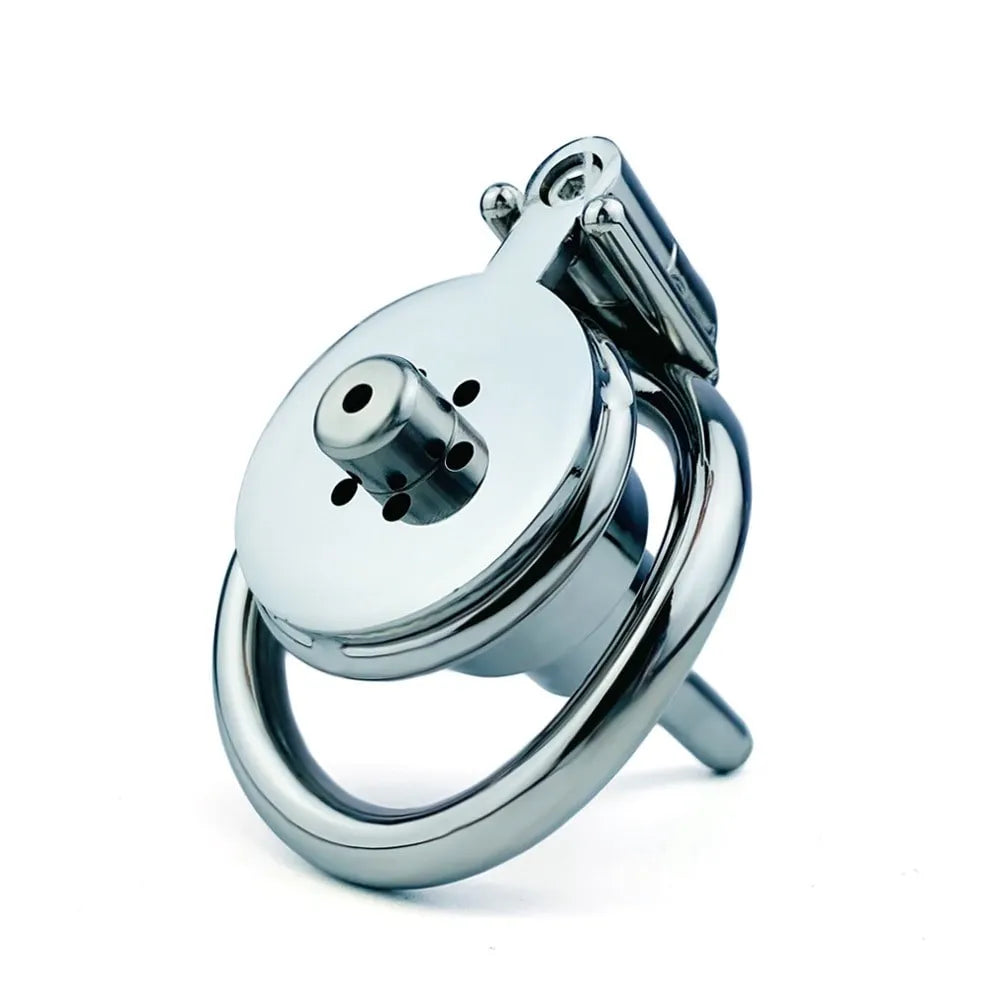
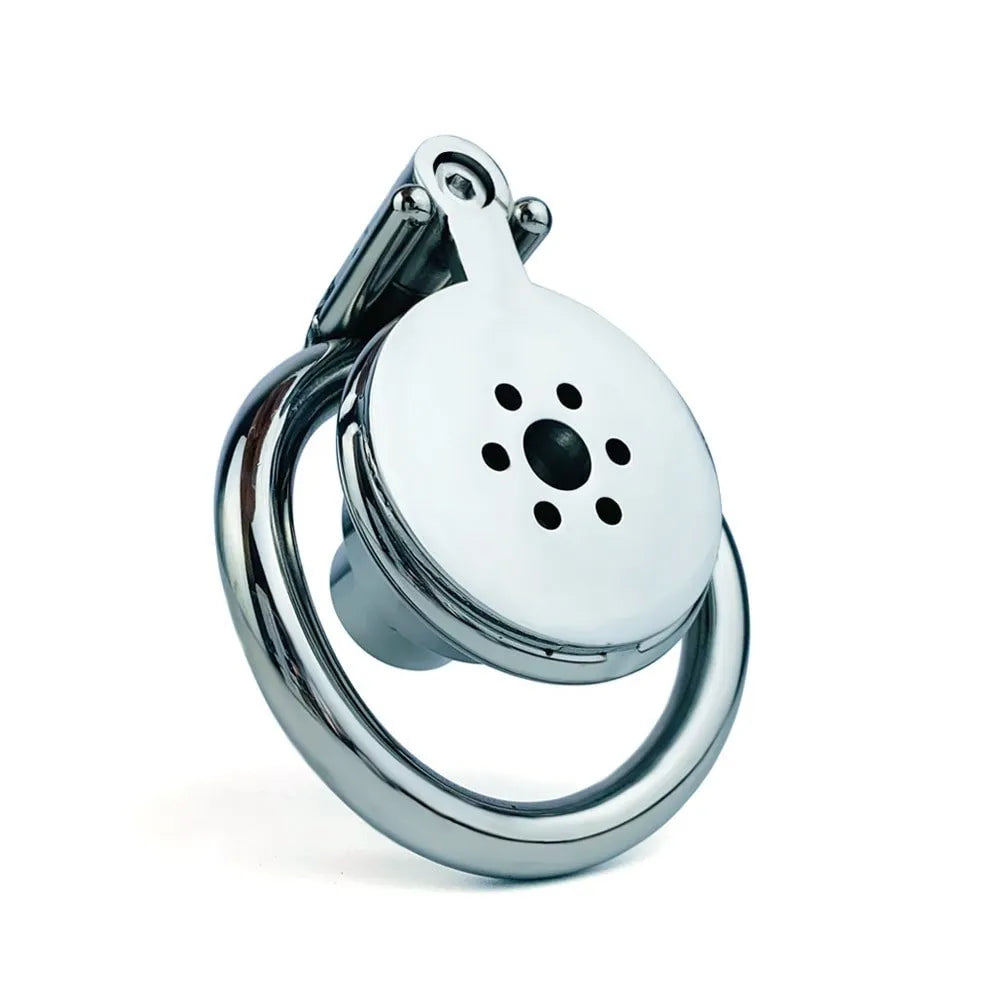
Having a kink is completely normal. In reality, the majority of people have one, even if not everyone dares to express it. The fantasy of being tied up, dominating or being dominated, using accessories like a chastity cage, a butt plug, or a collar are examples of very widespread kinks. What may seem strange to some appears perfectly natural to others.
What matters most is consent: a kink is only "healthy" when it exists within a respectful, mutually shared framework.
Kinks are as diverse as individuals. Drawing up an exhaustive list is impossible, but we can distinguish a few broad categories:
Power and control kinks: domination/submission, master/submissive role-play, chastity cages, discipline, servitude.
Sensory kinks: spanking, bondage, temperature play, intense sensations (pinching, hot wax, electrostimulation).
Aesthetic or fetish kinks: attraction to shoes, stockings, lingerie, uniforms, leather, latex.
Psychological kinks: consensual humiliation, exhibitionism, voyeurism, scripted role-play.
Bodily exploration kinks: pegging, urethral sounds, butt plugs, prostate play.
Each person builds their own erotic universe by drawing from these dimensions. What arouses one person may leave another indifferent, and it is precisely this diversity that makes the world of kink so fascinating.

You don't really choose your kink. Like many sexual preferences, it often imposes itself on us — sometimes during adolescence, sometimes later, after a defining experience. However, it is possible to set out to discover your desires by staying attuned to your own reactions.
A few ways to explore:
Observe your recurring fantasies: what keeps coming back in your erotic dreams?
Try new accessories: a chastity cage, a pair of handcuffs, or a blindfold can reveal unexpected pleasures.
Read or watch specialised erotic content: it stimulates the imagination and can bring hidden desires to the surface.
Talk with your partner: sometimes, the other person dares to put into words what you already feel.
Exploring a kink does not mean confining yourself to it. You can perfectly well try a practice once, enjoy the experience, but not feel the need to repeat it often.
Embracing a kink means accepting a part of yourself that you may have long suppressed. This process can take time, as it sometimes conflicts with social or family norms.
Some people carry lasting shame around their desires. Yet it is essential to remember that as long as practices remain consensual, there is nothing problematic about them. Sexologists emphasise this point: the diversity of kinks is part of sexual health.
Embracing your kink can involve several steps:
educating yourself to understand you are not alone,
finding supportive communities or forums,
gradually sharing your desires with a trusted partner,
practising within a safe and respectful framework.
This approach often brings great psychological relief, and sometimes even a renewed sense of closeness within a relationship.

The terms kink and vanilla sex are often contrasted. "Vanilla" sex refers to sexuality without any particular fantasy, centred on the most common practices: penetration, caressing, classic foreplay. Some call it "basic," but this should not be understood as a value judgment.
Vanilla can be just as fulfilling as kinky. What matters is compatibility between partners. A relationship where one person dreams of bondage and the other is satisfied with very simple sex risks creating tension — but dialogue can build bridges. You can, for example, introduce light touches of role-play into a vanilla relationship, or alternate between kinky moments and simpler ones.
In truth, the boundary is more fluid than it appears. Many couples unknowingly practise mild forms of kink: a blindfold, a light spank, a verbal dominance game.
Some people identify with many kinks; others find none that appeal to them. Both situations are perfectly legitimate. You can live a fulfilling and rich sex life while remaining vanilla. What matters is honesty with yourself and with your partners.
Saying "I don't have a kink" doesn't mean you are boring. It simply means you find pleasure in more straightforward forms of sexuality. Equally, saying "I have a kink" does not make you strange or marginal.
At their core, kinks are not only about sex: they reveal an intimate relationship with freedom, creativity, and transgression. Exploring a kink often means discovering a part of your unconscious — your deep fears and desires.
A chastity cage, for example, is not merely an object: it symbolises the loss of control, the surrender of one's sexuality to another. Leather and latex are not simply sensual materials: they embody an aesthetic imagination, a parallel world where you play different roles.
Reflecting on your kinks is therefore a way of reflecting on your own identity — on what you dare to show or hide.
Kinks are neither good nor bad. They are not an obligation or a rite of passage. They are a facet of the richness of human desire, a way of exploring your body, your mind, and your relationship with others.
What matters lies in three principles: consent, respect, and safety. With these, anything becomes possible — from the most reserved to the most daring.
Having a kink is normal. Not having one is normal too. What matters most is listening to your own desire and owning it without shame.
In this exploration, everyone charts their own path — whether it is vanilla, kinky, or a subtle blend of both.
A kink is a sexual preference or interest that falls outside the "vanilla" (classic) framework. It can involve an accessory, a scenario, a power dynamic (domination/submission), or a particular sensation. A kink does not define a whole person; it describes a singular way of experiencing pleasure, to be explored only within a consensual framework.
Yes, having a kink is normal… and it is equally normal not to have one. Preferences vary from person to person. What matters is honesty with yourself and mutual respect: no practice is "compulsory" in order to be fulfilled.
Start with your recurring fantasies, read erotic stories, communicate with your partner, and carefully try simple accessories (blindfold, handcuffs, chastity cage, butt plug). Take small steps, set boundaries, agree on safe words, and debrief after each experience.
"Vanilla" encompasses classic, straightforward practices; "kinky" introduces more specific scenarios, dynamics, or sensations (bondage, chastity, role-play, fetishes). Many couples move between the two, adding kinky touches to a vanilla sex life according to desire and consent.
Choose a moment outside of a sexual context, express your desires in the first person ("I'd like to try…"), suggest gradual options, listen to their limits, and co-create simple ground rules (explicit consent, safe word, check-in afterwards). Respect an immediate and reversible "no."
At Plaisir & Chasteté, we provide you with all our expertise to offer you chastity cages that meet all needs, desires, and fantasies.