Cart
Your cart is empty

The male body still holds many mysteries, and some intimate choices continue to disturb — or even fascinate. Among them, the Prince Albert piercing holds a unique place. Half legend, half sensual practice, it intrigues through its audacity as much as it questions our relationship with virility, pain and pleasure.
This discreet jewel — or rather this radical act — tells a story of control, trust and assumed sensuality. It travels through time, fantasies and taboos. But what do we really know about this most particular piercing? Where does its name come from? What does it change in the body and in sexuality? Why does it attract so many BDSM and chastity enthusiasts?
The Prince Albert piercing is one of the most well-known male genital piercings — and also one of the most symbolically charged. It passes through the urethral meatus, from the urethral opening to the underside of the glans, where it exits. A ring or curved barbell is then placed there, often with a retaining bead. Unlike more decorative piercings, this one has a direct connection with sexuality and sensation.
This piercing stands out for its apparent anatomical simplicity and for the intensity of the reactions it provokes. Some see it as a sign of assumed virility, others as an act of erotic submission or a form of reclaiming the male body. In any case, it leaves no one indifferent.
| Key facts about the Prince Albert piercing | Details |
|---|---|
| Type of piercing | Male genital piercing passing through the urethra and exiting beneath the glans |
| Origin of the name | According to legend, Prince Albert (husband of Queen Victoria) reportedly wore one |
| Estimated pain | Strong but very brief, comparable to an intense sting lasting a second |
| Healing time | On average between 4 and 8 weeks depending on aftercare |
| Impact on sexuality | Increases urethral and glans stimulation, as well as that of the partner, depending on the jewellery type |
The name comes from a persistent legend according to which Prince Albert, husband of Queen Victoria, wore this piercing to keep his genitals flat against his thigh under the very tight clothing of the 19th century. No historical evidence confirms this detail, but the story has survived through time — no doubt because it blends aristocracy, restraint and discreet eroticism.
Even today, the name evokes a certain elegance of vice: that typically Victorian mix of bodily discipline and repressed sensuality. It is probably this ambiguous aura, poised between refinement and transgression, that has ensured the name's survival across the centuries.
The pain experienced depends on individual sensitivity, but it would be dishonest to claim that a genital piercing is done without discomfort. The area is rich in nerve endings and the perforation passes through thin but highly sensitive tissue.
The good news is that the pain is very brief: barely a second, often described as an intense sting followed by a short burning sensation. Healing, however, requires patience: between four and eight weeks, sometimes longer depending on hygiene and lifestyle.
Hygiene is paramount here: gentle cleansing, clean underwear, strict sexual abstinence during the first healing phase. A qualified professional will give precise instructions, and these must be followed without compromise. The pleasure of the Prince Albert piercing rests first and foremost on a respected and healthy body.
The Prince Albert piercing is not merely an ornament; it genuinely alters sexual sensations. Many men report heightened stimulation of the urethra and glans, sometimes to the point of discovering a new form of arousal — more diffuse and more internal.
For a partner, the effect depends on the type of jewellery and the position. A ring can rub against the G-spot or the cervix, while a curved barbell intensifies contact during thrusting. In anal sex, some partners also appreciate the presence of the jewellery, while others find it uncomfortable. It is a bodily dialogue to be explored together.
But not everything is pure pleasure. The risks must be addressed:
Infection: in the event of inadequate aftercare, as with any piercing.
Urethral tearing: rare, but possible if the jewellery is pulled violently.
Hypertrophic scarring or migration: especially with unsuitable metals.
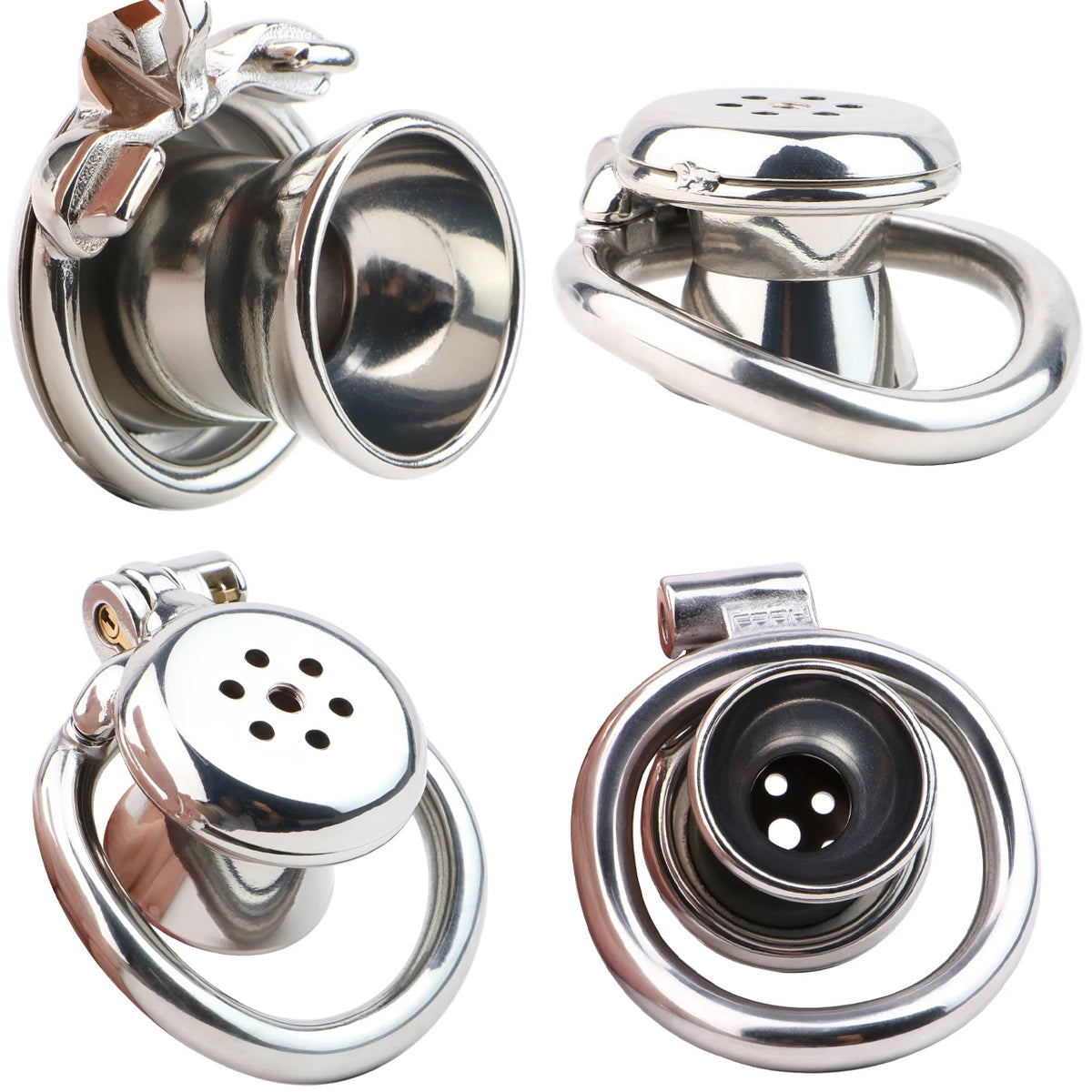
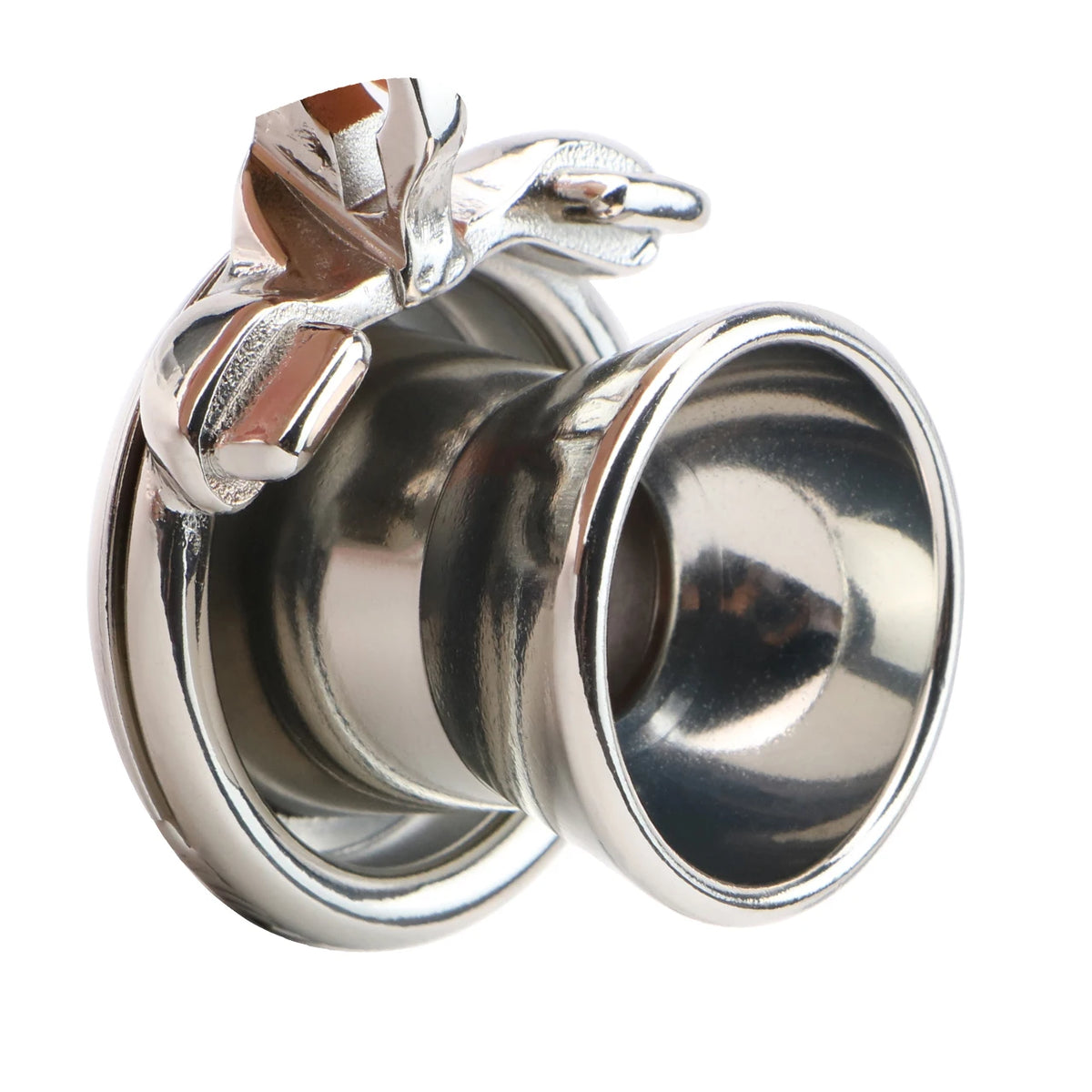
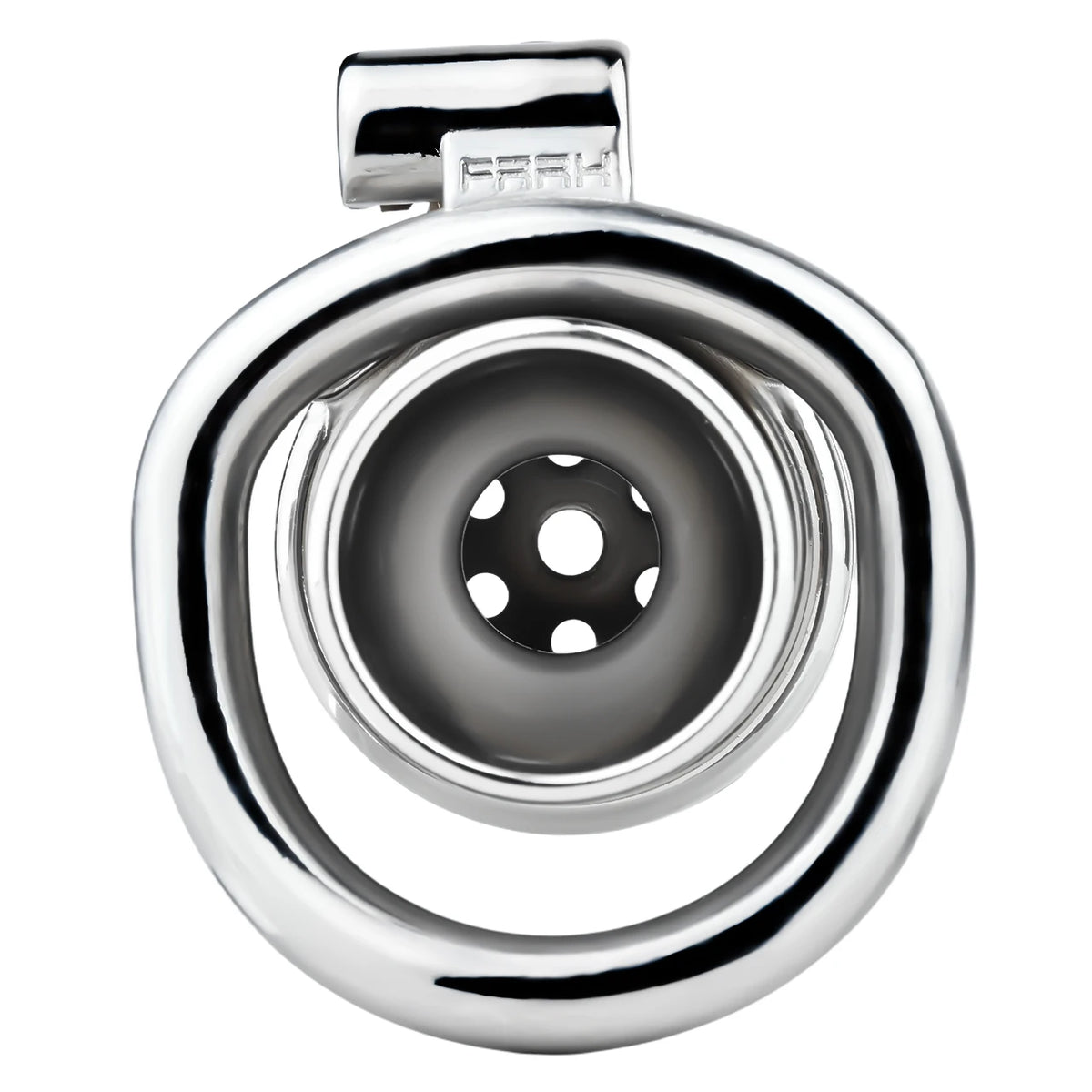
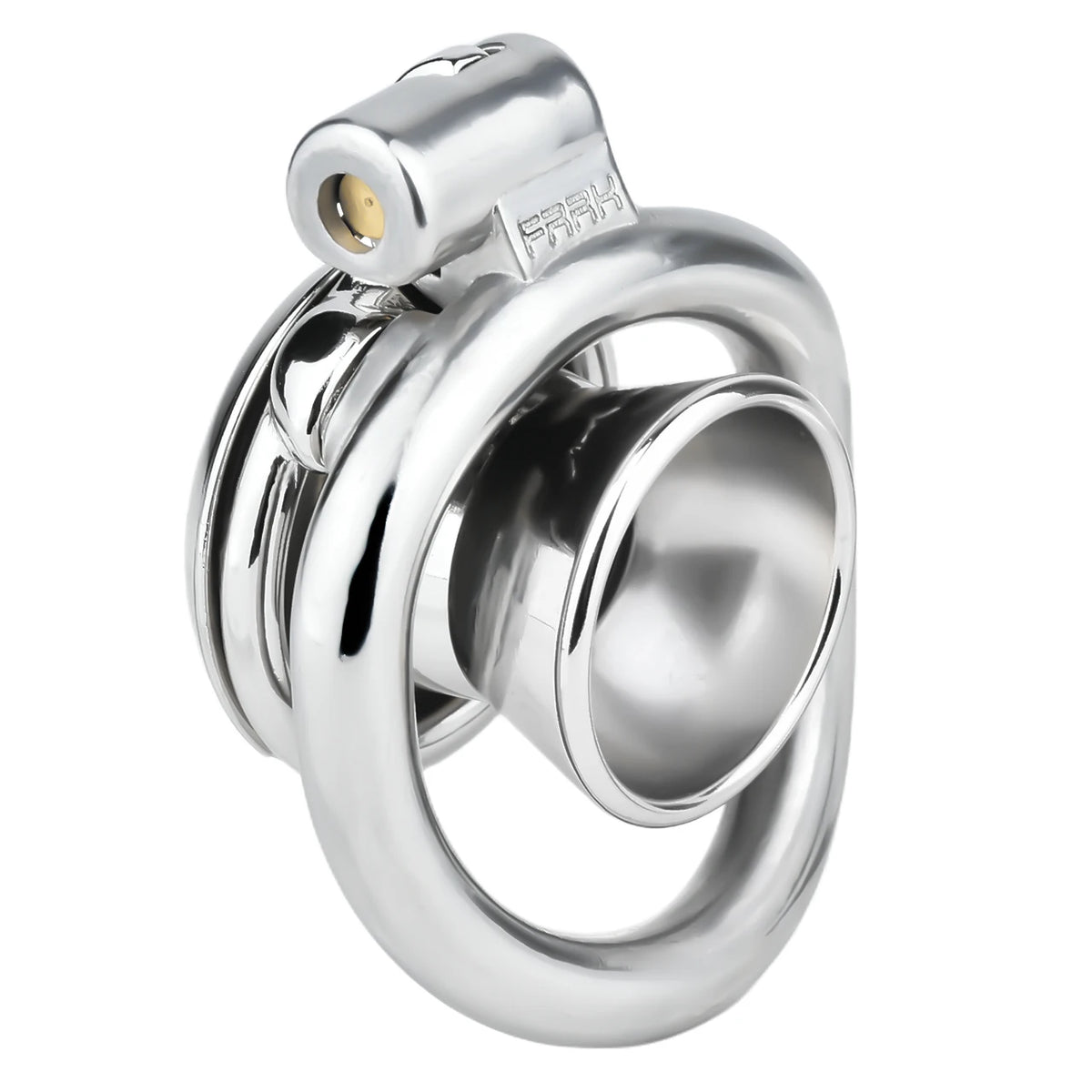
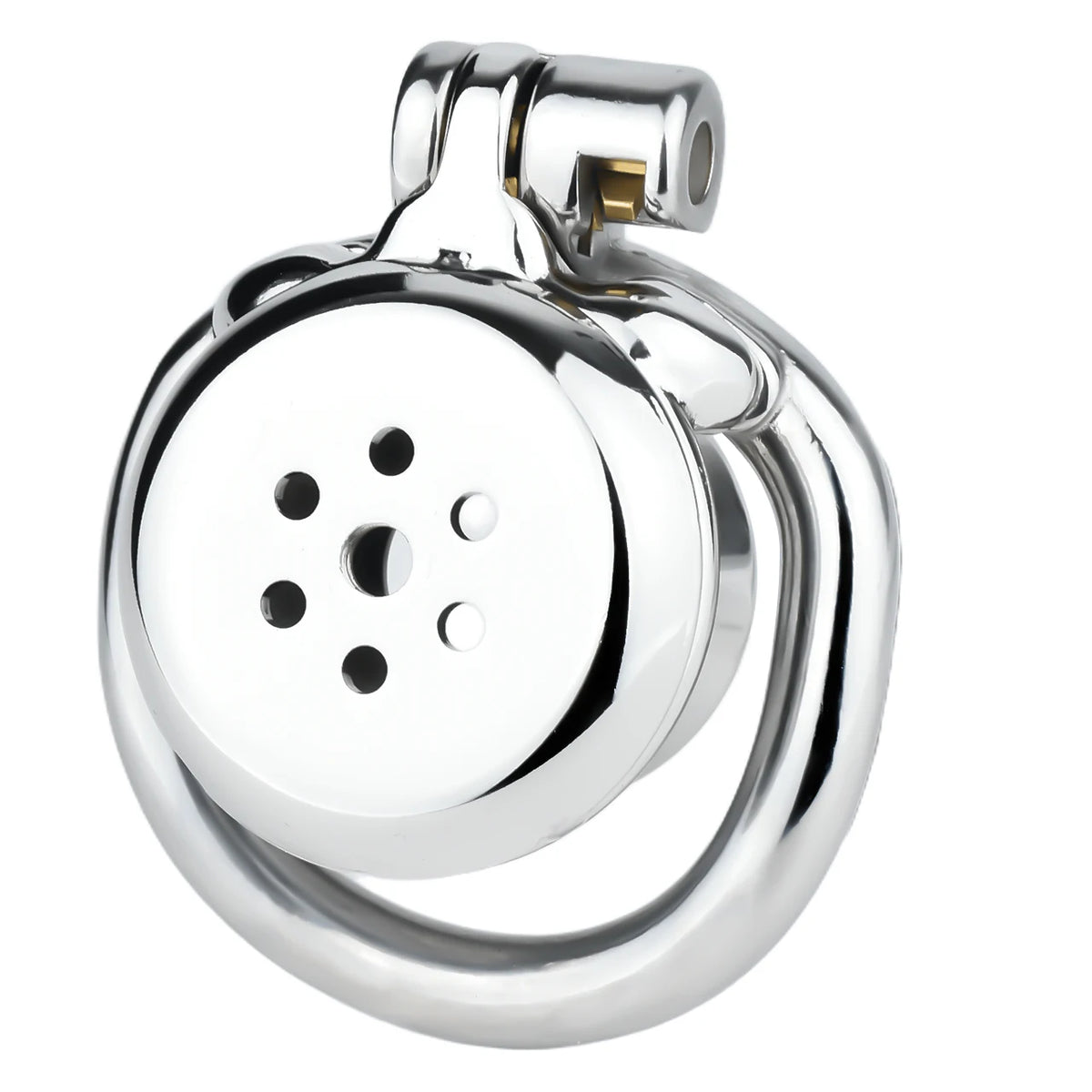
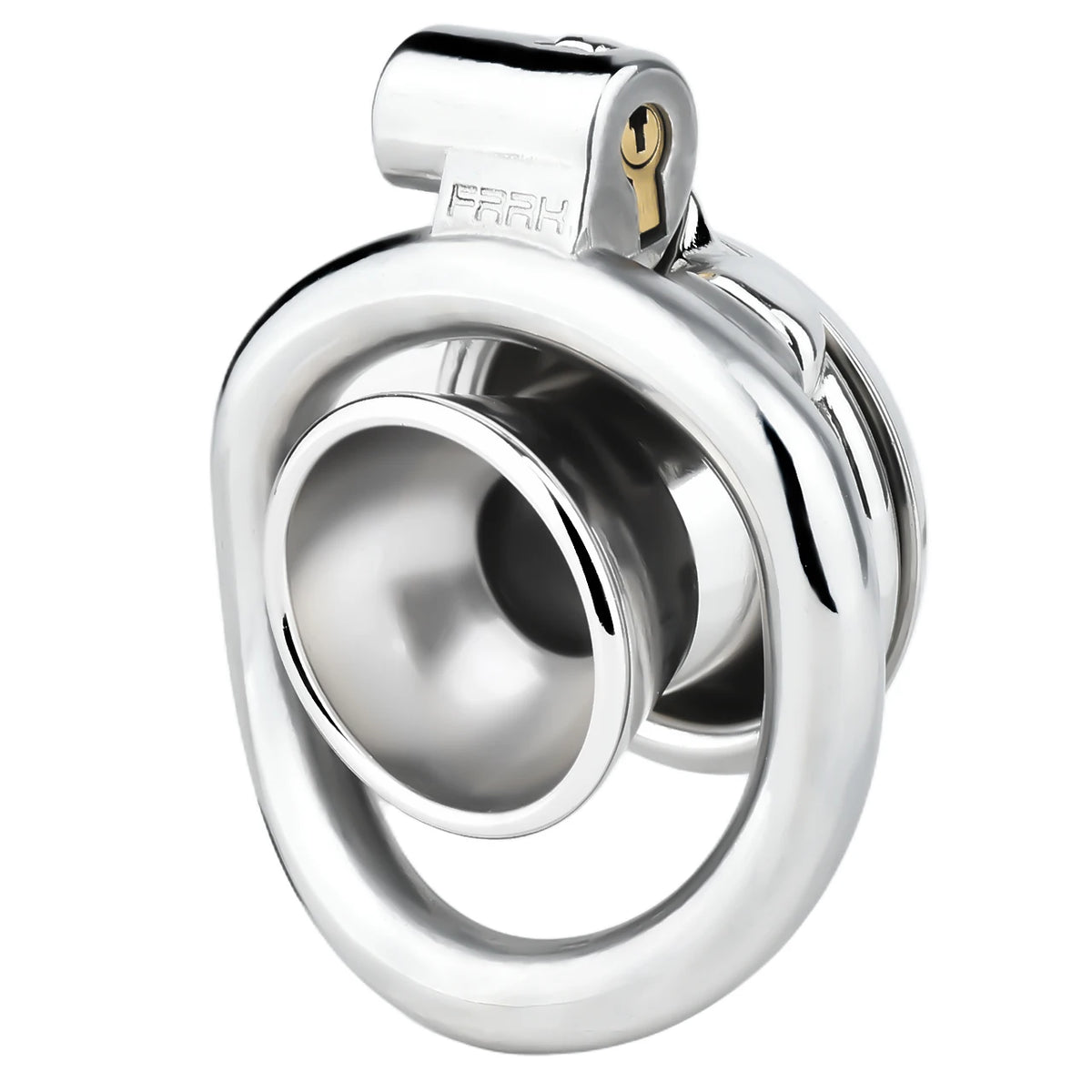
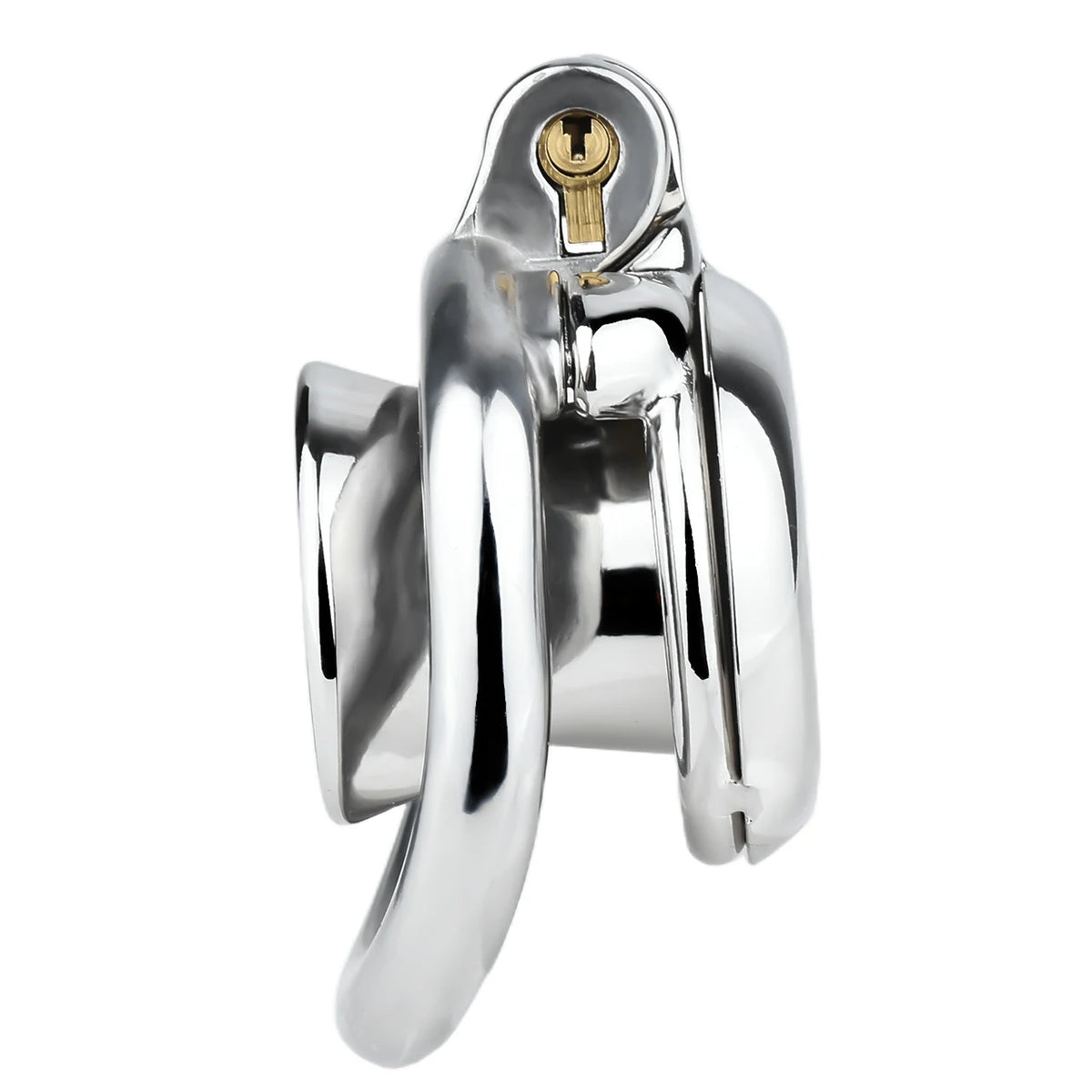
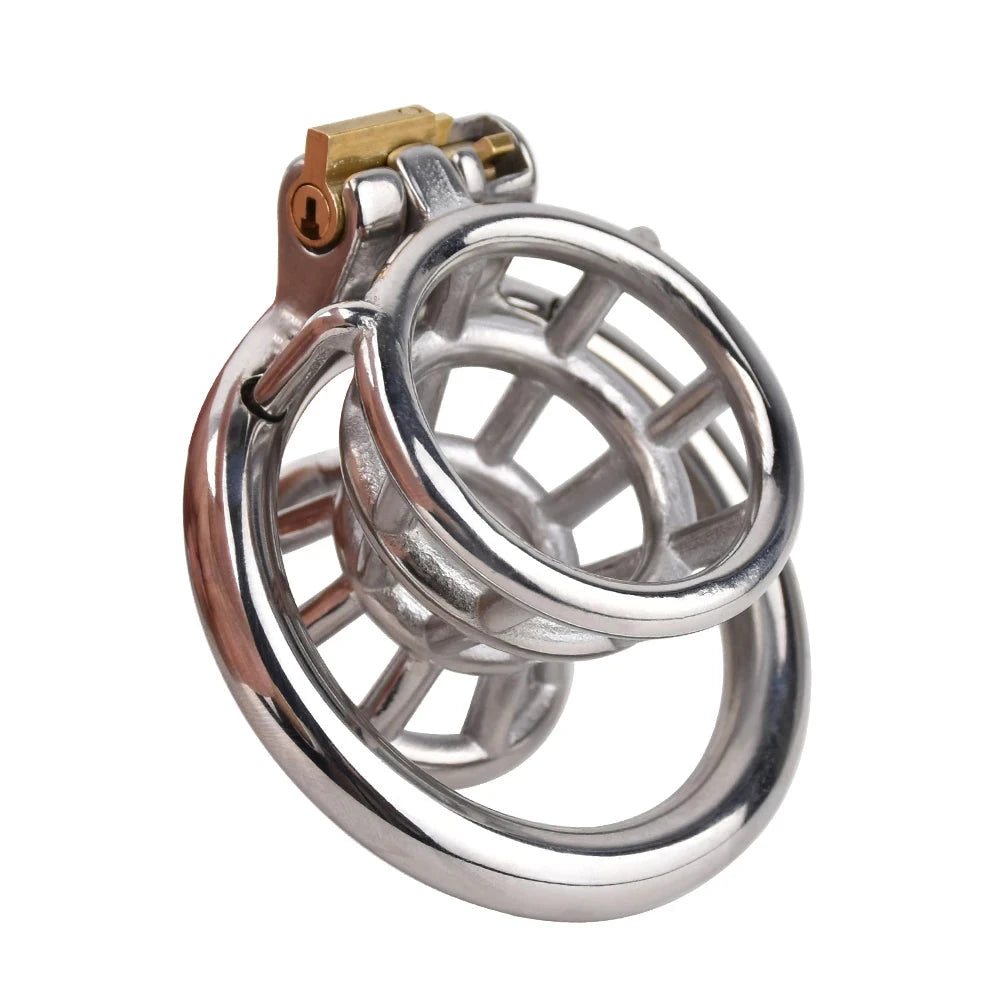
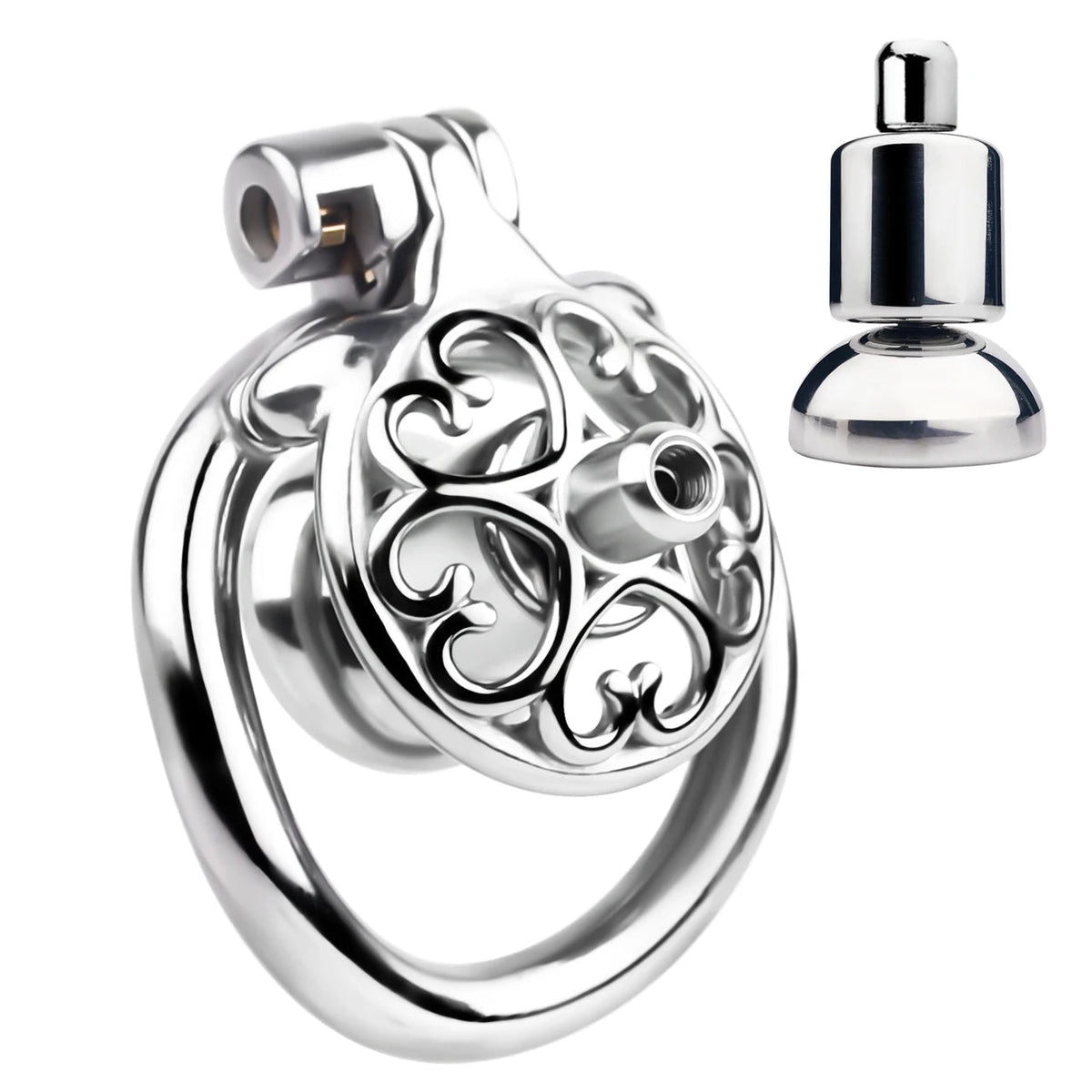
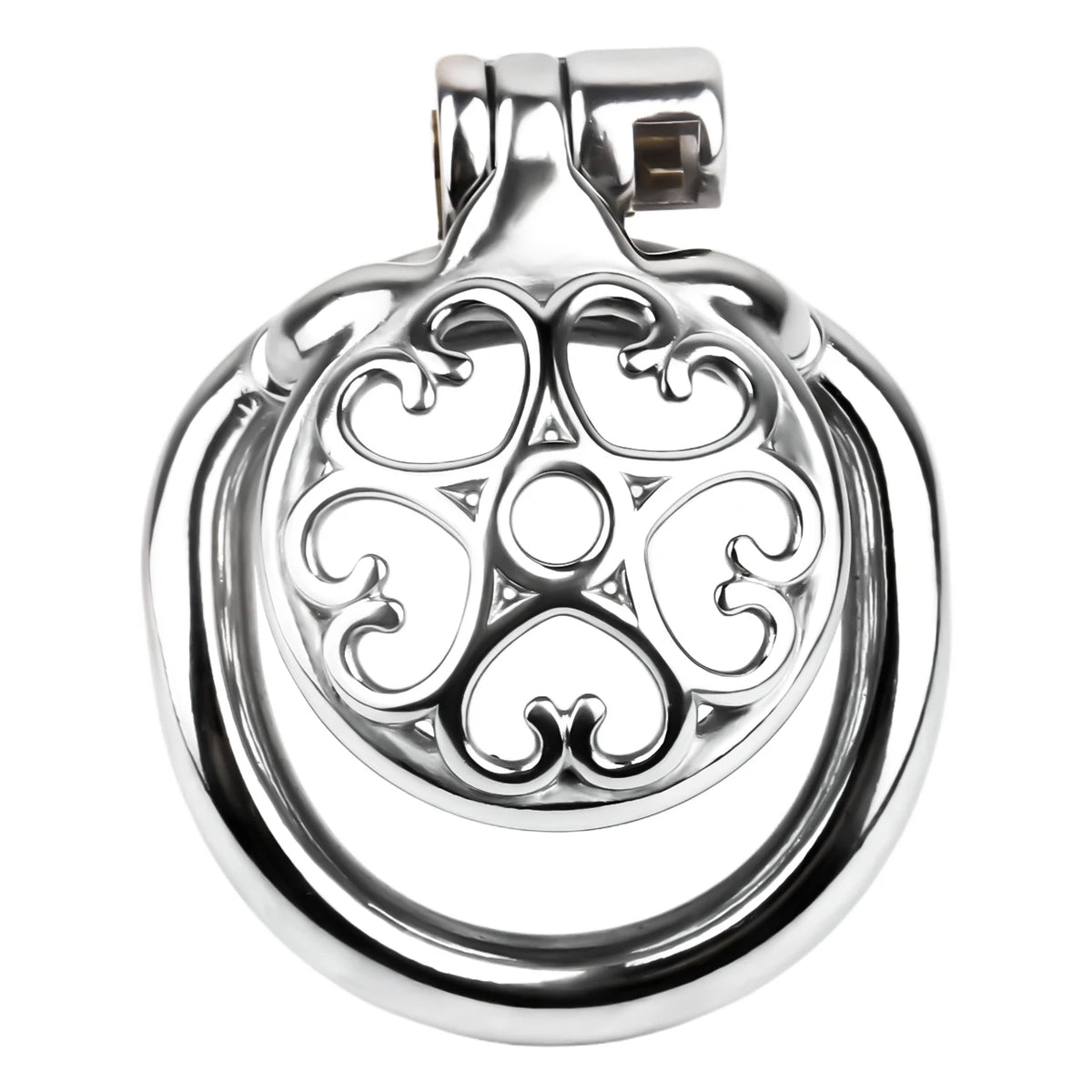
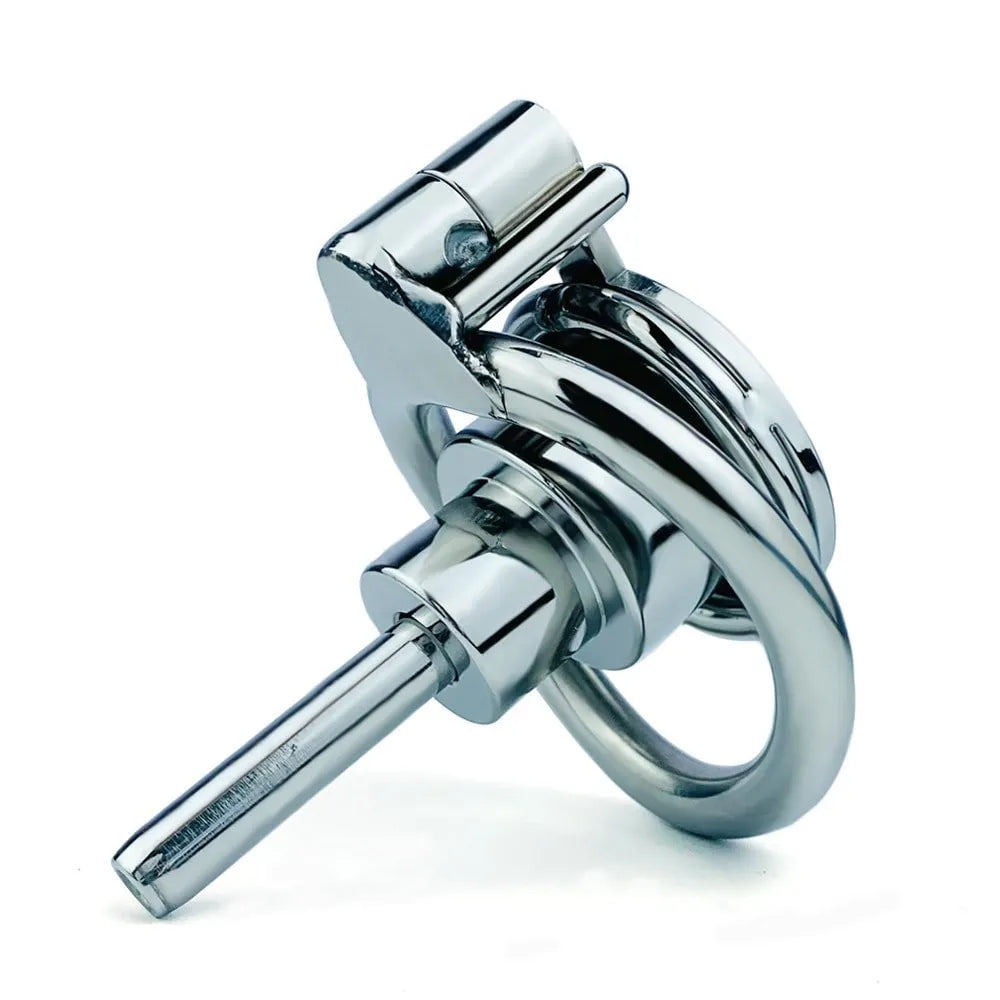
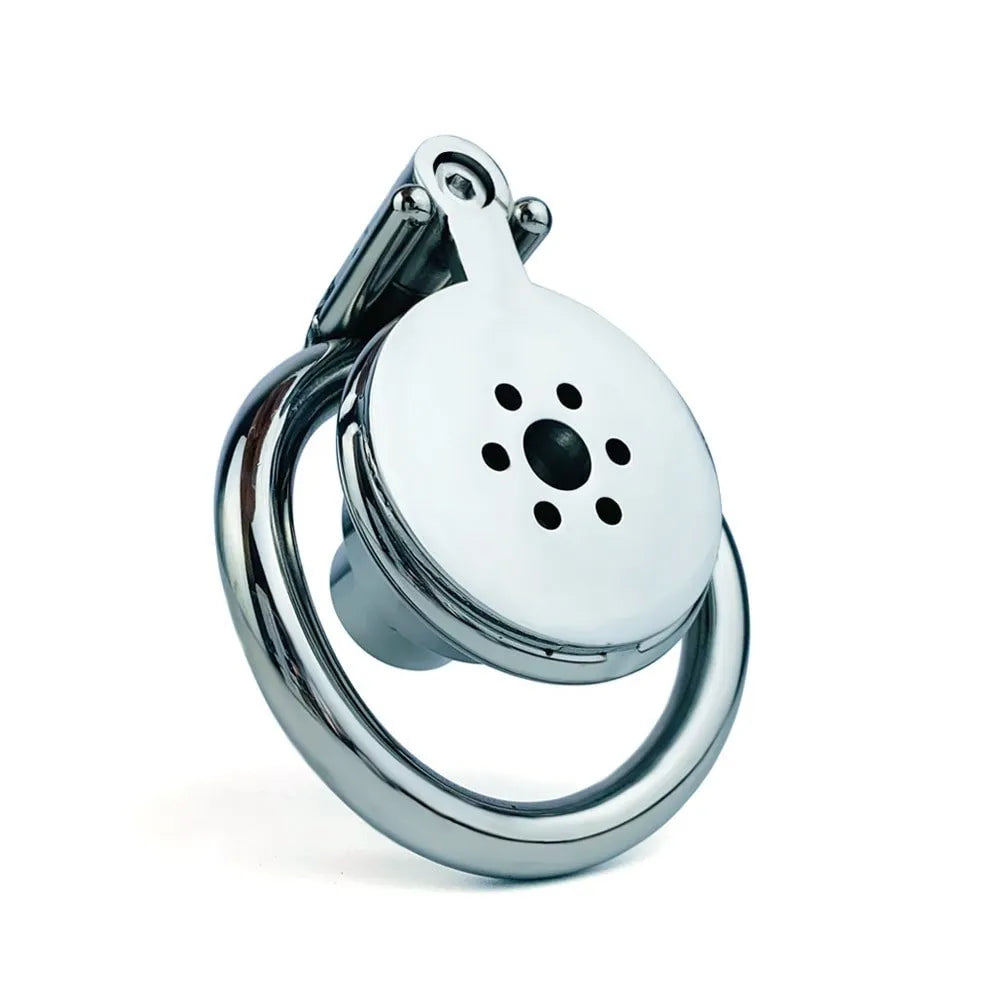
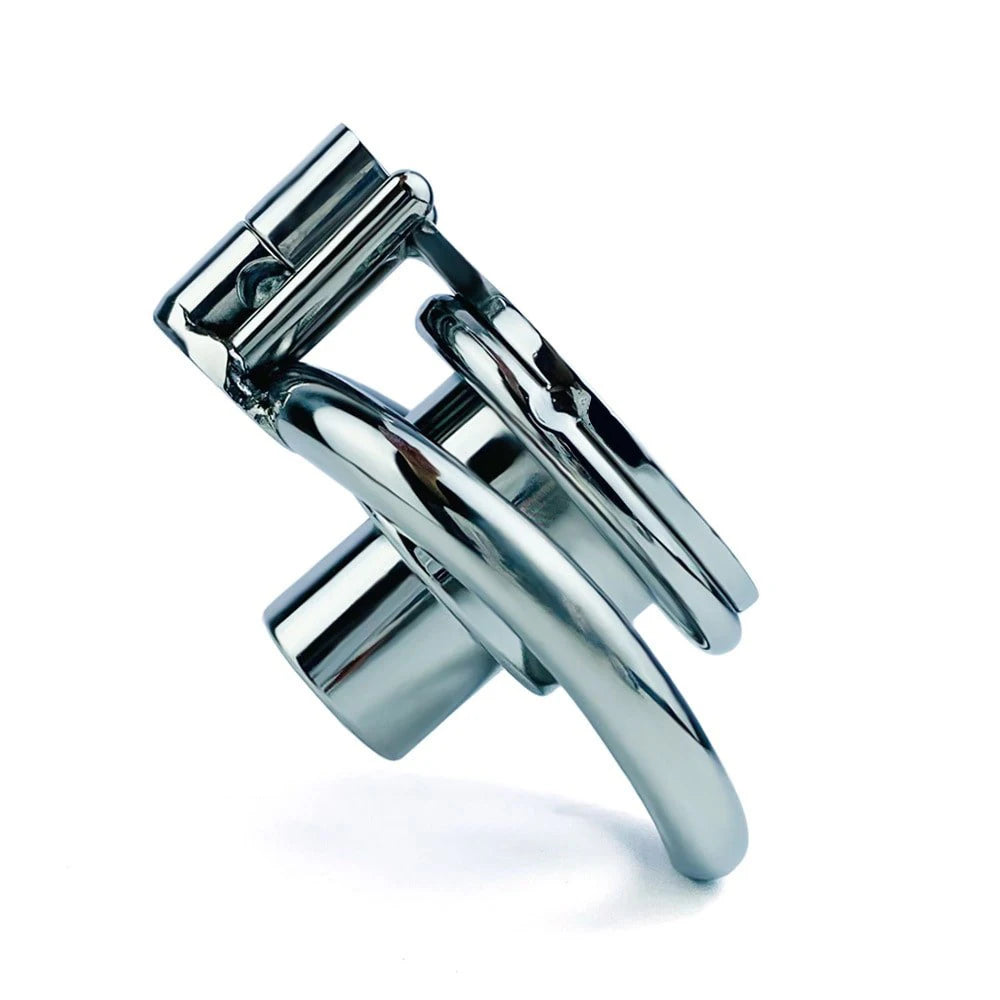
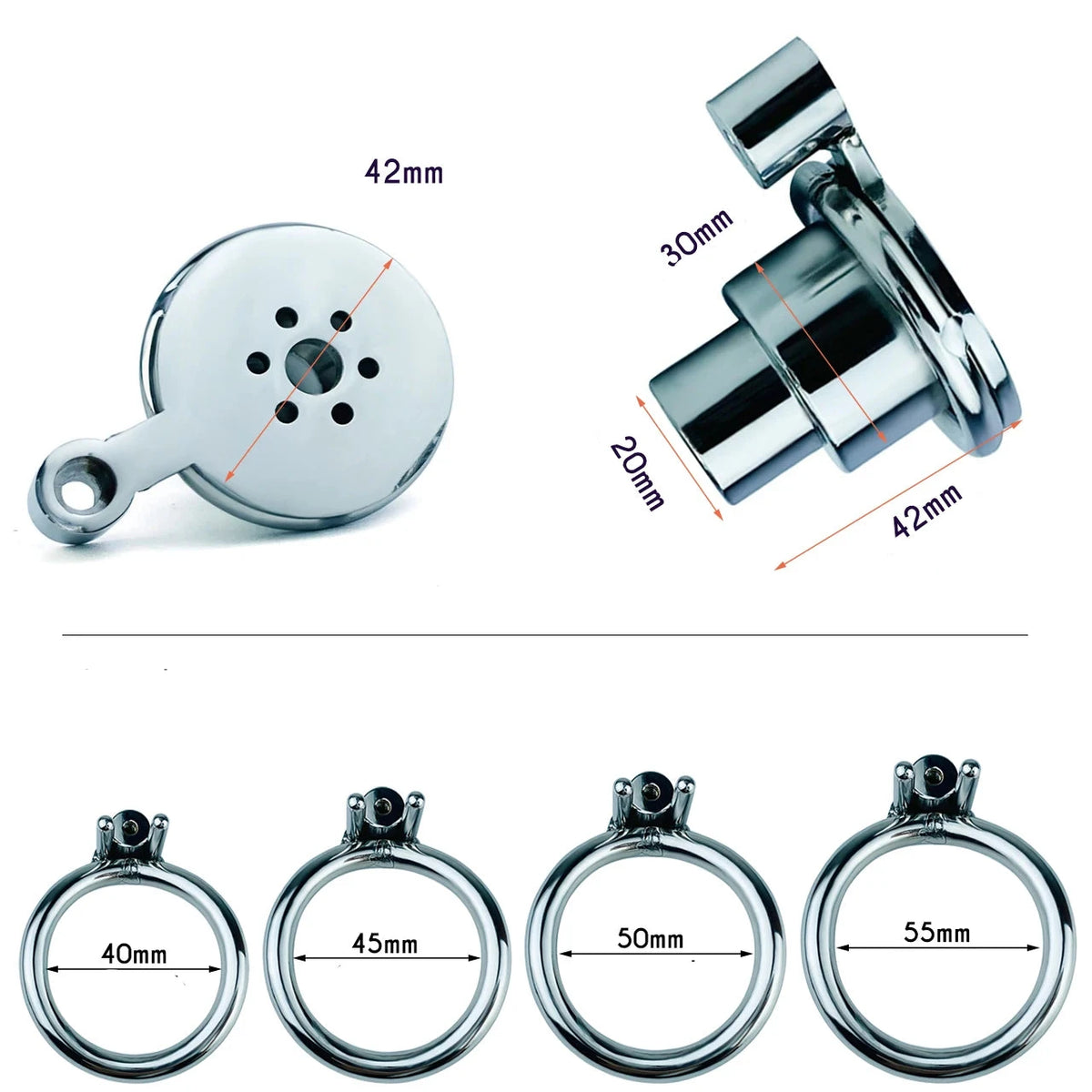
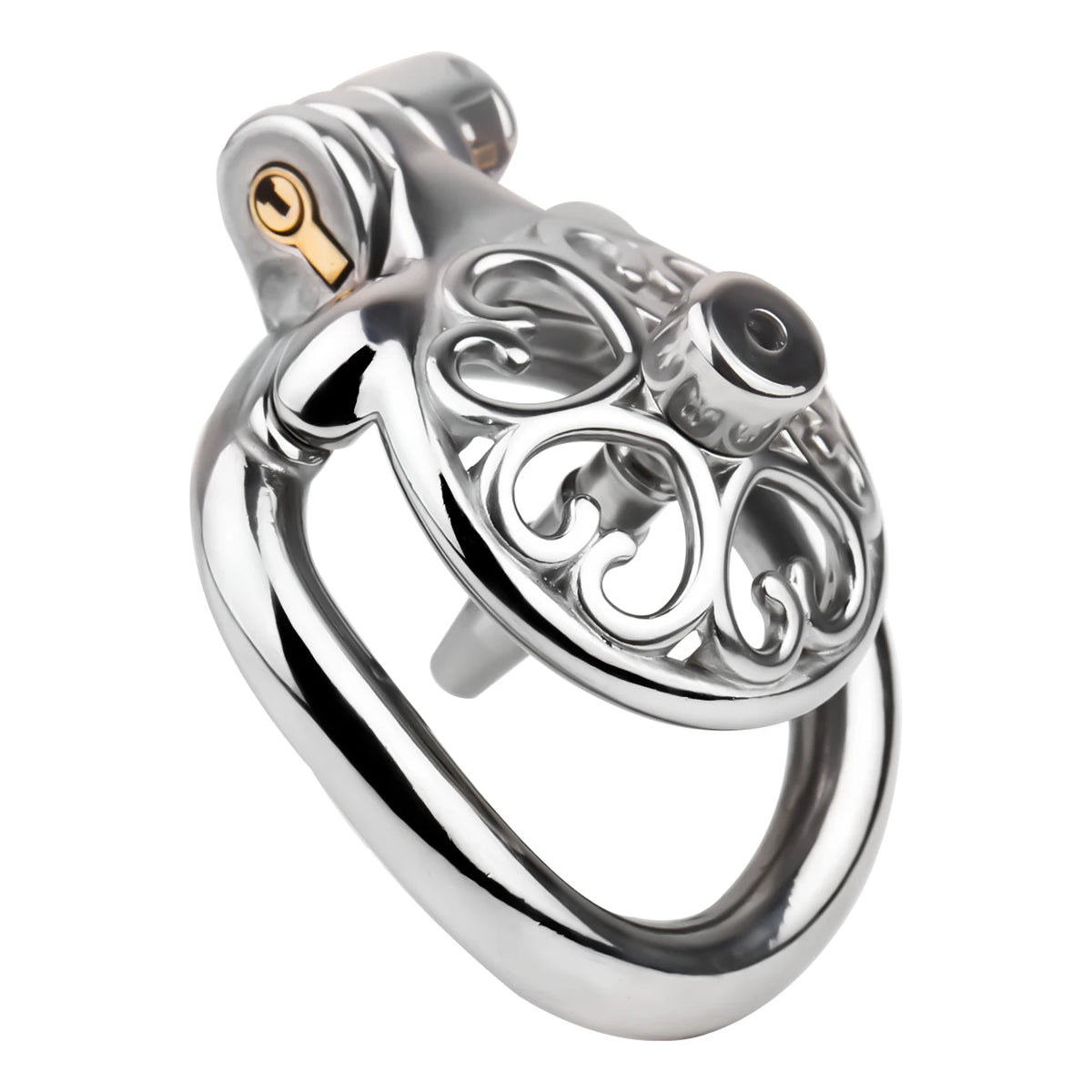
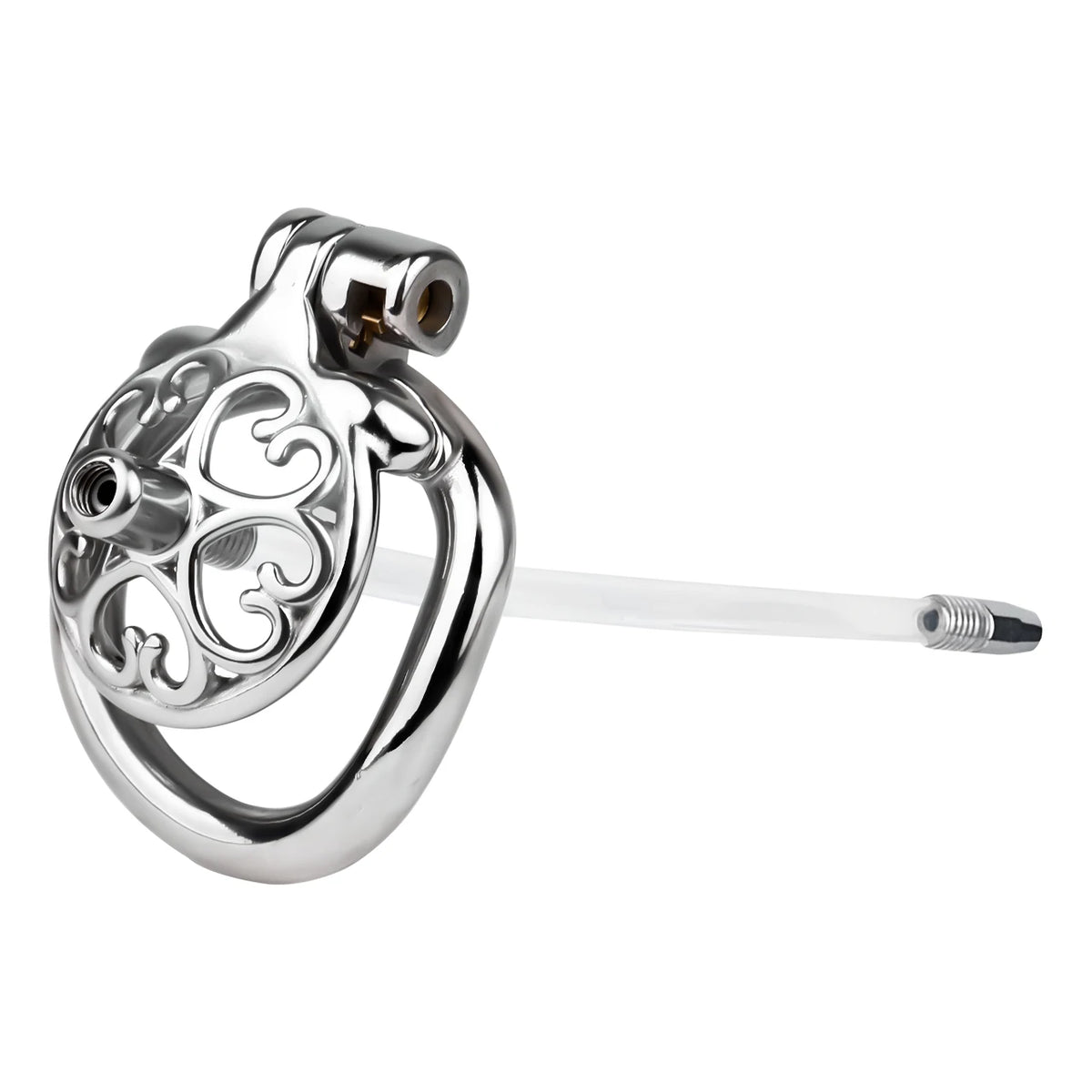
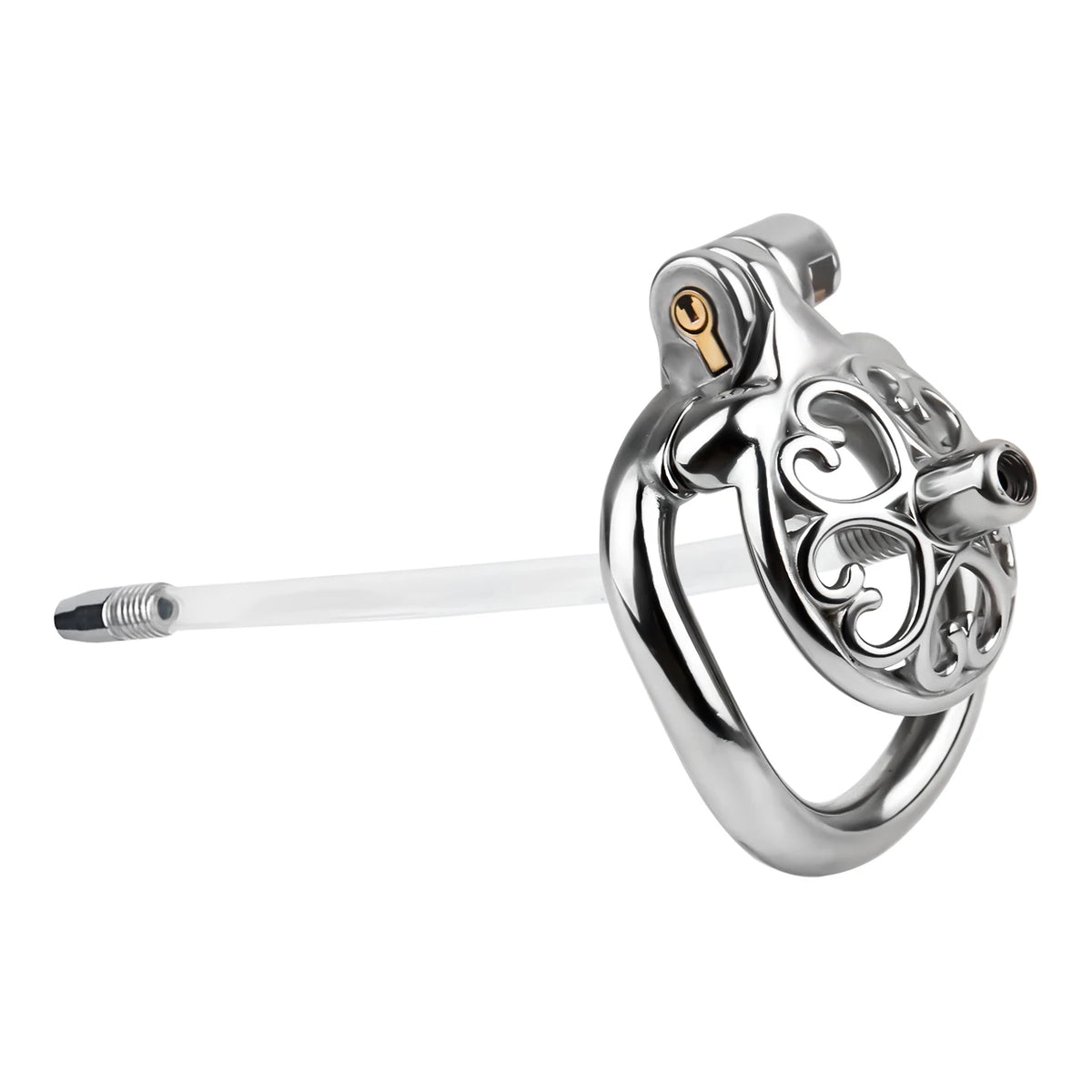
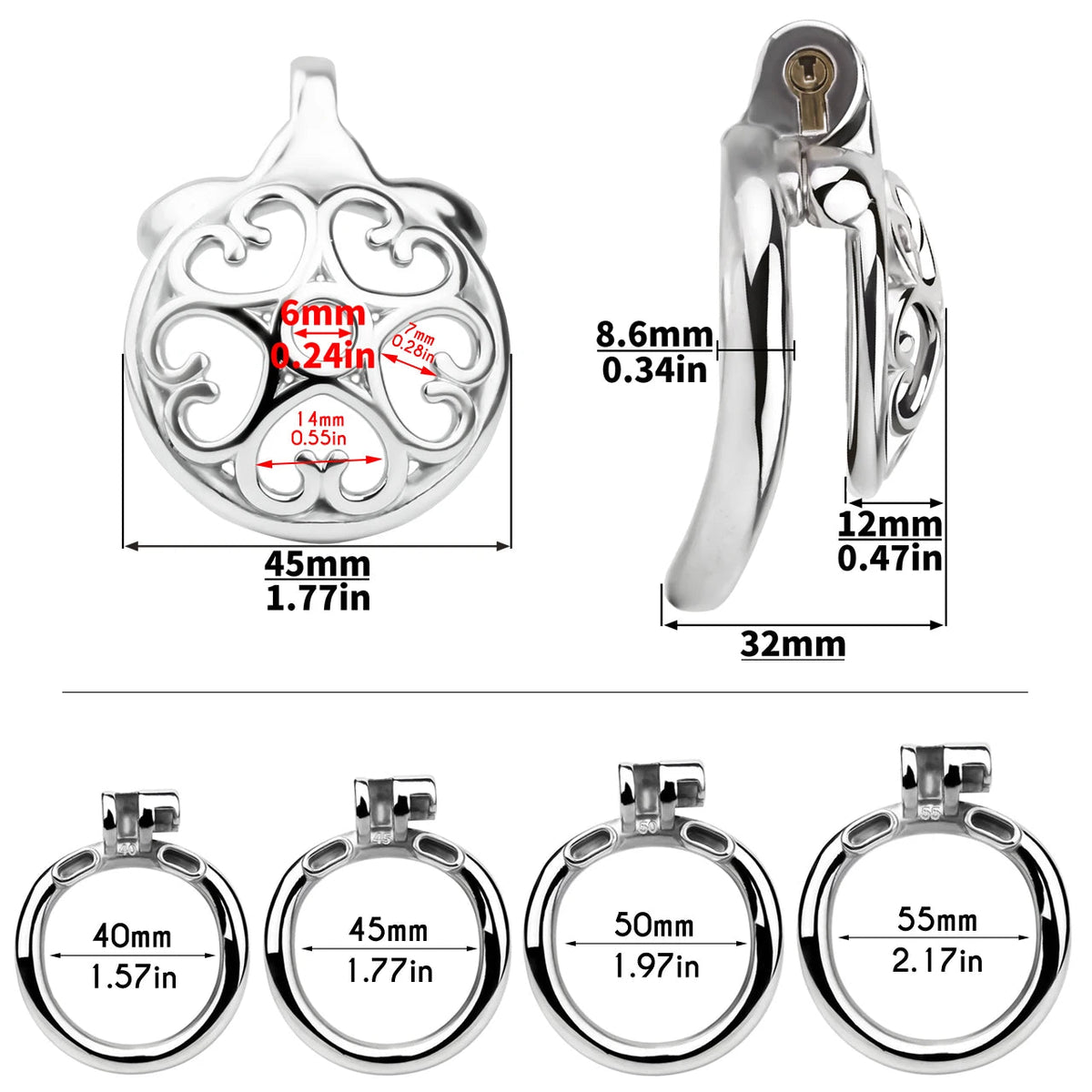
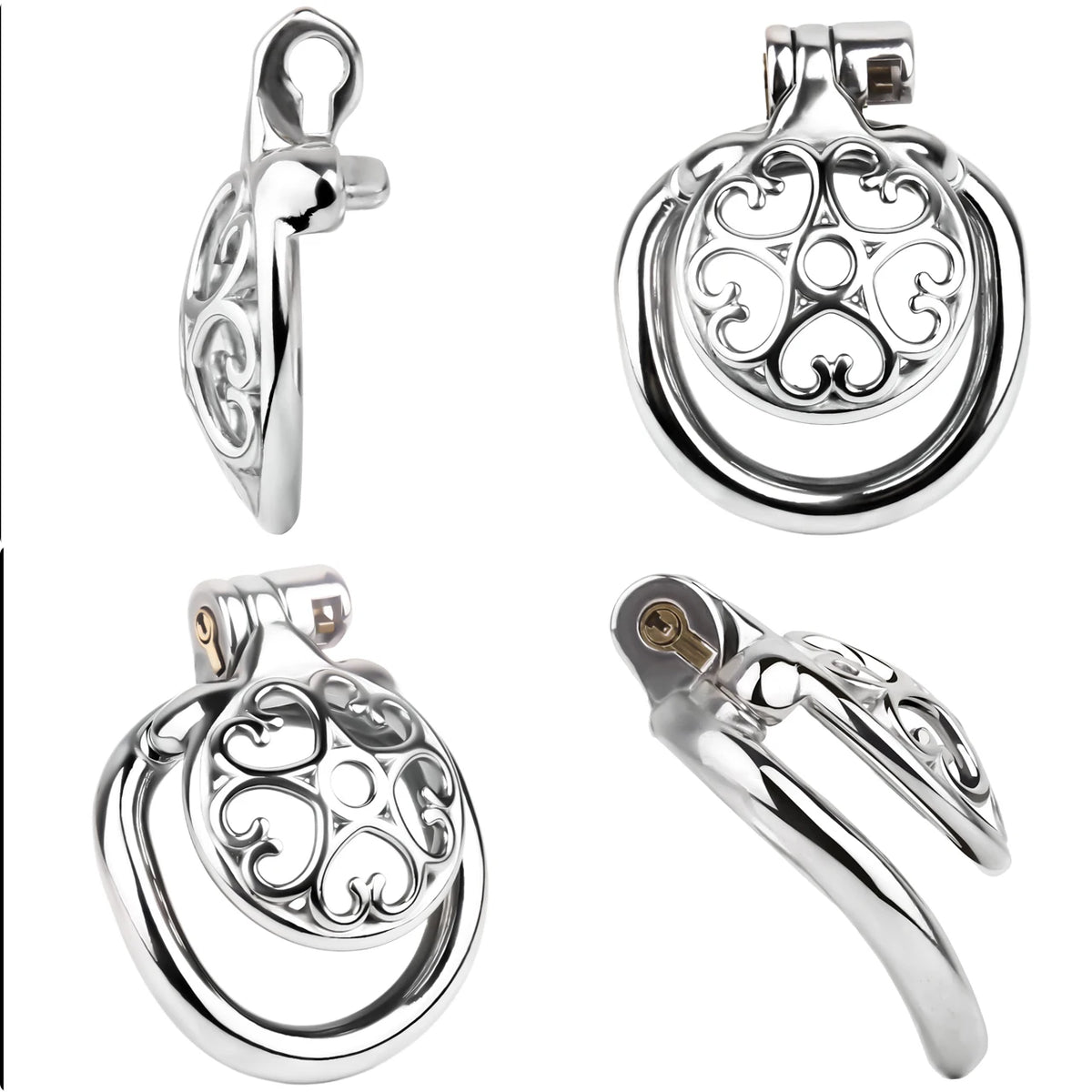
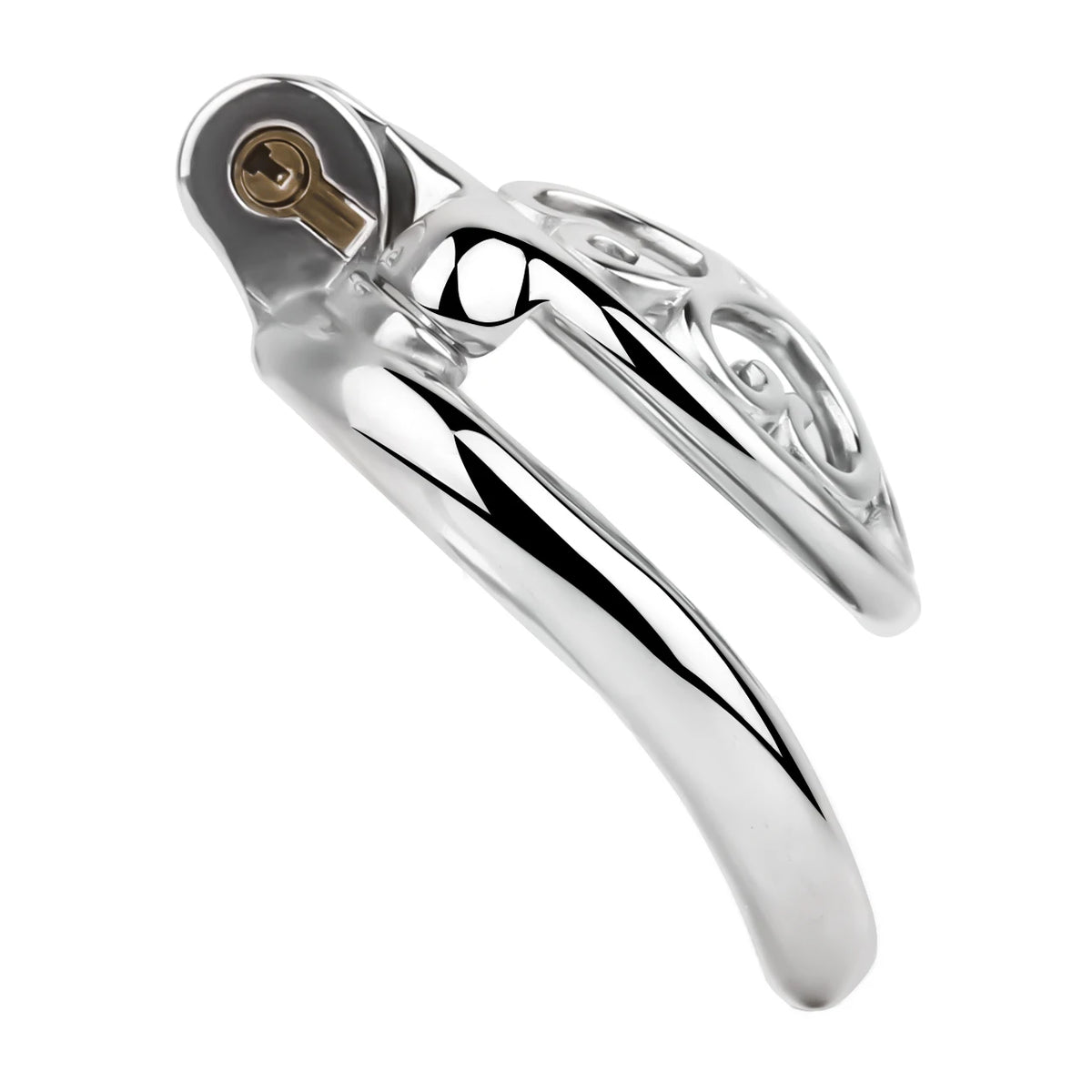
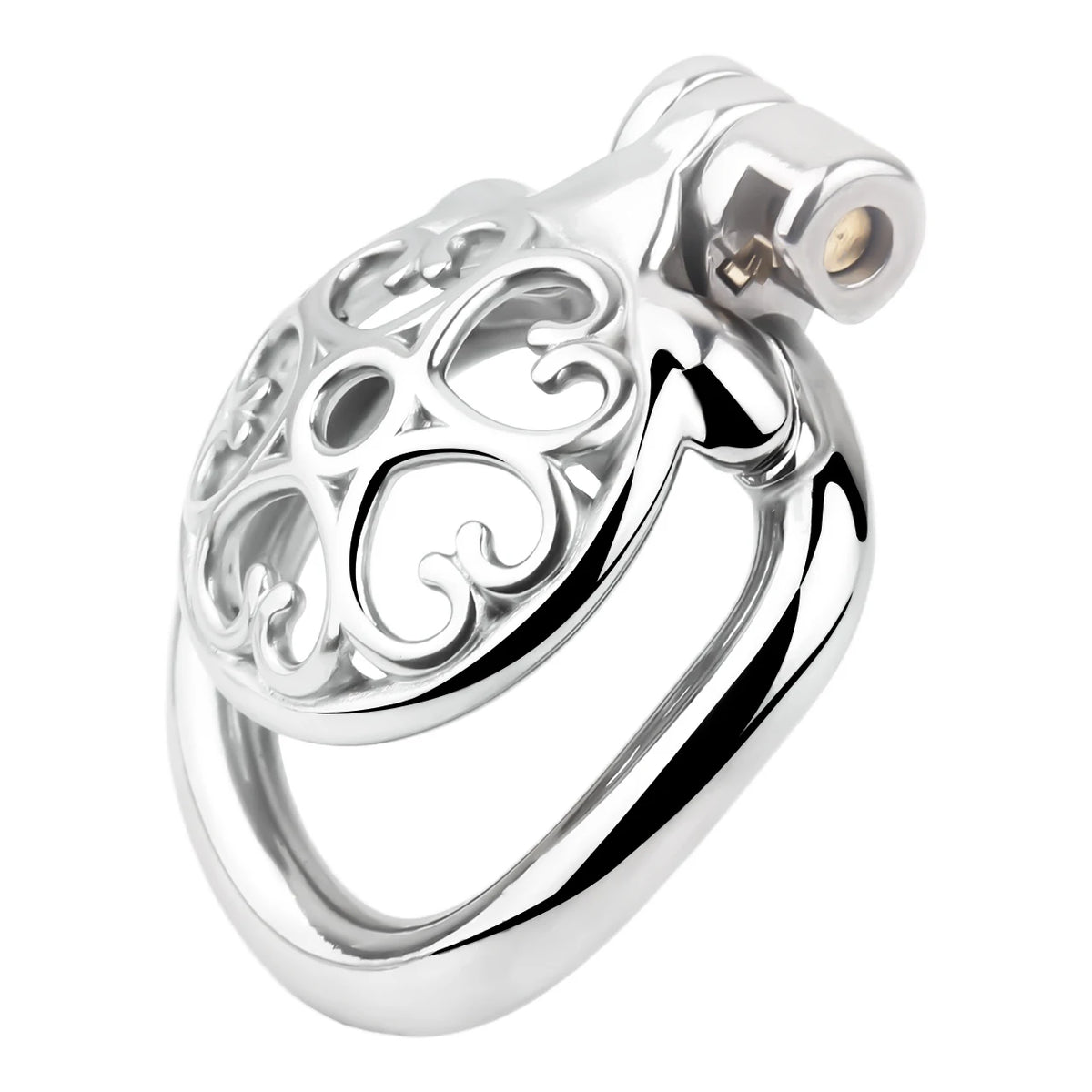
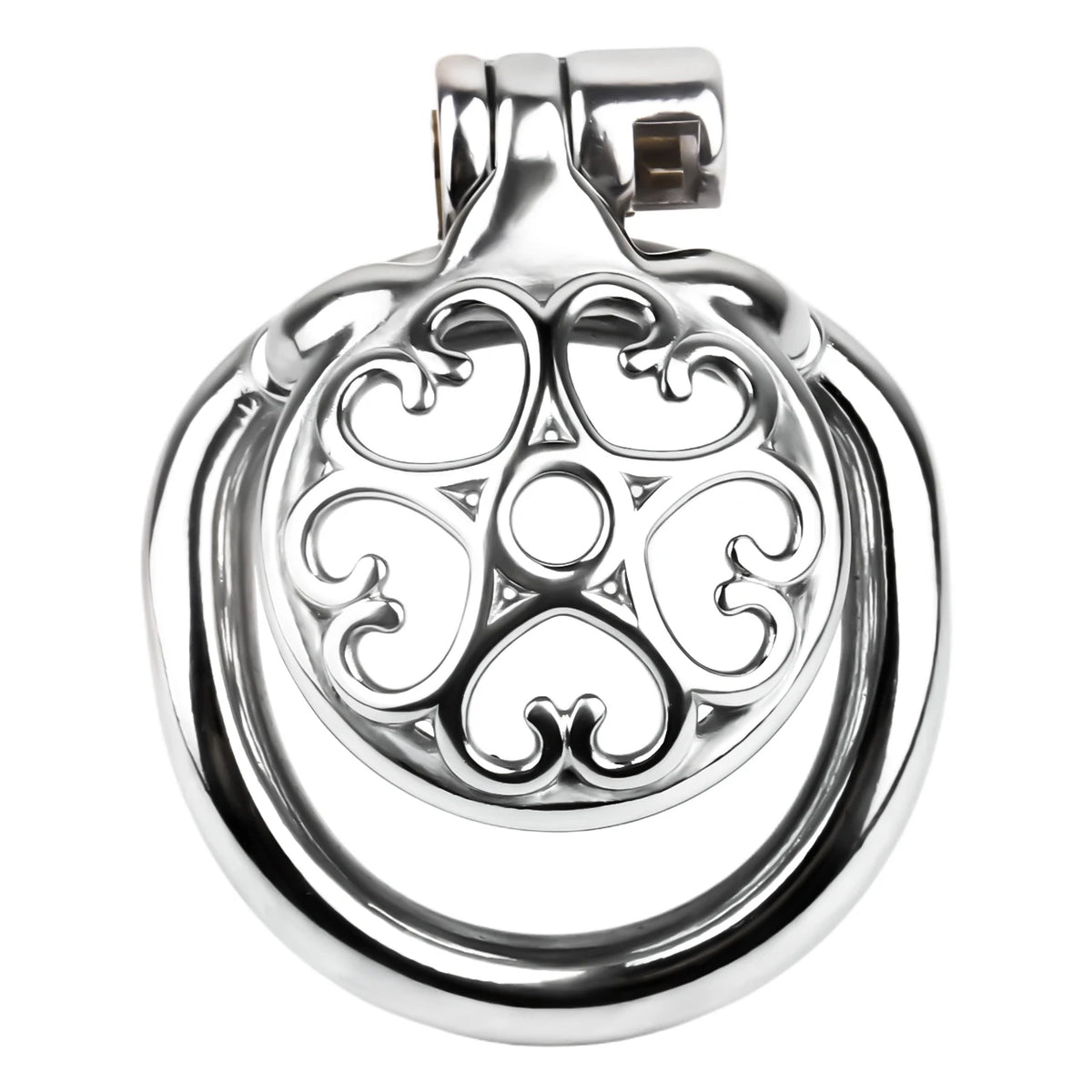
The choice of jewellery and size is therefore crucial. Many opt for surgical titanium or medical-grade stainless steel. And some even choose a Prince Albert chastity cage, specifically designed to attach to the piercing ring.

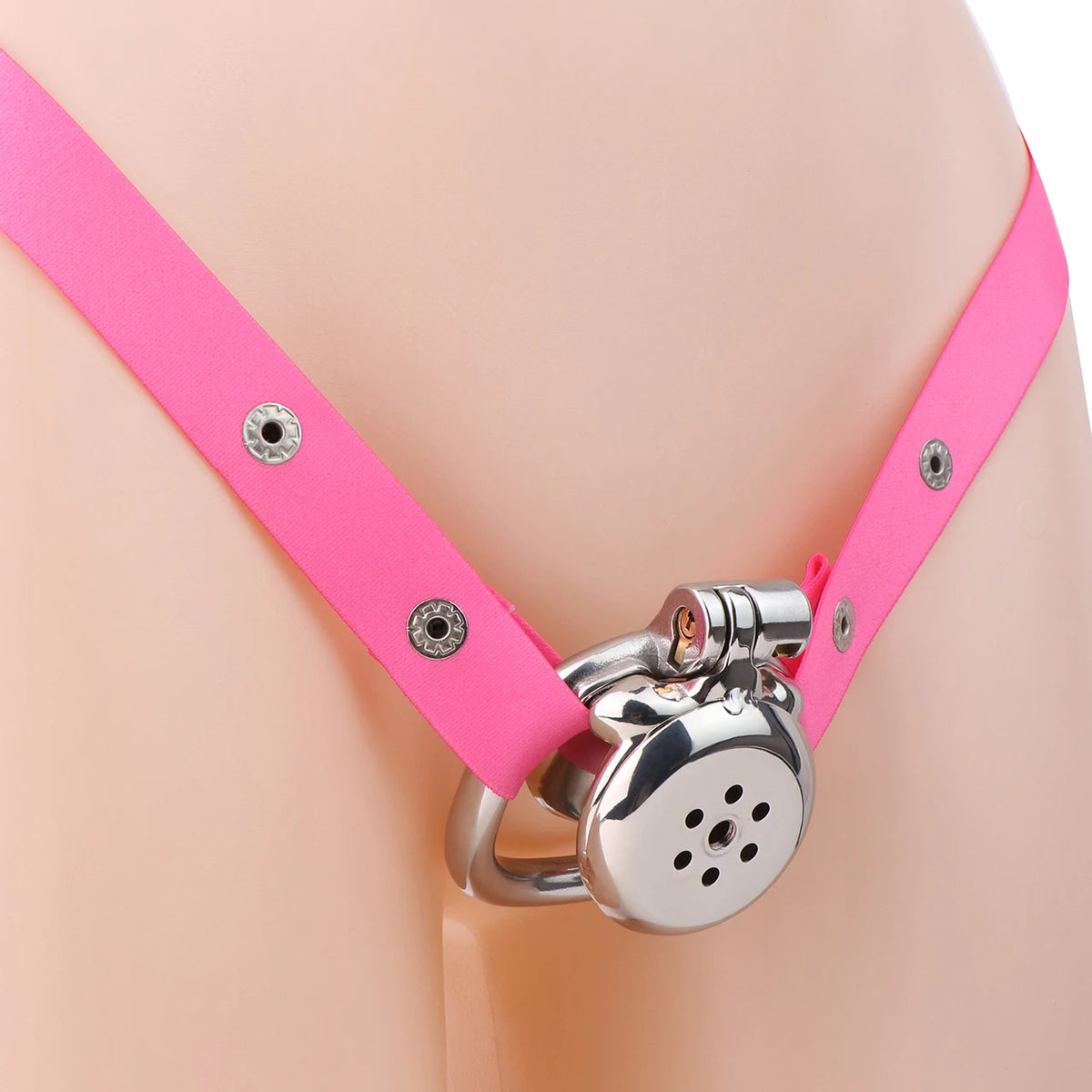
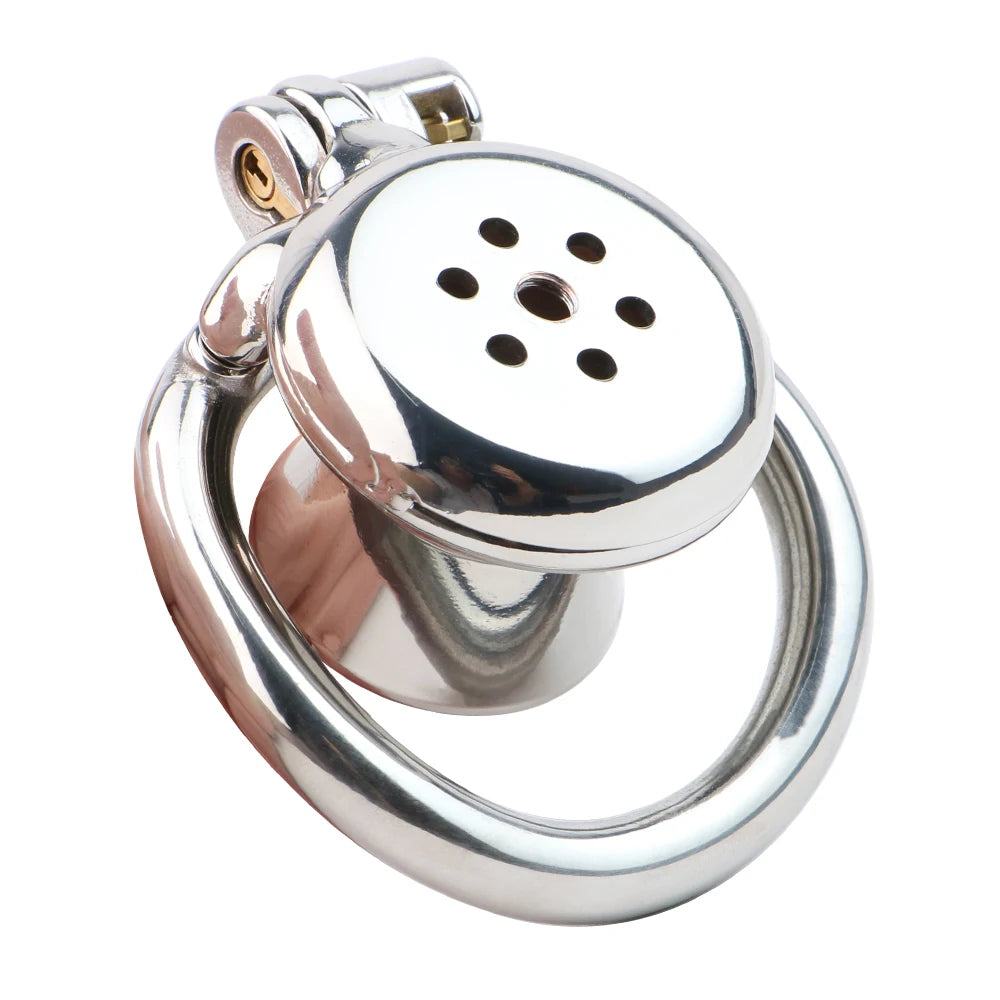
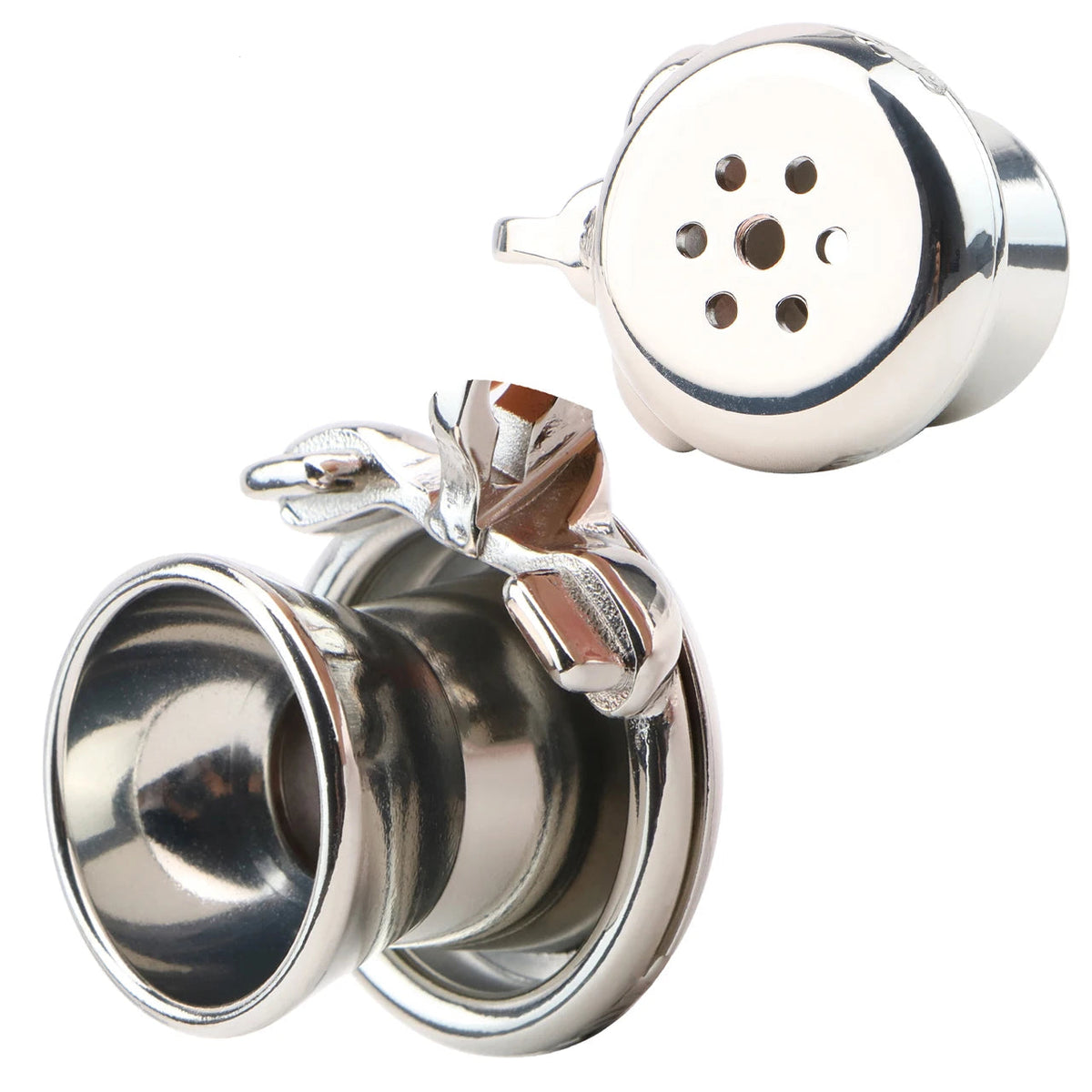
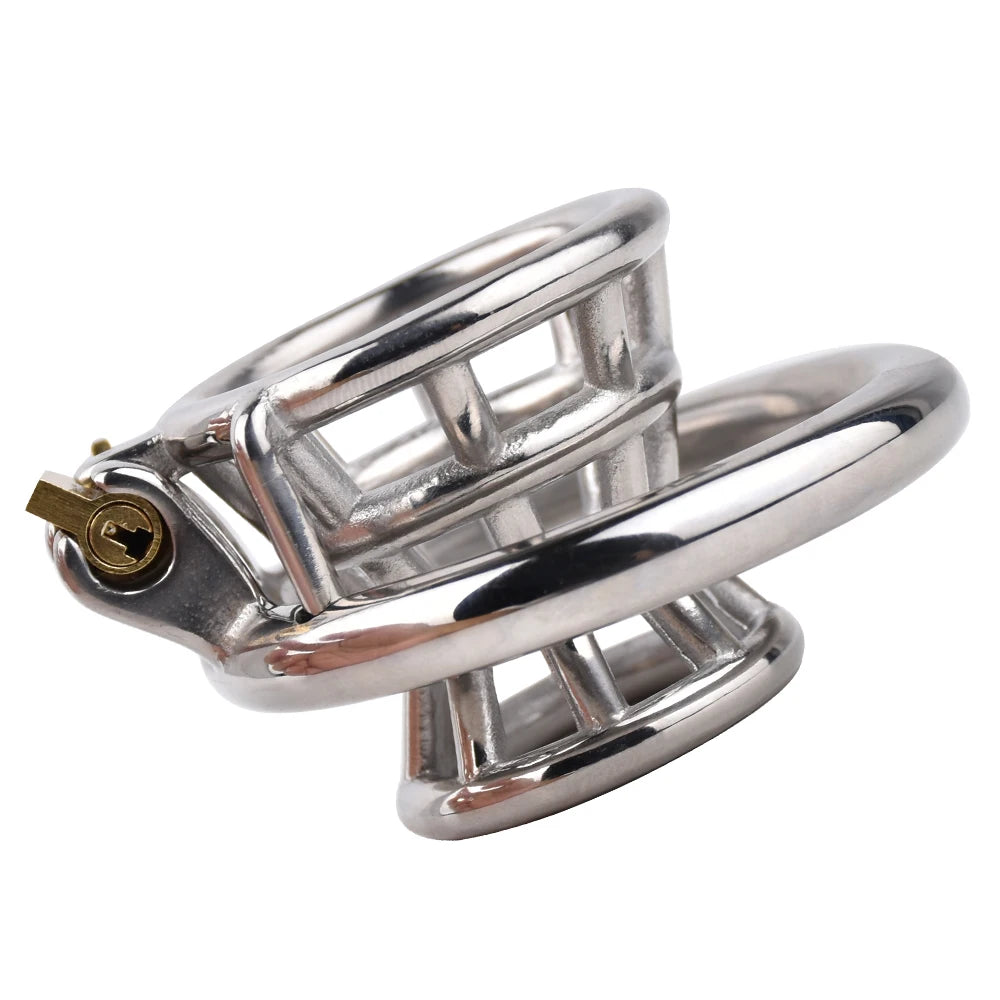
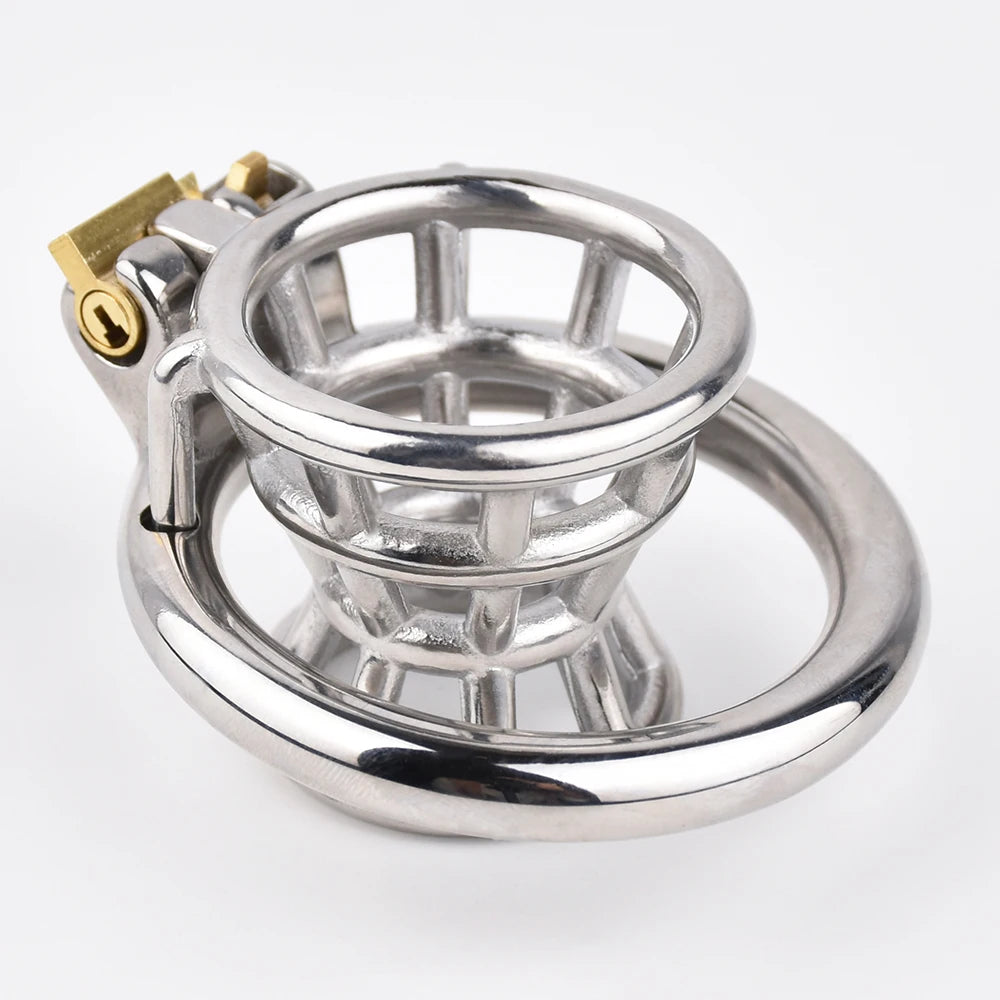
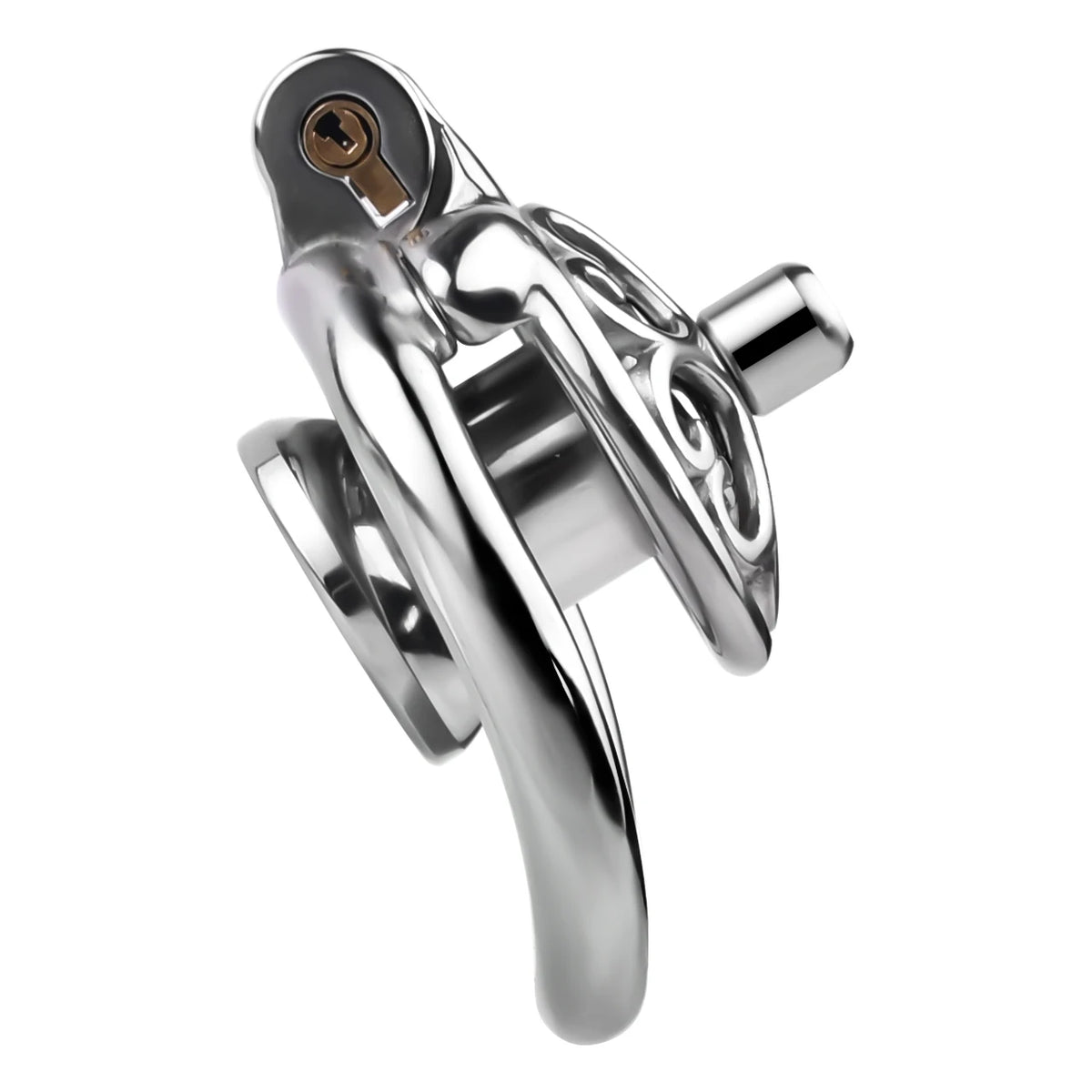
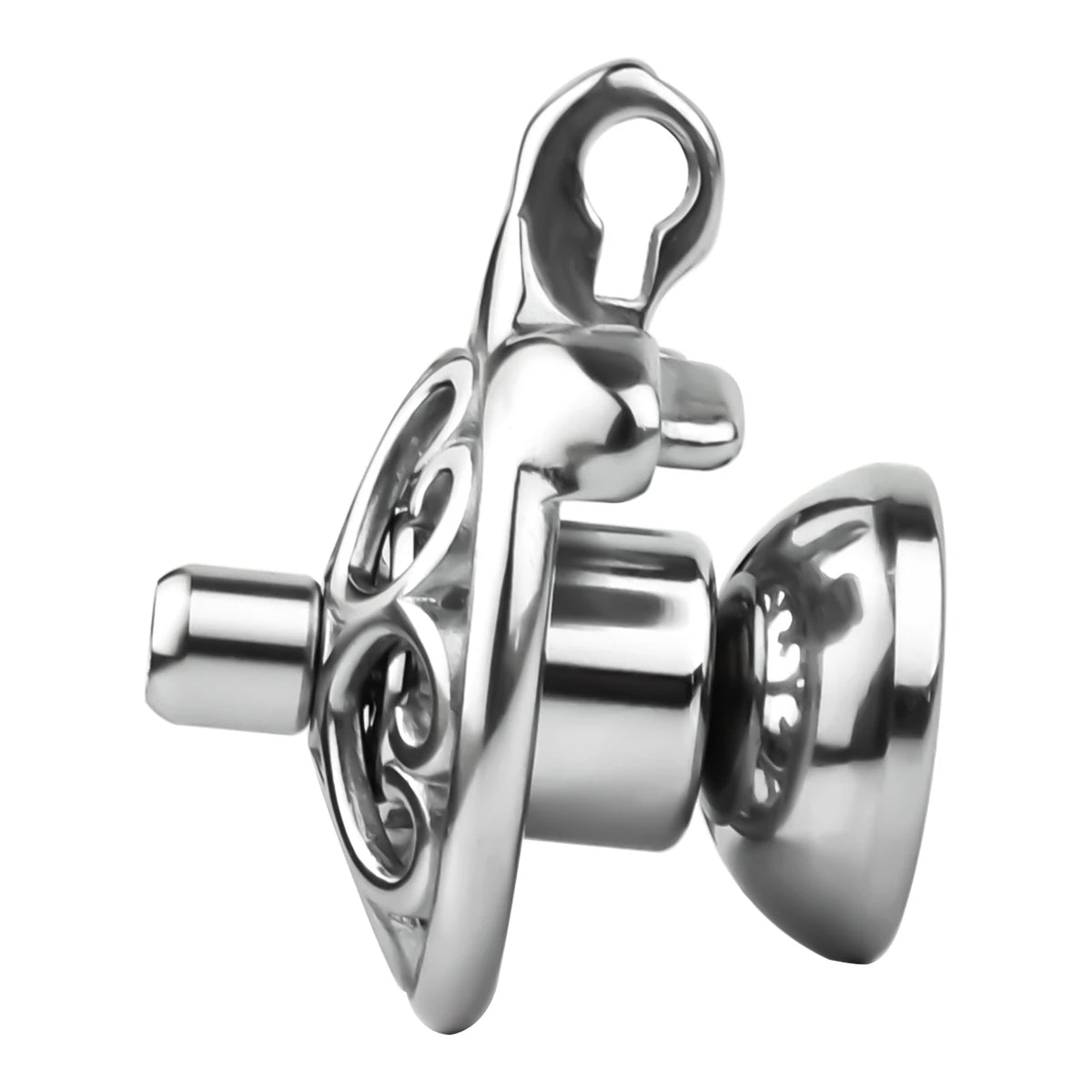
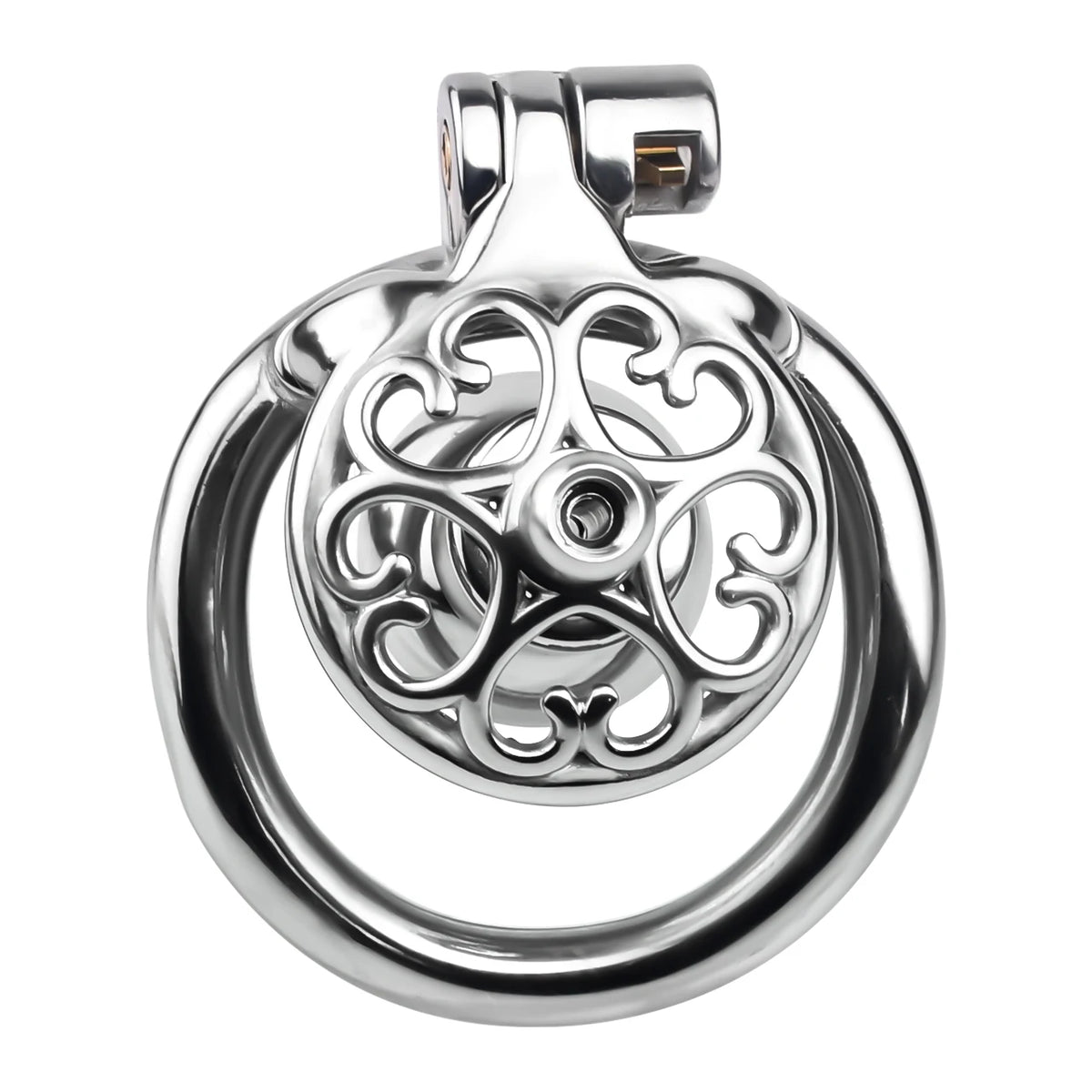
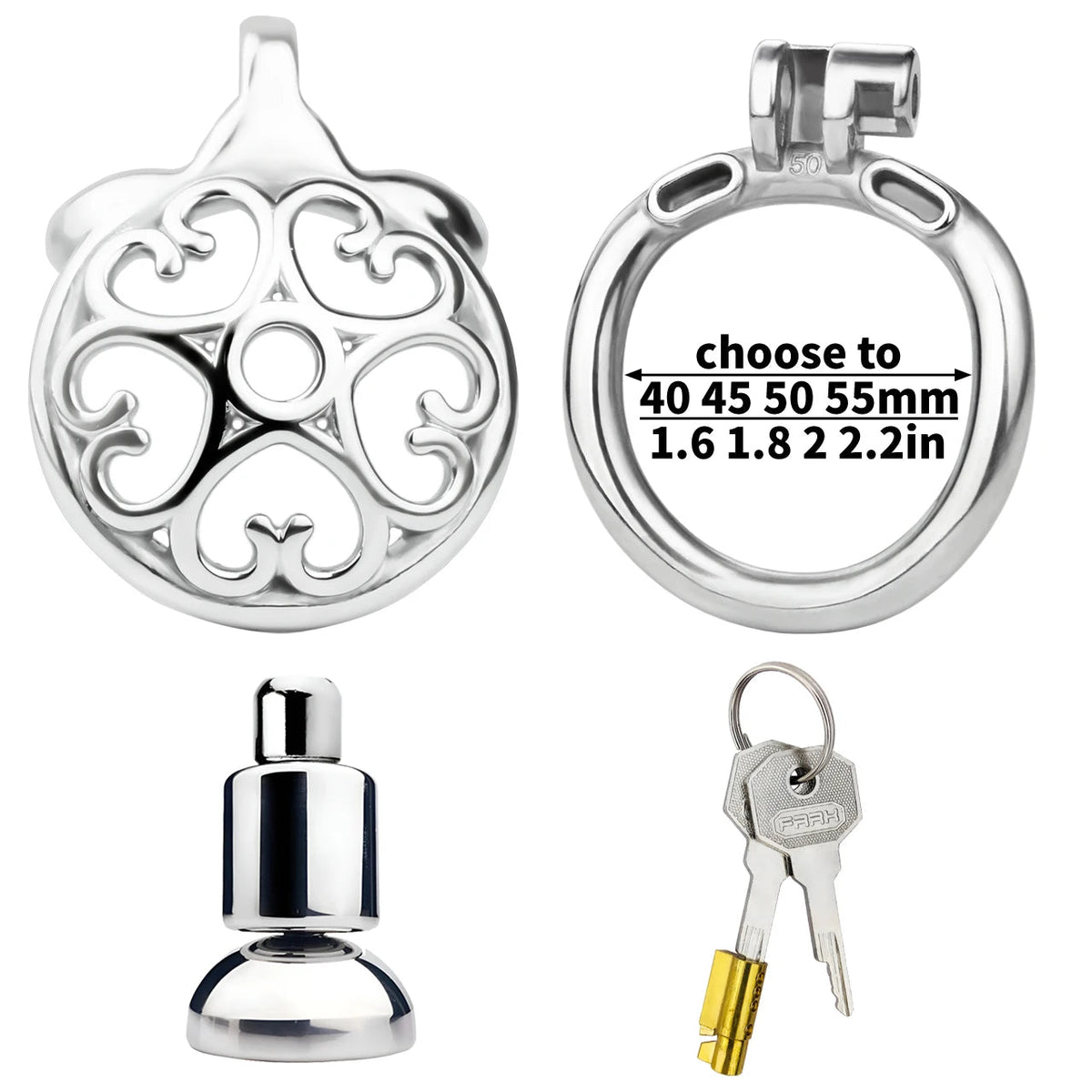
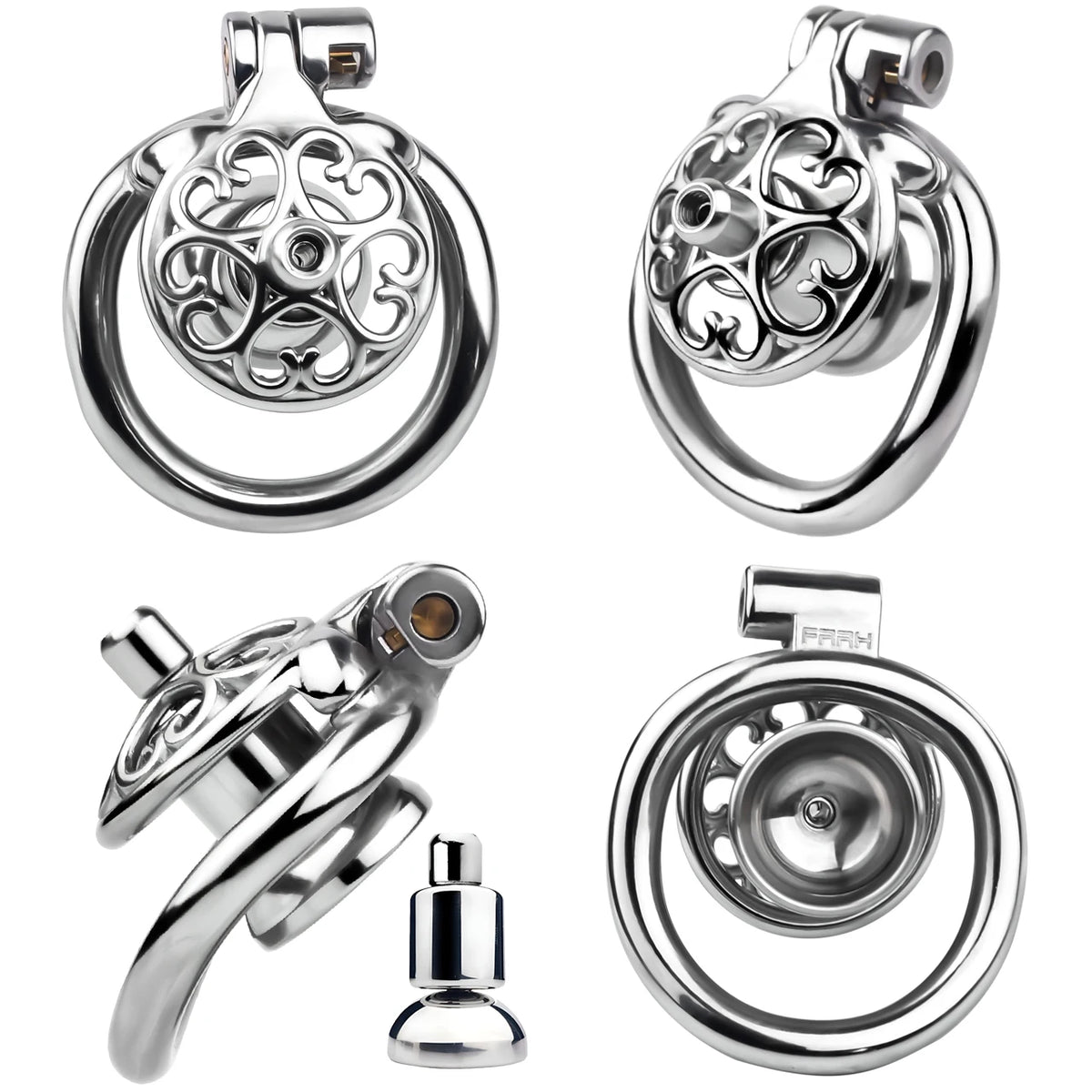
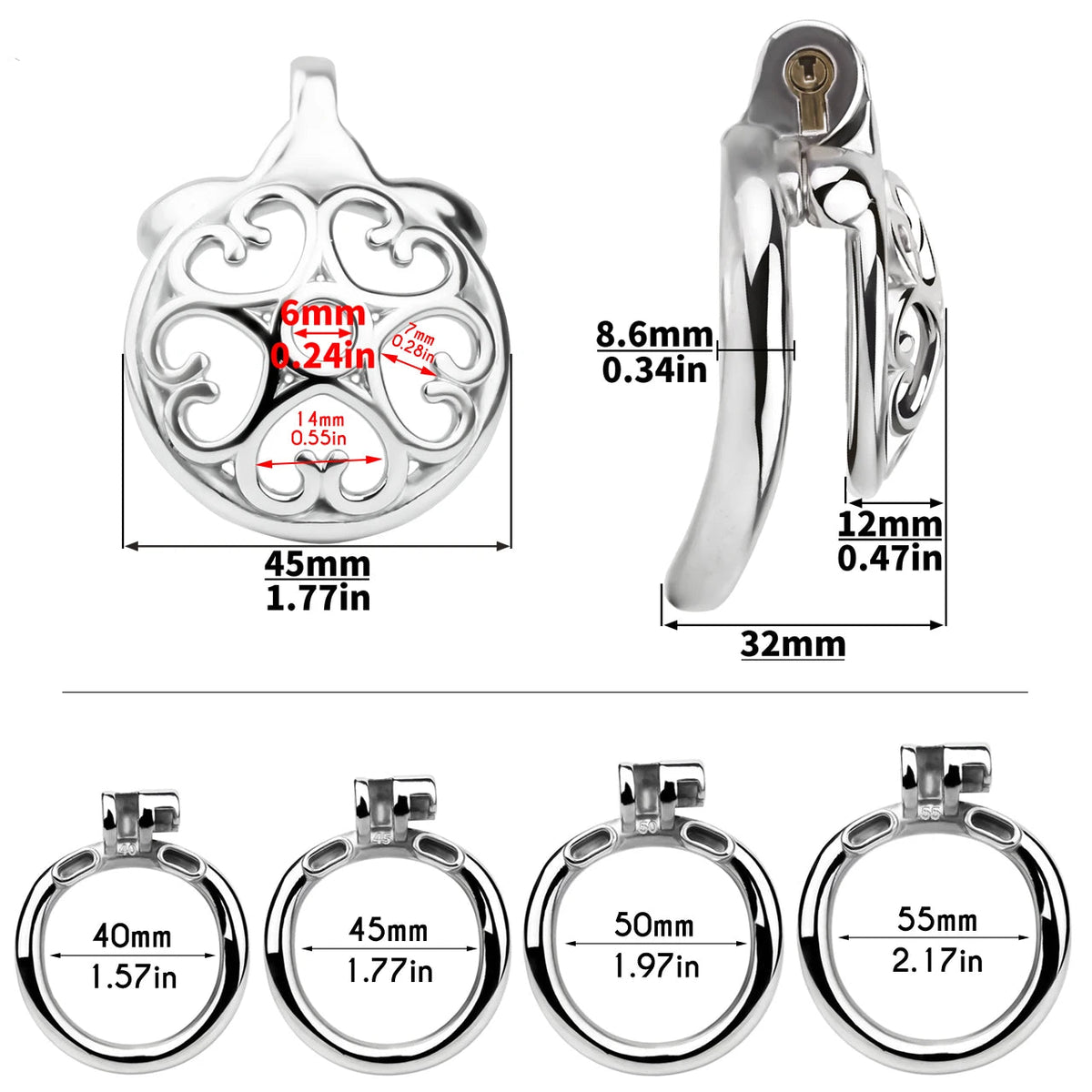
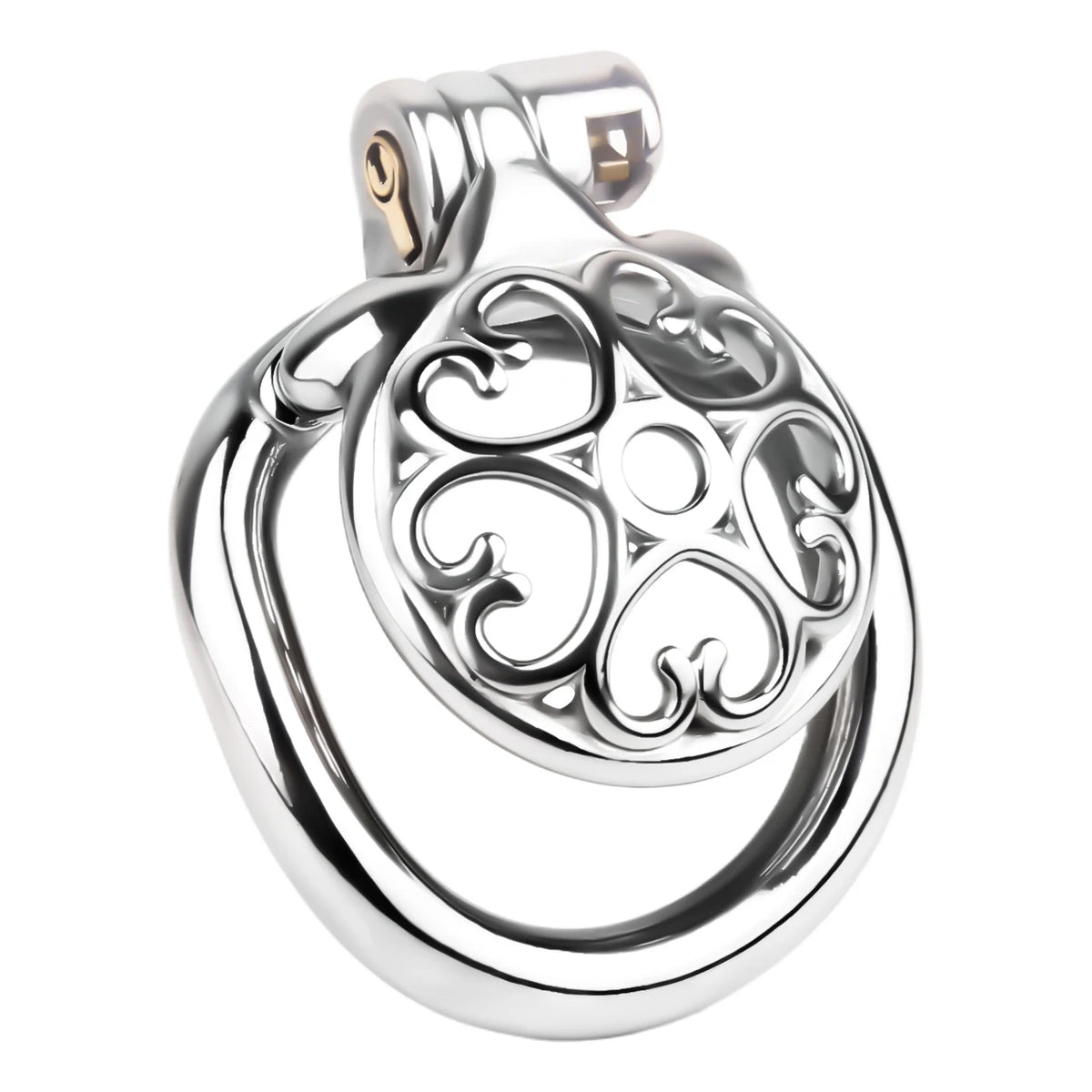
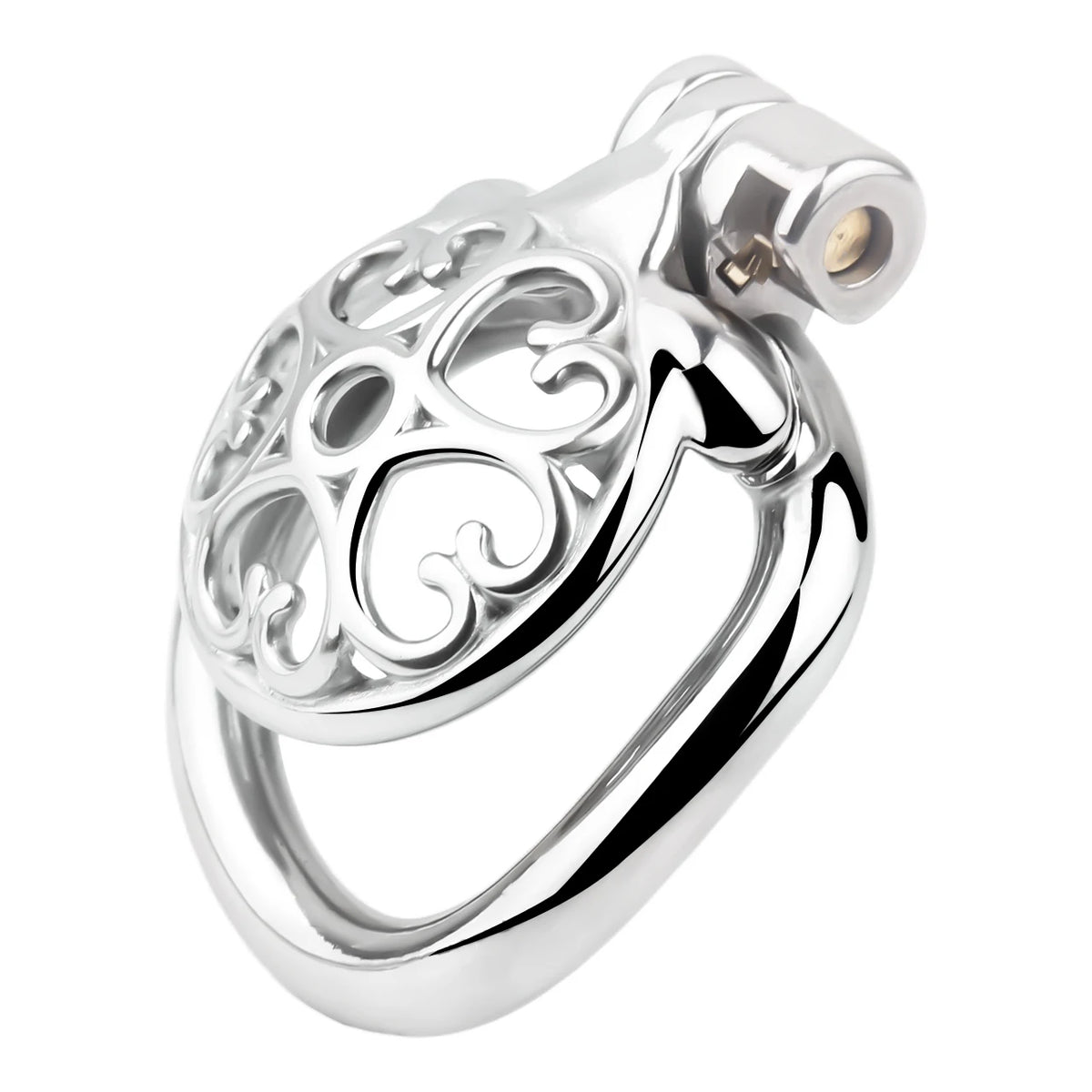
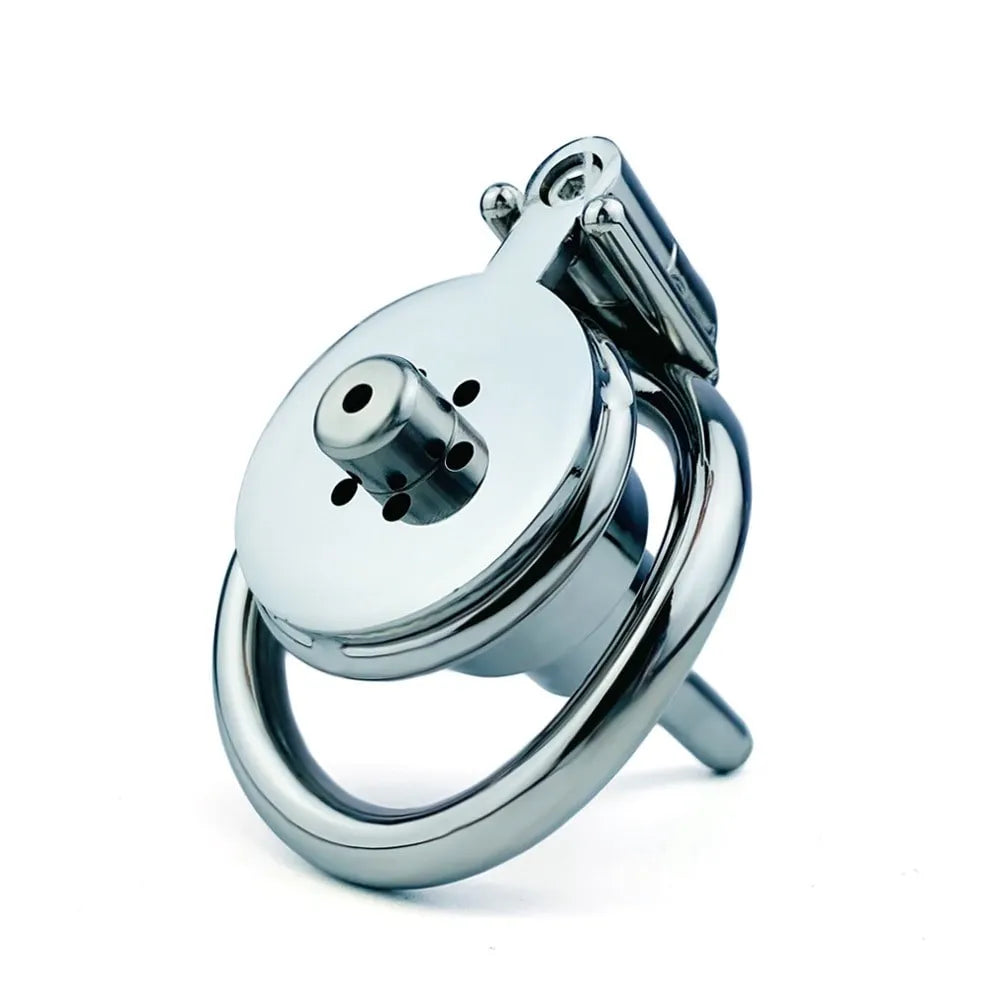
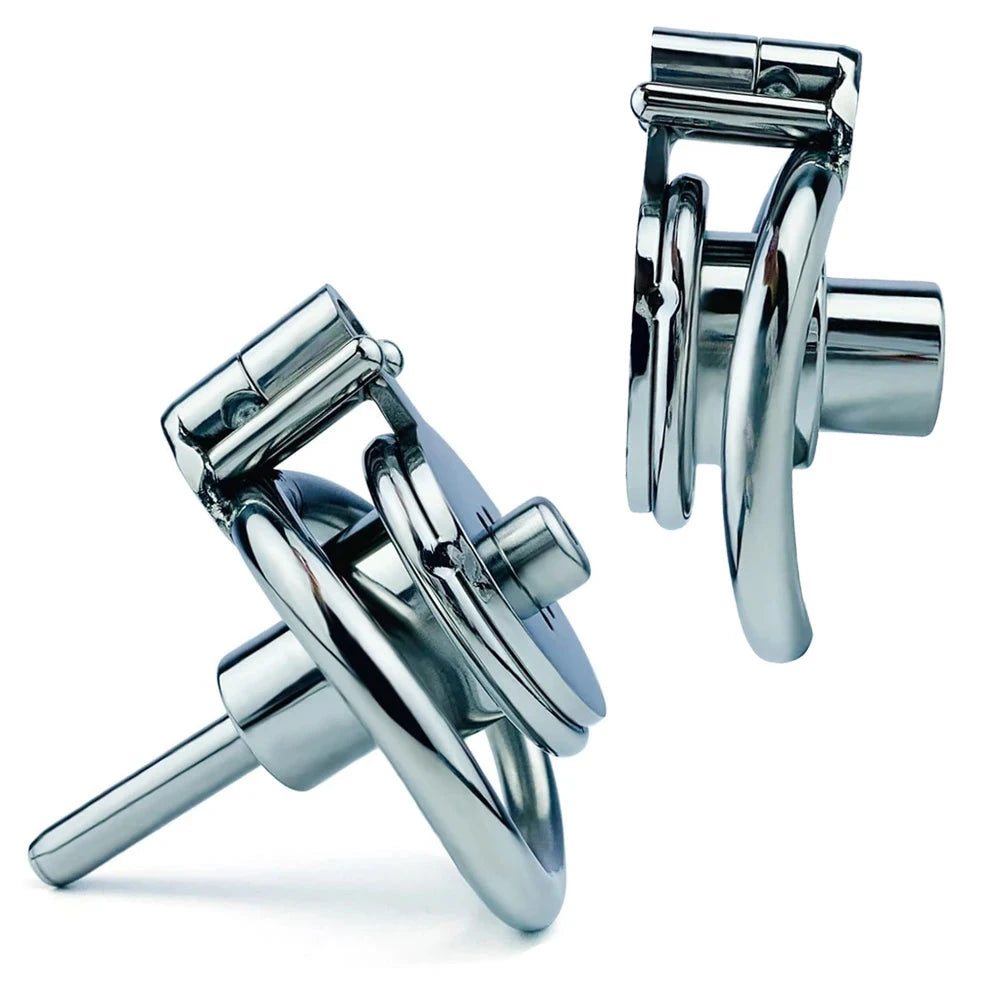
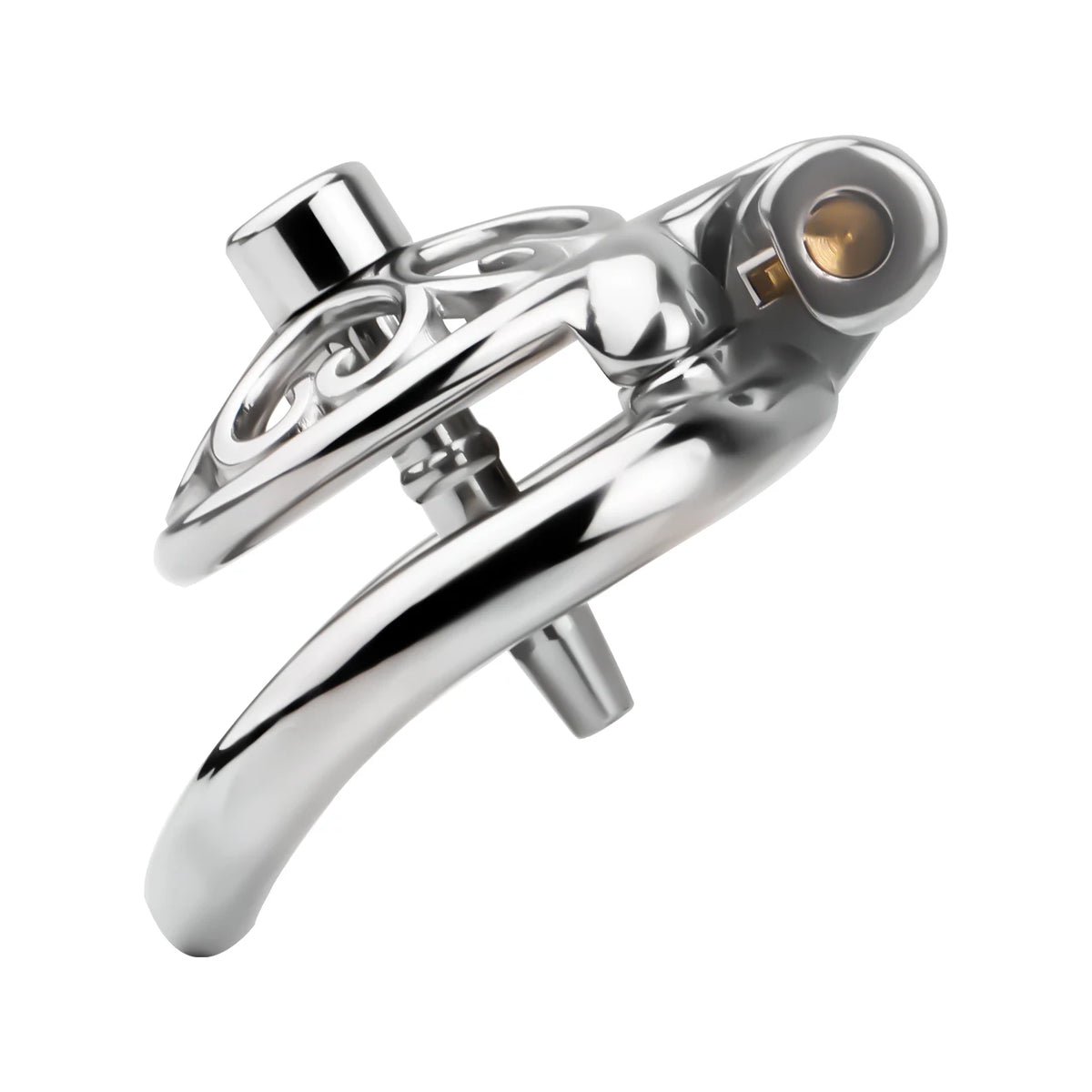
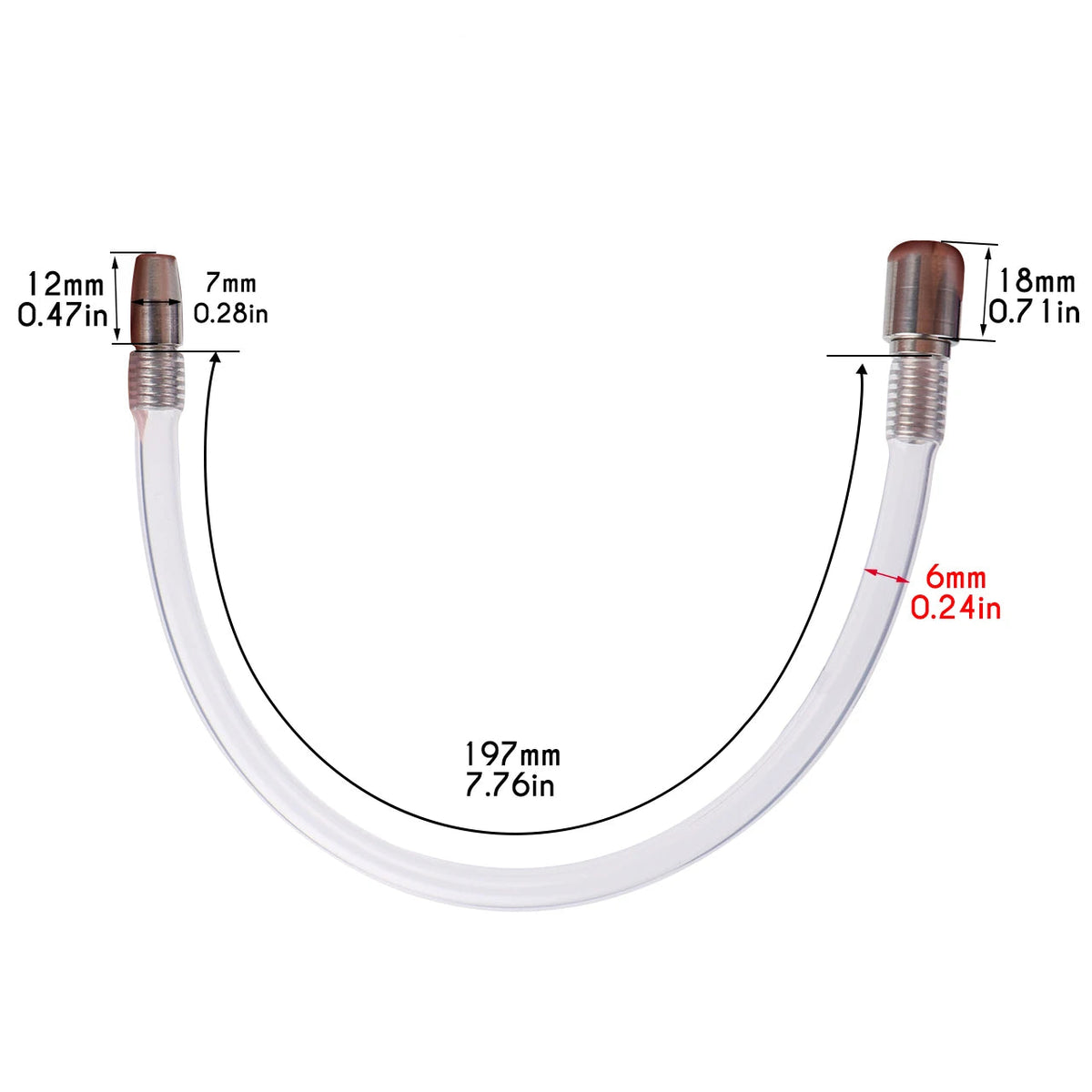
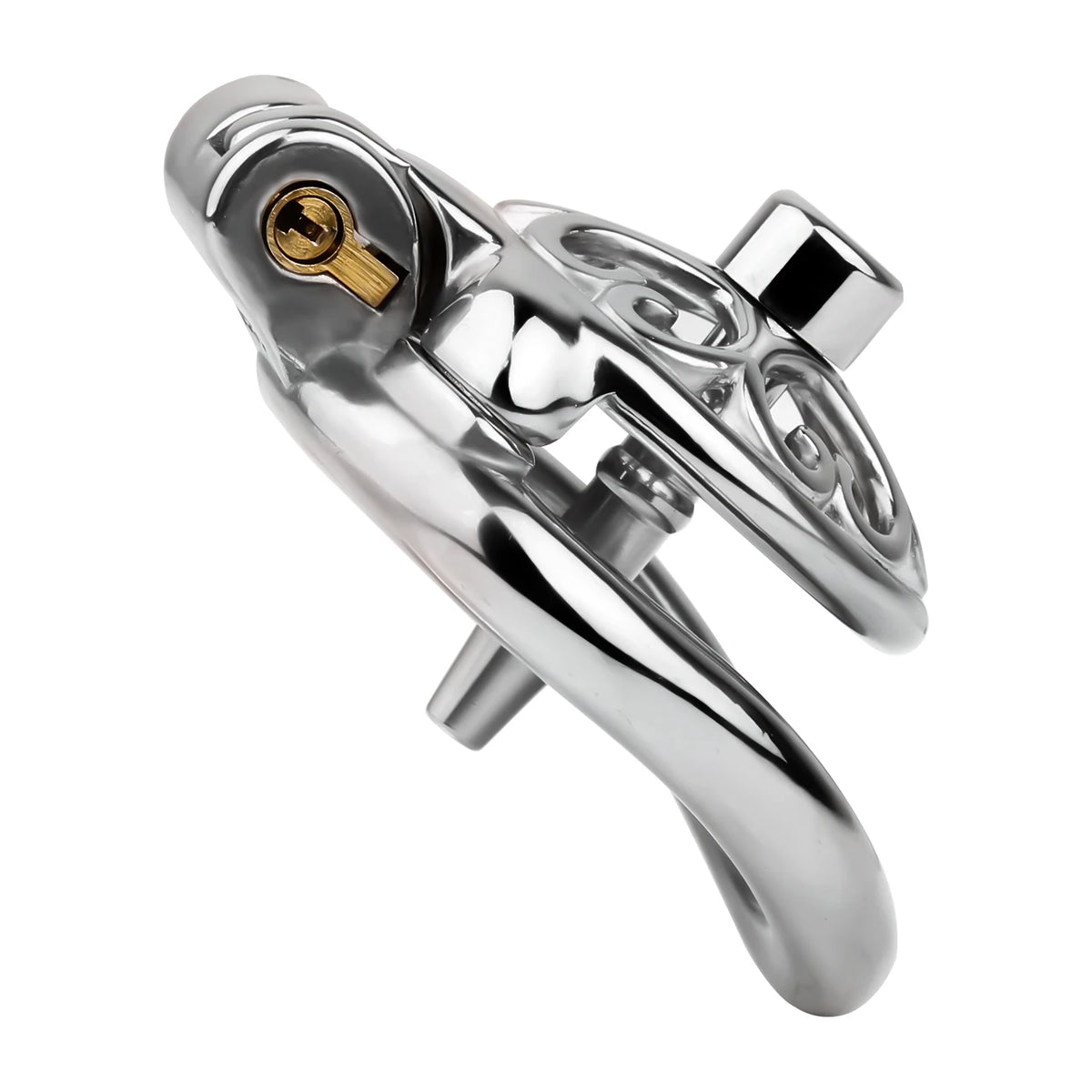
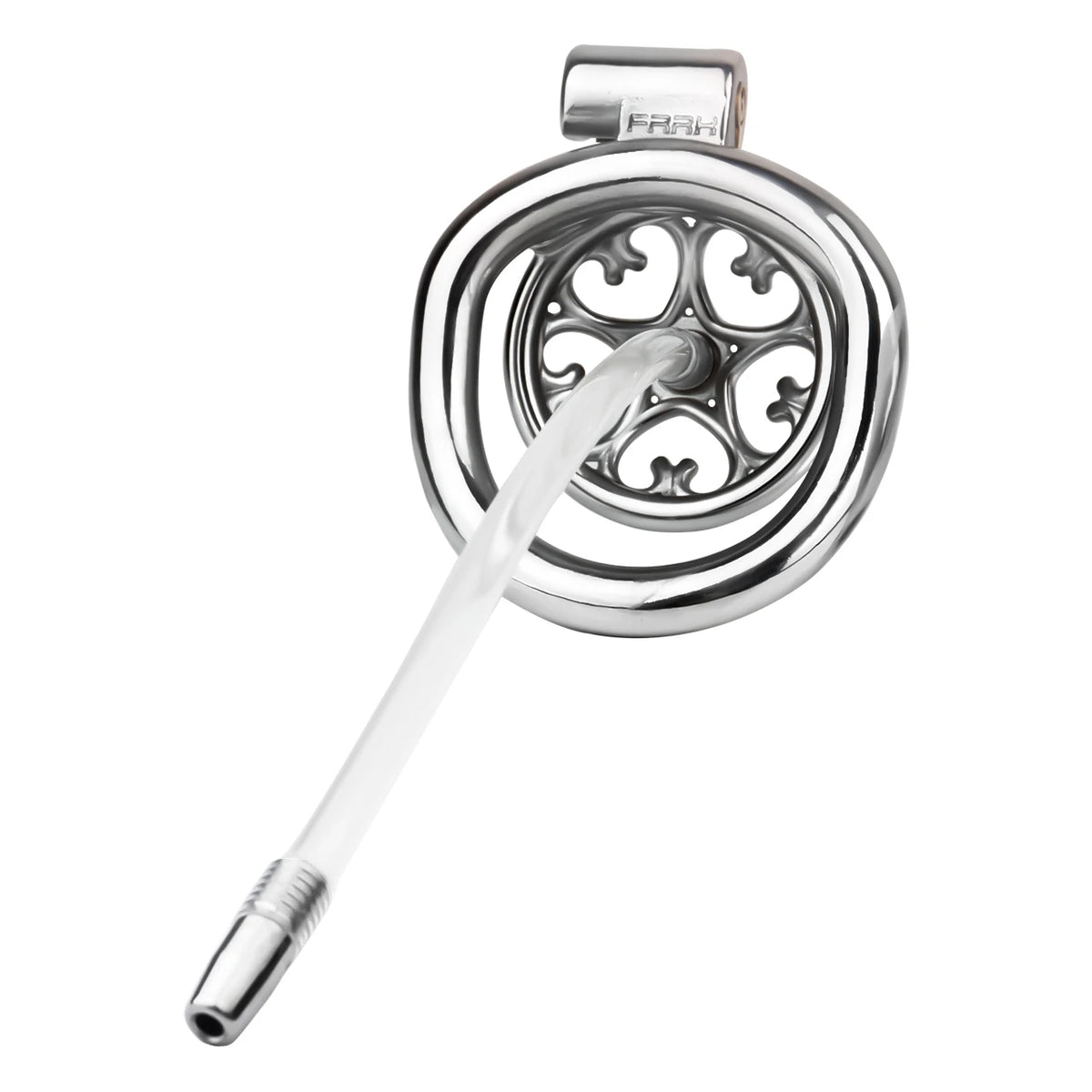
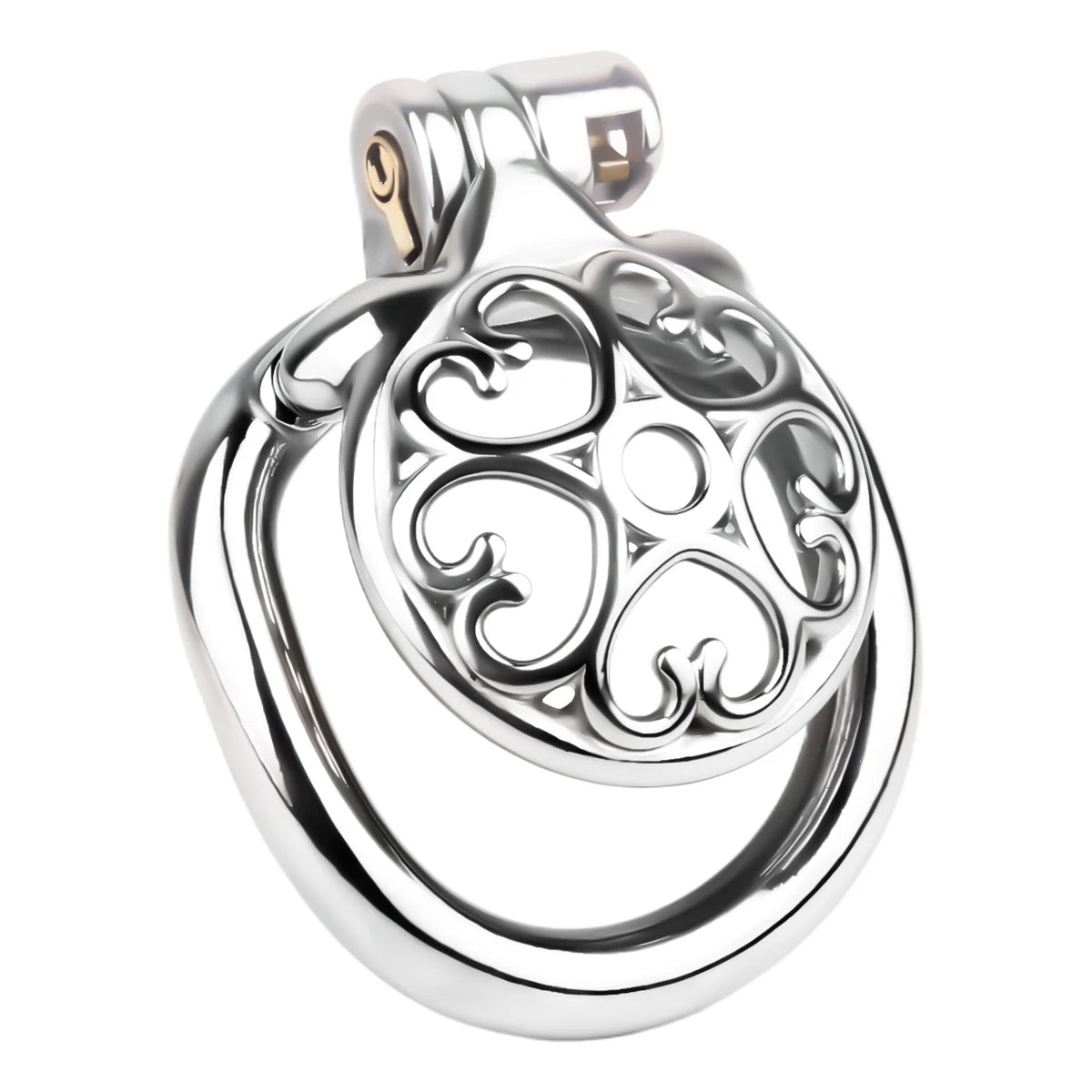
The Prince Albert piercing has found a particular place within BDSM practices, especially in male chastity play. Plaisir & Chasteté offers several Prince Albert metal chastity cages designed to fit it perfectly. These models use the piercing as an anchor point: a pin from the cage passes through the orifice originally created by the piercing and locks the genitals in place even more securely.
This integration gives control a more intimate dimension. Chastity becomes not only mechanical, but also organic: the metal literally penetrates the submissive's body. Note that hygiene and cleaning your chastity cage is even more important for this type of cage.
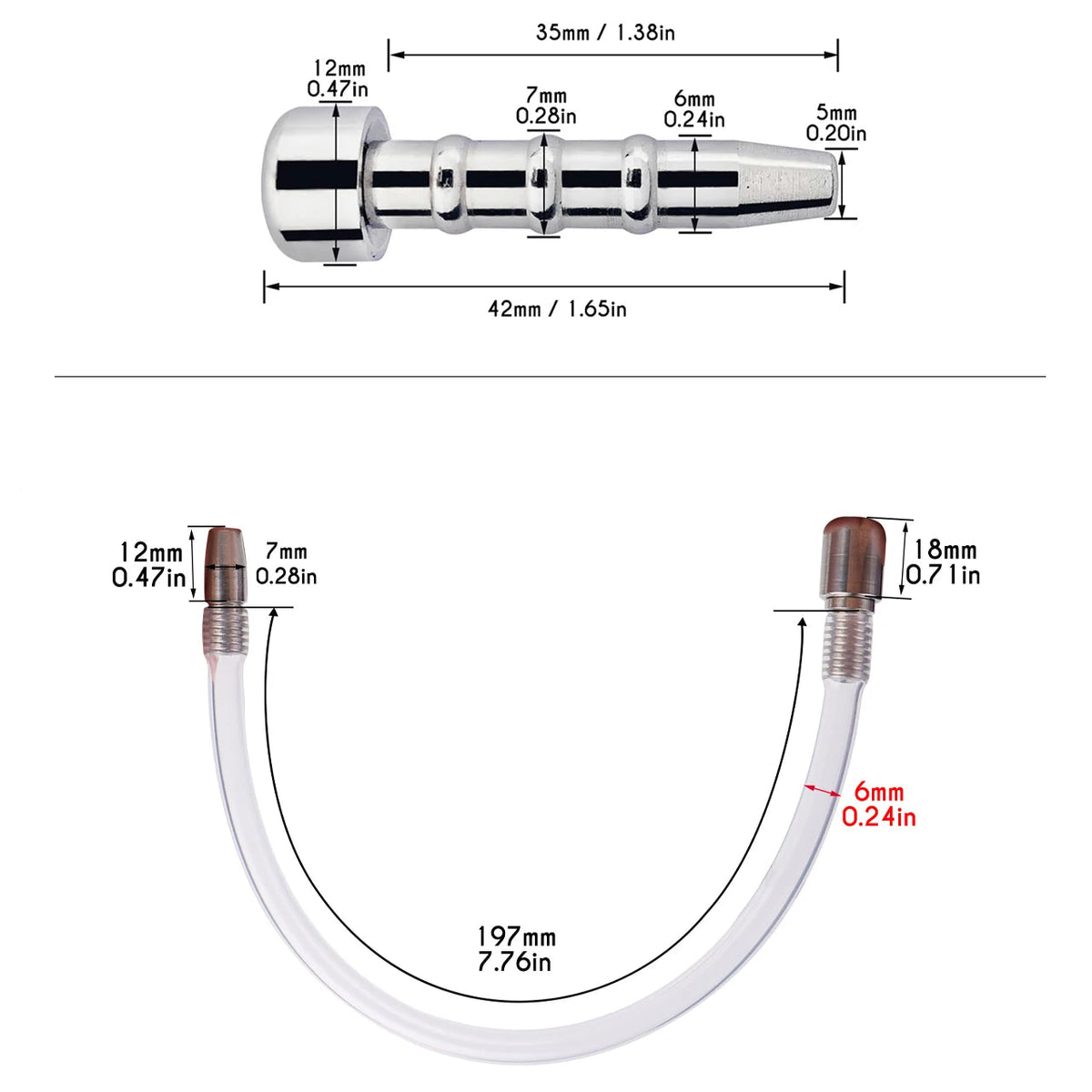
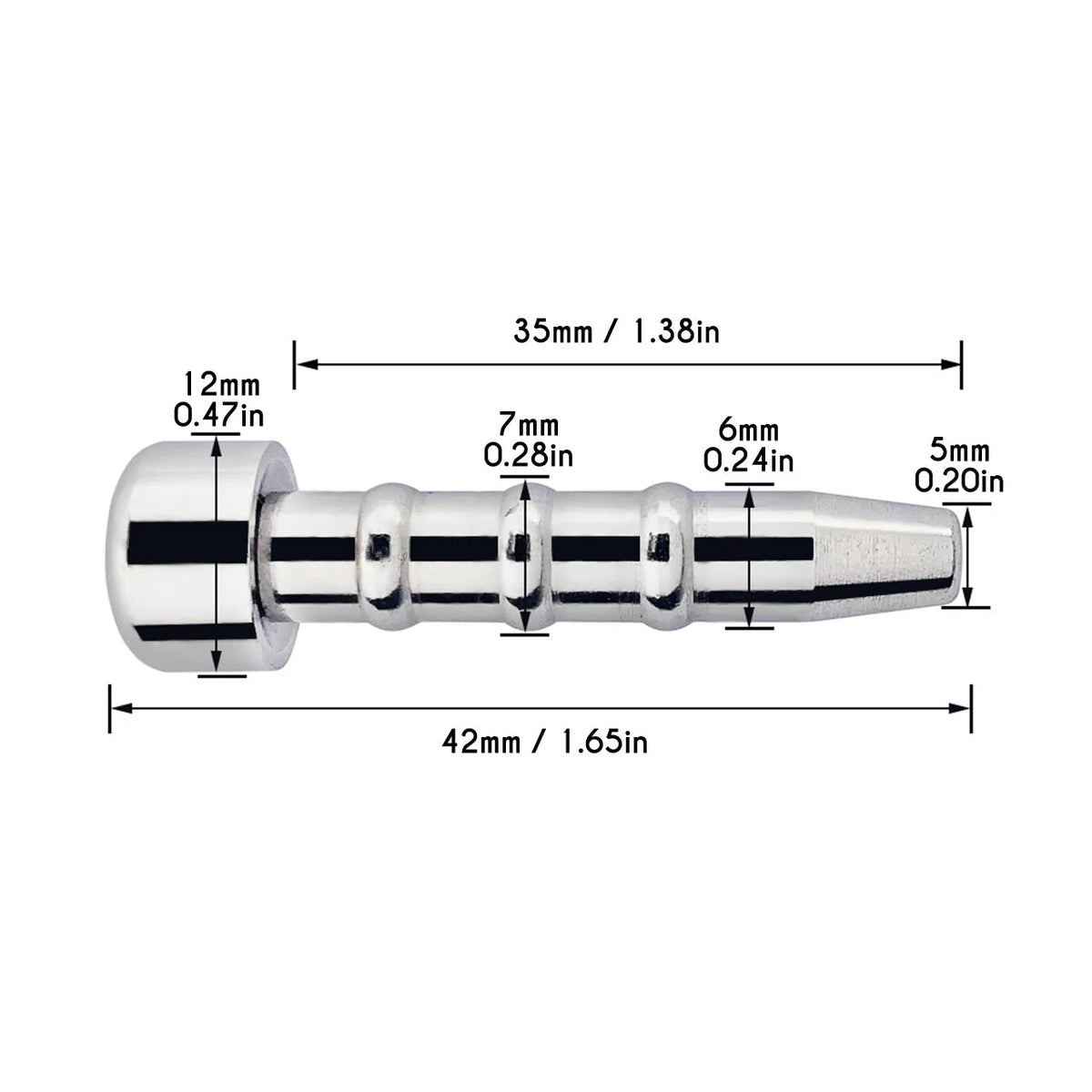
Yes, but with caution. If the piercing is fully healed, it is perfectly possible to insert a urethral sound, provided the diameter is appropriate and force is never used. Many urethral sounds available on Plaisir & Chasteté also offer this compatibility.

In a BDSM context, the Prince Albert piercing becomes a powerful sign: it symbolises the submissive's absolute trust in their partner. The very act of piercing — intimate, irreversible, assumed — expresses a form of belonging.
The initial pain becomes a memory charged with eroticism: it physically anchors the relationship of domination and control. Some Dominants even require their submissive to be pierced in order to wear a Prince Albert cage, as a seal of ownership.
Beyond fetishism, the Prince Albert piercing questions contemporary masculinity. Piercing one's genitals is also an affirmation that pleasure and pain can coexist. It is a refusal of the taboo surrounding the male body, so often reduced to performance. The wearer of a Prince Albert embraces a living body — pierced, traversed, open.
They claim a more sincere relationship with pleasure, less focused on domination than on sensation. It is a paradoxically liberating act: by piercing the penis, one breaks free from the cult of the penis.
This piercing, despite its apparent crudeness, touches on something deeply symbolic: passage, transformation, ritual. As in certain ancient cultures where a man had to endure an initiatory pain to access another form of power, the Prince Albert marks a threshold — that of a conscious relationship with one's own sexuality.
One does not get pierced "by chance." It is done to reclaim a part of the body that society has codified, judged and so often frozen.
The jewellery itself participates in the eroticism. The polished metal ring, the perfect curve of a barbell, the coldness of the material against the skin — all of this becomes an extension of desire. Some choose to keep their jewellery discreet, others display it proudly in intimacy.
And for those who practise chastity, the Prince Albert cage is the ultimate synthesis: at once jewel, lock and extension of the piercing. On Plaisir & Chasteté, these cages are designed to combine aesthetics, ergonomics and safety. The metal moulds to the body, the lock becomes a symbol, and pleasure transforms into the art of control.
The Prince Albert piercing is neither a simple fantasy nor a provocation. It is a commitment. It unites flesh and consciousness, pleasure and mastery, pain and beauty.
Whether worn for pleasure, for aesthetics or within a BDSM dynamic, it says something essential about the one who chooses it: the will to explore one's body without fear, to push back the boundary between what arouses and what frightens.
The Prince Albert is not jewellery like any other — it is a signature. A mark of courage, curiosity, and often, erotic surrender.
The Prince Albert piercing passes through the tip of the urethra and exits beneath the glans. A ring or curved barbell is inserted to maintain the opening. It is performed by a professional piercer, using sterile equipment and medical-grade jewellery (titanium or surgical steel).
The name comes from a Victorian legend according to which Prince Albert, husband of Queen Victoria, reportedly wore this piercing to keep the penis in place under very tight-fitting clothing. No formal historical evidence exists, but the name has endured.
The pain is brief but intense at the moment of piercing. Sensitivity decreases quickly after the procedure. Healing takes an average of 4 to 8 weeks (sometimes longer), provided strict hygiene is maintained, sexual activity is avoided initially, and the piercer's aftercare instructions are followed.
The jewellery can increase urethral stimulation and alter the partner's sensations depending on the shape (ring, banana barbell) and positions. The main risks are infection and irritation, and more rarely, tearing if the jewellery is pulled. These risks are reduced with suitable jewellery, water-based lubricants and clear communication with one's partner.
Yes, after complete healing. Prince Albert chastity cages use the piercing orifice as an anchor point for more secure locking. The use of urethral sounds or plugs remains possible if the diameter is appropriate and adequate lubrication is applied. On Plaisir & Chasteté, the Prince Albert models and compatible plugs are designed with this use in mind.
At Plaisir & Chasteté, we provide you with all our expertise to offer you chastity cages that meet all needs, desires, and fantasies.